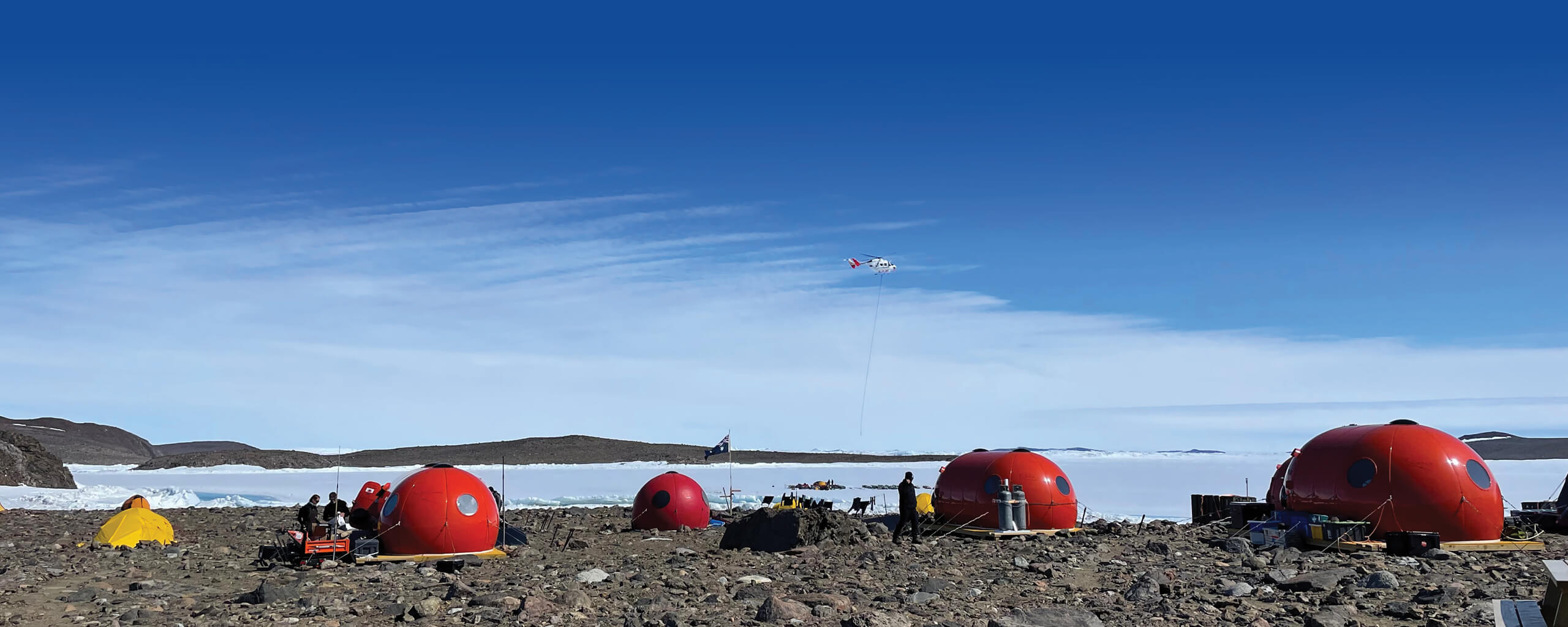
Studying Antarctica’s Ice and Coastal Environments
Much of Antarctica’s scientific research takes place directly on the ice. Across glaciers, sea ice and coastal environments, field teams collect the observations that reveal how the ice sheet moves and changes, and how it connects to the ocean, atmosphere, and ecosystems.
Direct observations on the ice provide a view of processes that are central to Antarctica’s future. These measurements help scientists track the movement and stability of ice, monitor seasonal change along the coast, and uncover clues to Antarctica’s past.
Together, they build a clearer picture of how the continent connects to the ocean, atmosphere, and life around it.
Measuring Ice in Motion
Antarctica’s ice is always moving.
Glaciers flow slowly toward the coast, ice shelves flex and fracture, and snowfall, surface melt and wind-driven snow continually reshape the ice sheet.
Measuring these changes is essential for understanding how Antarctica responds to shifts in air and ocean temperature, stability of the ice sheet, and what this may mean for future sea-level rise and ocean circulation.
Scientists track this movement in many ways, measuring ice thickness, surface elevation, accumulation, melt, and the speed and direction of ice flow. These observations show where mass is being gained or lost, how quickly ice is moving, and where glaciers and ice shelves are becoming less stable.
Research at the Coastal Margin
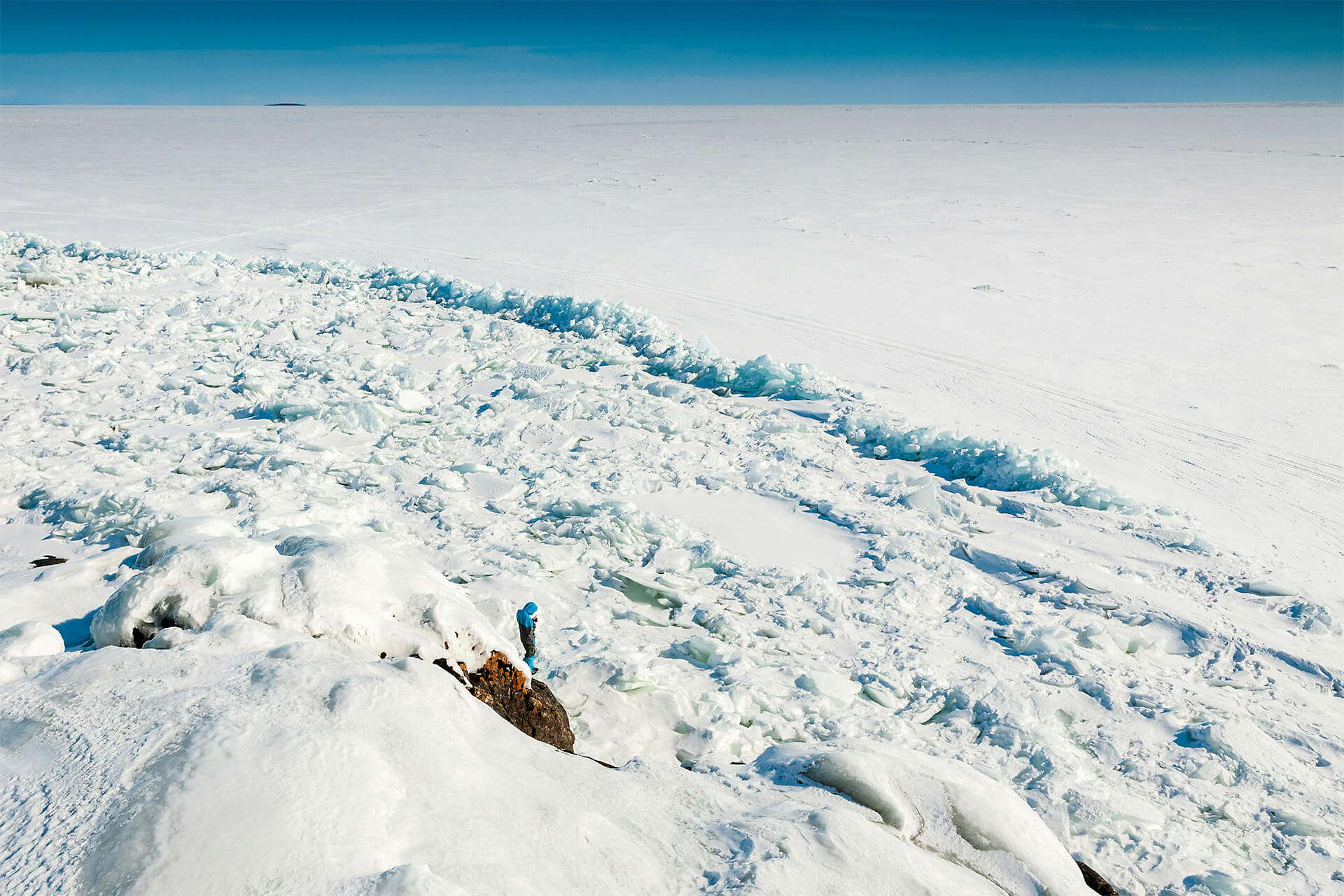
Coastal areas where the ice sheet, sea ice and ocean interact are among Antarctica’s most dynamic environments.
In coastal Antarctica, scientists study how sea ice forms, drifts and melts through the year, and how these changes affect nearby ice shelves, ocean circulation and marine ecosystems. Sea ice is more than a floating cover – it shapes light, habitat and seasonal access to food, influencing life from algae growing within the ice to the birds and mammals that depend on coastal waters.
Sea ice can also act as a research platform. Working from its surface, scientists collect samples, drill through the ice, and use hyperspectral imaging to study both the structure of the ice and the biological communities growing within it.
Field teams may also work from boats, small and large to deploy cameras or sensors into the water below. These observations help scientists understand the seasonal cycles that shape Antarctica’s coastal environment, and the close connections between sea ice, the ocean, and life at the edge of the continent.
Instruments That Stay Behind
In Antarctica, observations often continue long after the field season ends.
Many Antarctic projects rely on instruments that remain in place for months or years, continuing to observe through darkness, storms and winter isolation. These may include automatic weather stations, GPS receivers, cameras, and other sensors that track changing conditions on the ice, at the coast, and in the nearby ocean.
These systems build the long-term records that make Antarctic change visible over time. In more remote locations, installing or servicing these instruments is a major operation, requiring long-distance traverses and large field efforts to move heavy equipment across the ice.
Ice Cores and Climate History
Some of Antarctica’s oldest records are stored in the ice itself.
By drilling deep into the ice sheet, scientists recover cylindrical cores made up of snow that fell year after year and gradually compressed into ice. These layers contain tiny bubbles of ancient air, as well as traces of dust, ash and other materials carried through the atmosphere at the time.
By analysing these layers, researchers can reconstruct past temperature, atmospheric composition, volcanic eruptions and other long-term environmental changes. Some Antarctic ice cores extend back hundreds of thousands of years, making them among the most important archives of Earth’s climate history.
Wildlife Observations
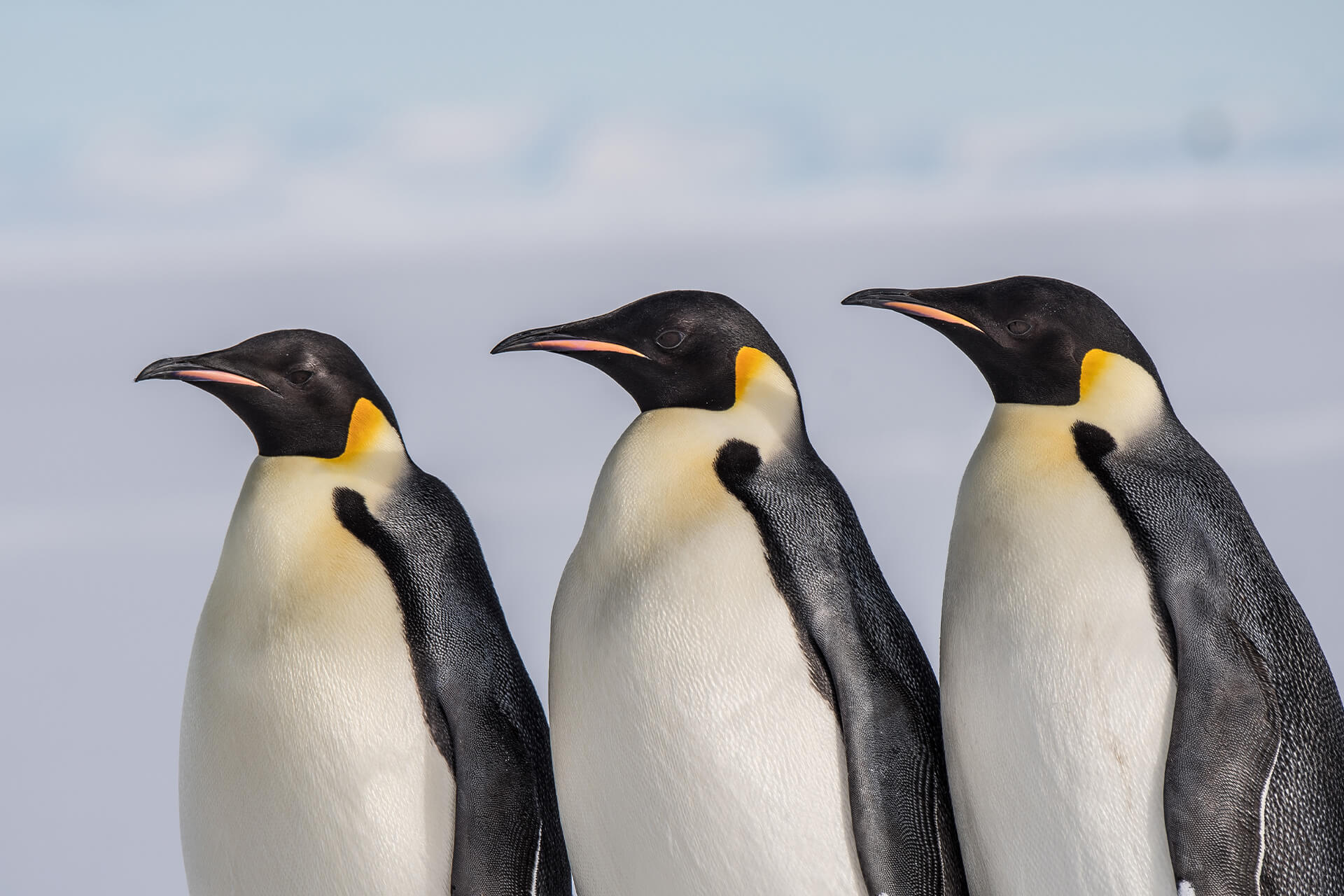
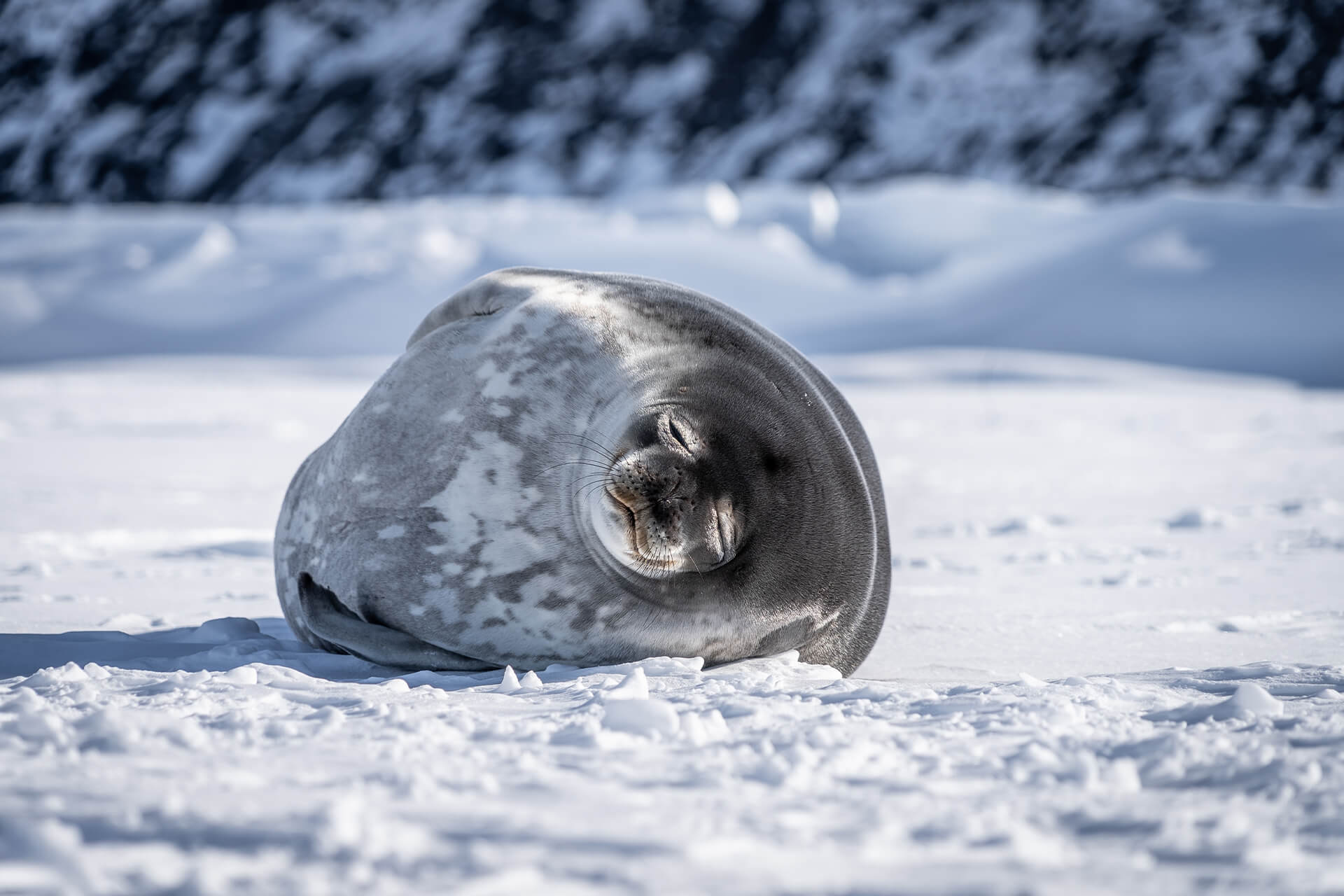
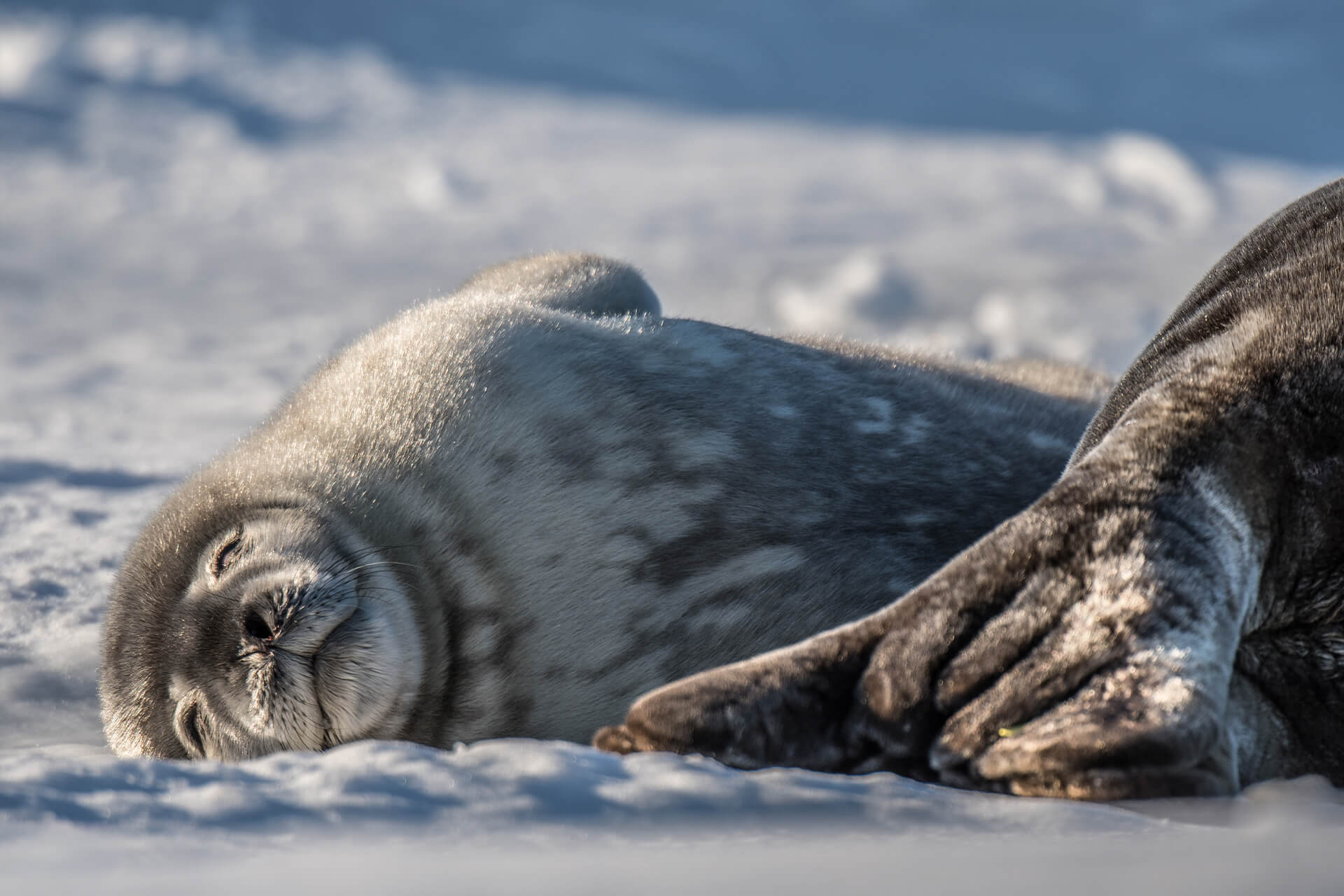
Sea ice and coastal ice shape where Antarctic wildlife lives, breeds and feeds.
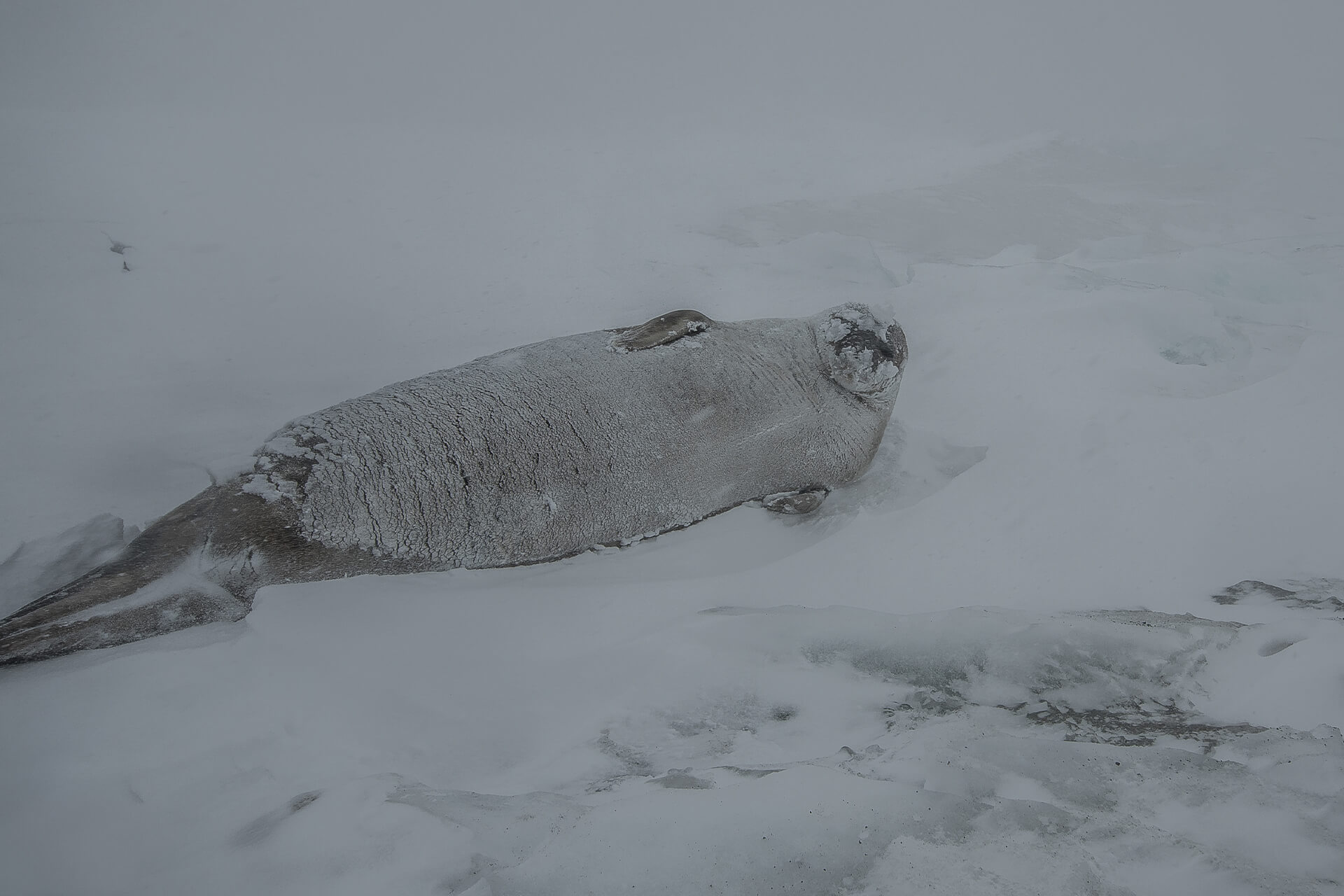
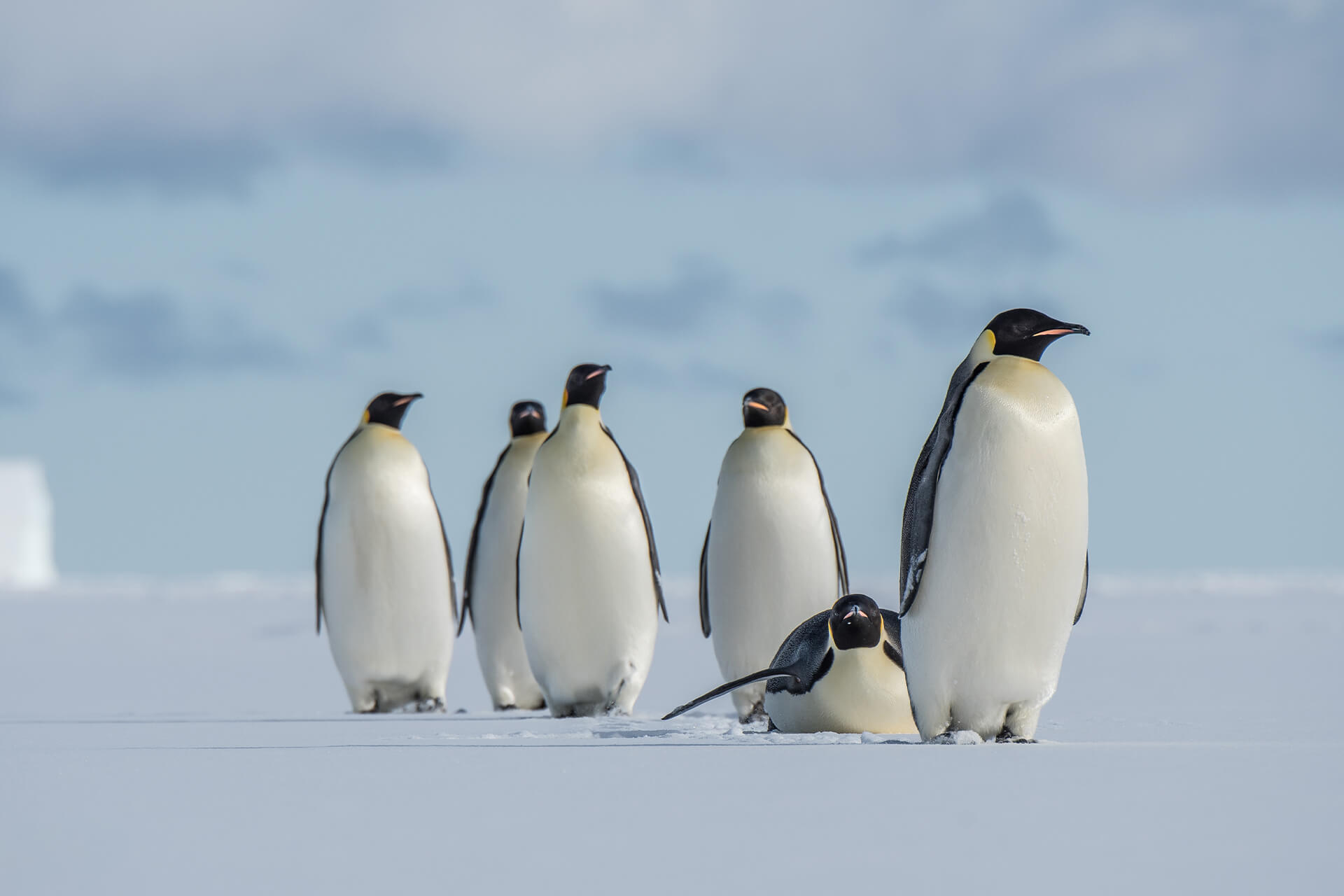
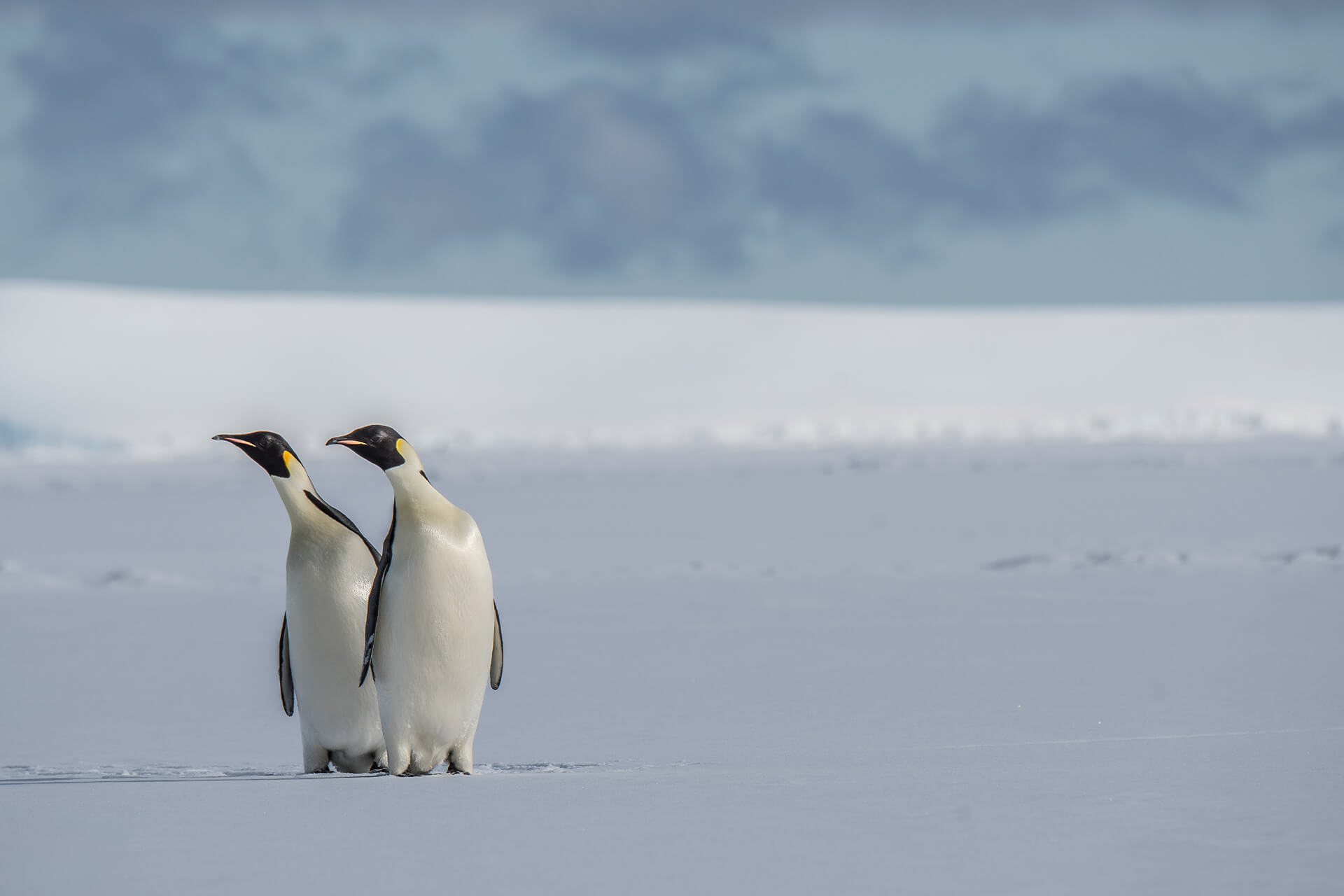
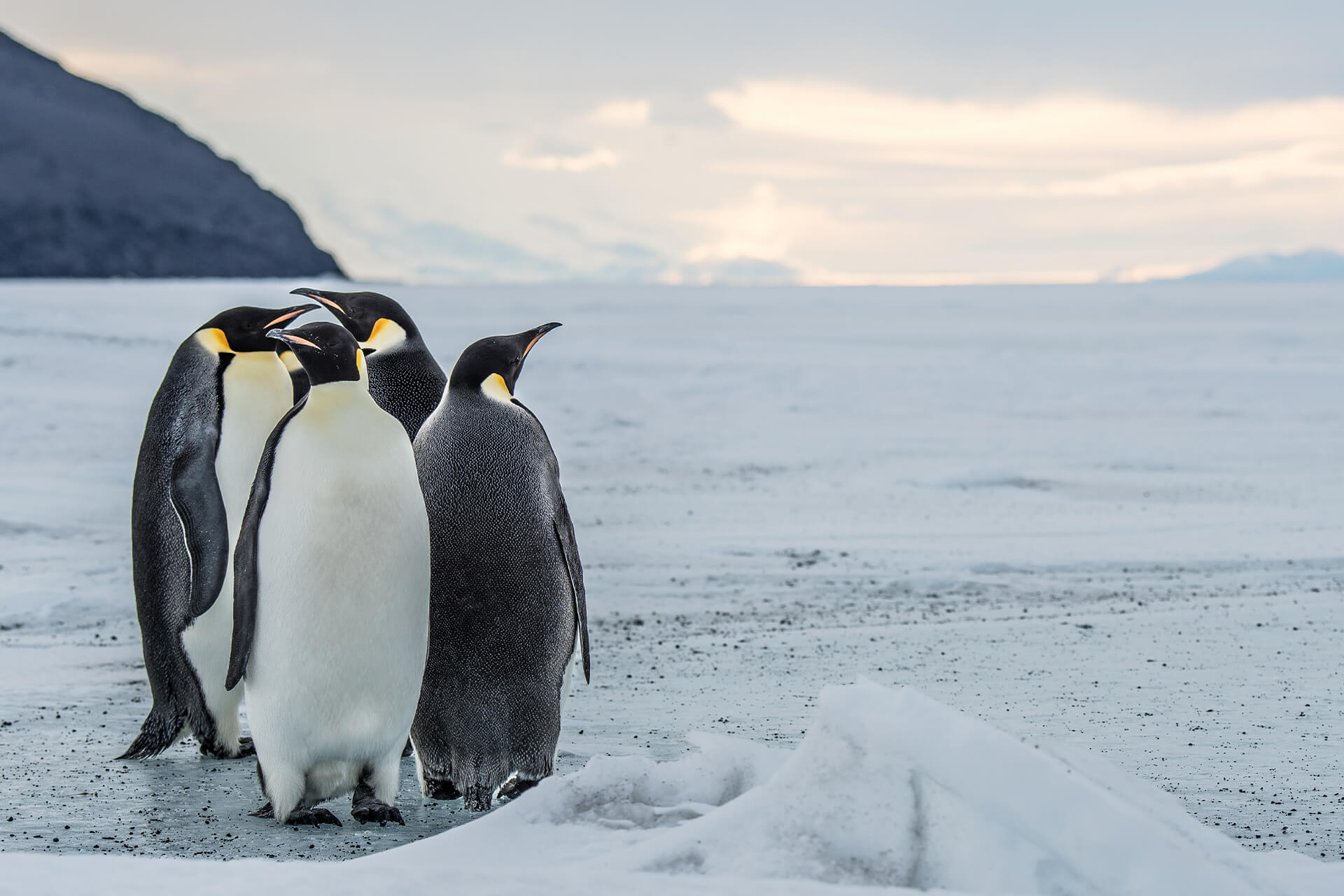
In coastal Antarctica, researchers study penguin and seabird colonies, monitor seal populations, and track how animals use the sea ice and nearby ocean through the year. These observations help scientists understand breeding success, movement, foraging behaviour, diet and population change, and how they are influenced by sea ice, prey availability and shifting environmental conditions.
Field teams may count animals at colonies, tag individuals, deploy cameras, or use drones and tracking devices to follow movements between the coast, the sea ice and the surrounding ocean. This work helps scientists understand how closely Antarctic wildlife is tied to the changing structure and seasonality of the ice.
CHOOSE YOUR PATH
Research under the ice
Beneath Antarctica’s floating ice shelves lies a hidden ocean environment that is extremely difficult to access and only beginning to be explored.