Into the deep.
Dive through the Antarctic depths.

Begin your descent into a hidden Antarctic world.

As you move deeper, light fades, warm colours disappear, and the rules of life begin to change. Dive from the sunlit waters beneath the ice to the dark seafloor below, where survival depends on extraordinary adaptation to near-freezing waters, crushing pressure, and food falling from above.

New habitats emerge, strange species appear, and the seafloor slowly comes to life.

Sonar Pulse Icon

Under the surface of the ice

Directly beneath Antarctic sea ice and ice shelves lies a narrow hidden corridor, where life growing on the ice itself help sustain the waters below.

A living surface

The underside of Antarctic sea ice is not empty space. Algae and microbial life grow directly on the submerged ice, turning this frozen surface into living habitat.

Light through ice

Sunlight still penetrates through snow and sea ice, but it arrives heavily filtered. Warm colours are lost first, leaving a dim blue-green world beneath the surface. Highly specialised algal and microbial communities thrive in this blue-shifted spectrum.

A narrow feeding corridor

Ice-associated algae form one of the first seasonal food sources in Antarctic waters, and their growth can begin long before open-water blooms. Just below the ice, small crustaceans such as krill and copepods gather to feed, while ice-associated fish move through this narrow band and seals may forage nearby beneath the ice edge. It is a dynamic and fragile environment where ice, ocean, and life meet.

Where ice meets the seafloor (0 – 10 m)

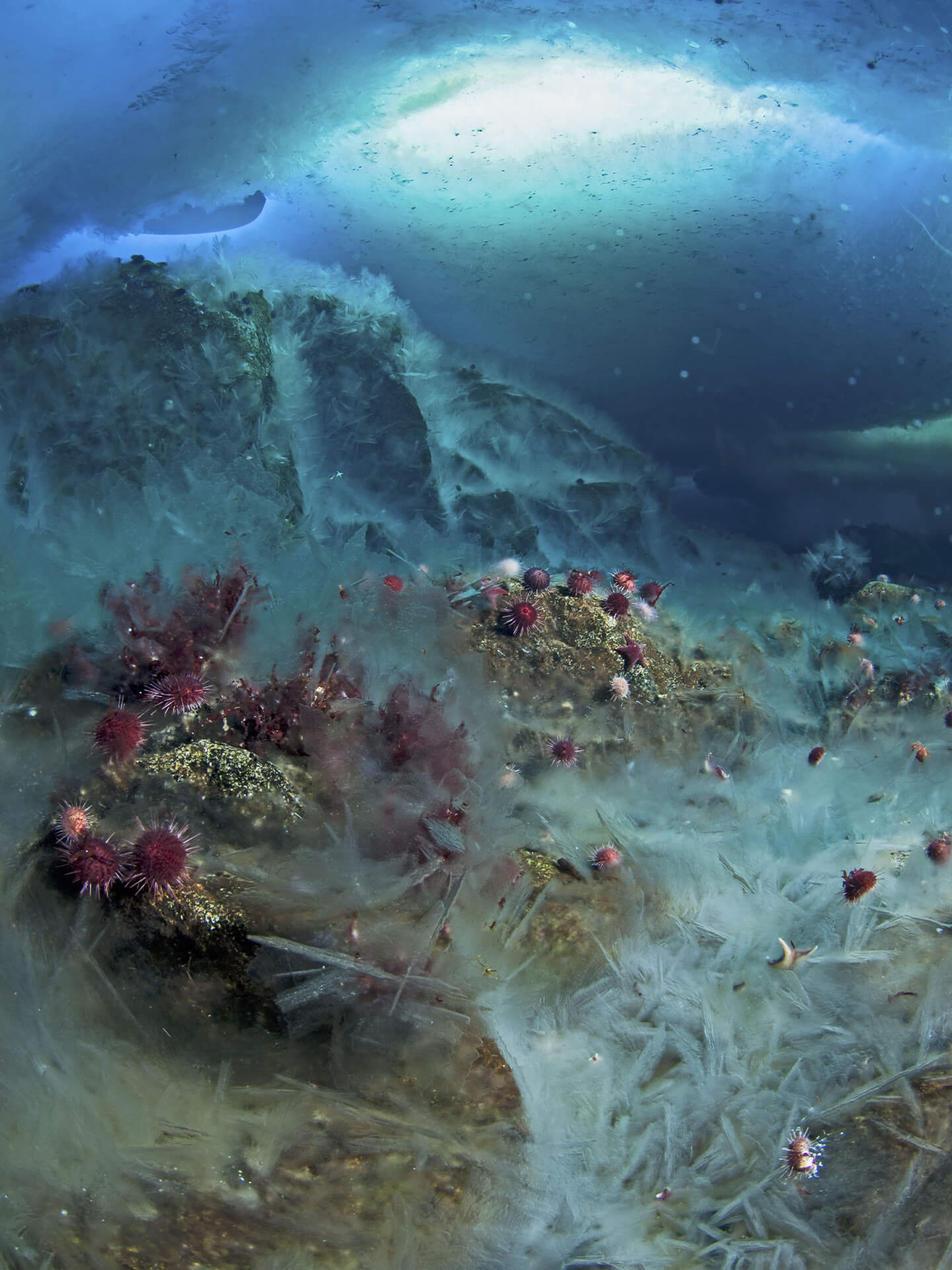
Here, just below the ice, the shallow seafloor is a place of constant disturbance. Constantly moving ice, changing light, and seasonal extremes shape the life that can persist there.

A seabed that never settles

The first ten metres is the most disturbance-dominated seafloor environment in Antarctica. Fast ice, grounded icebergs, and moving ice constantly press into, scrape, and reset the seafloor, repeatedly removing communities before they fully mature.

Shaped by the seasons

The surface influence is still strong in this zone. Winter brings darkness beneath snow-covered ice, while summer brings continuous light, melting, and rapid environmental change across the shallow seafloor.

Life between disturbance

In the quieter periods between disturbance events, algae, microbial films, bryozoans, mobile invertebrates, and other early colonisers can establish, creating a patchwork of recovering life on the seafloor.

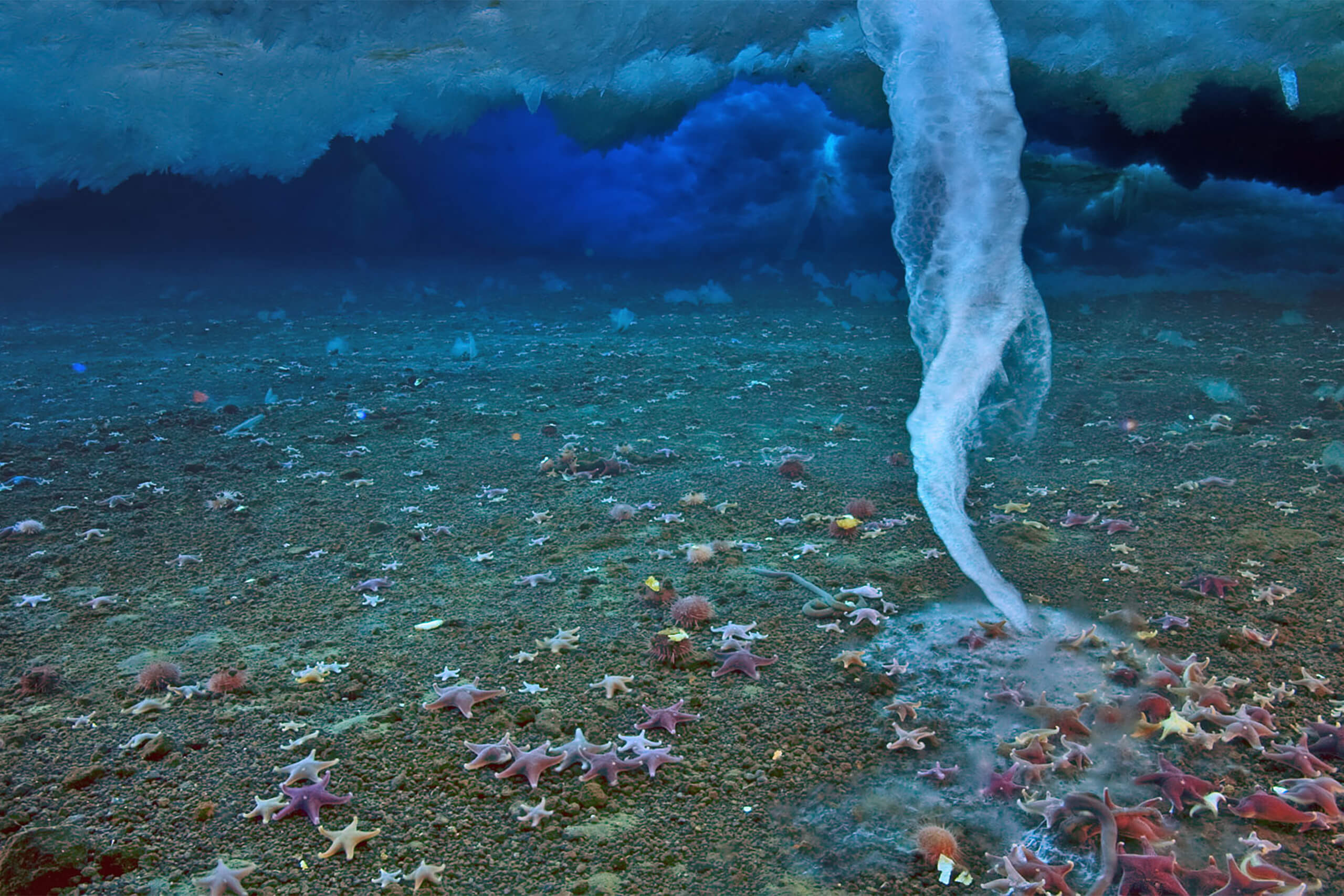
The finger of death

As sea ice forms, dense, hypersaline water is pushed below the ice. Heavier than the surrounding water, it sinks and freezes as it descends, forming an icy tube known as a brinicle. When this icy finger reaches the seafloor, it can spread rapidly sideways as anchor ice, freezing everything in its path.

Into the blue (10 – 50 m)

As the surface world begins to fade, a dim blue realm of mature seafloor communities begins to emerge.

A quieter water column

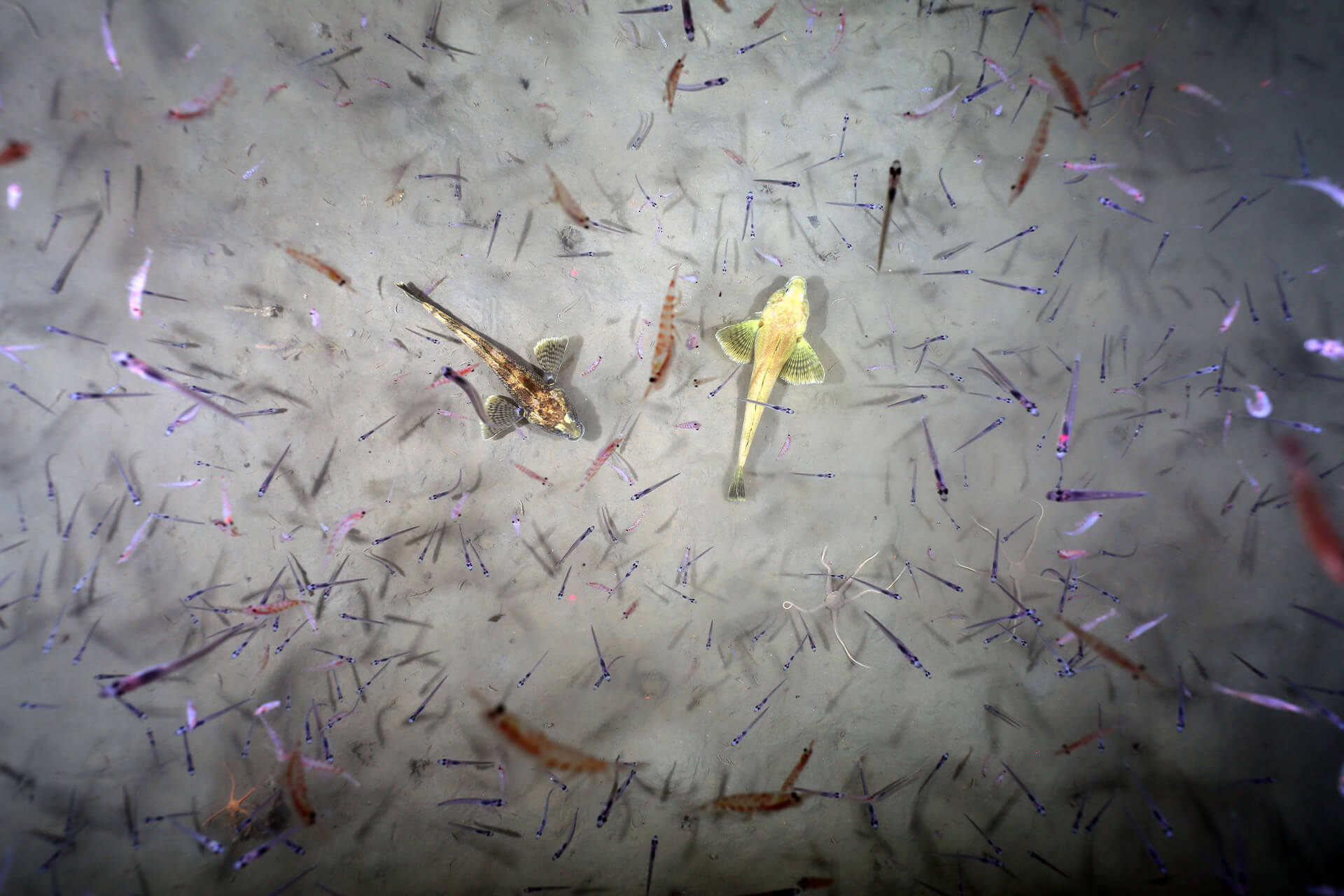
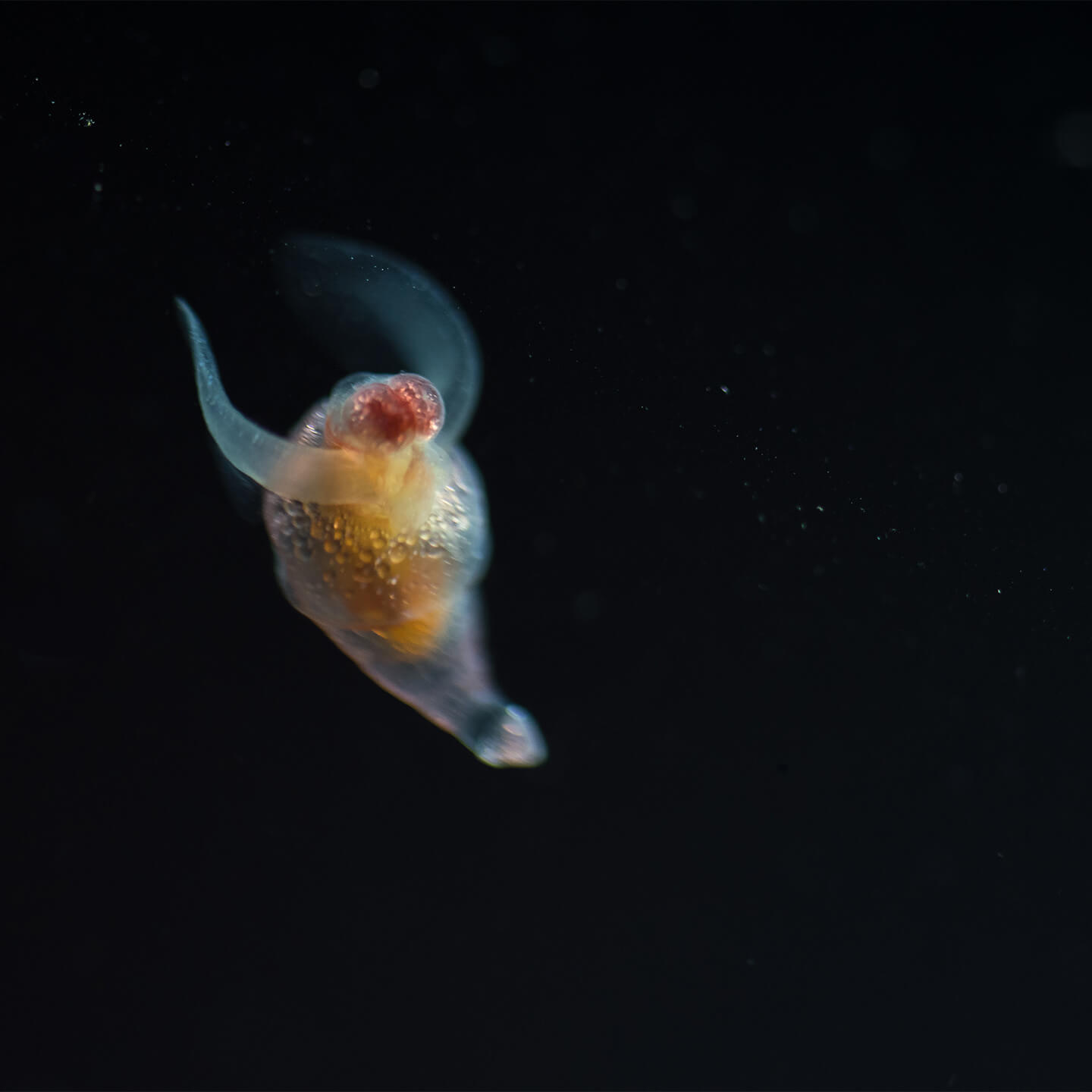
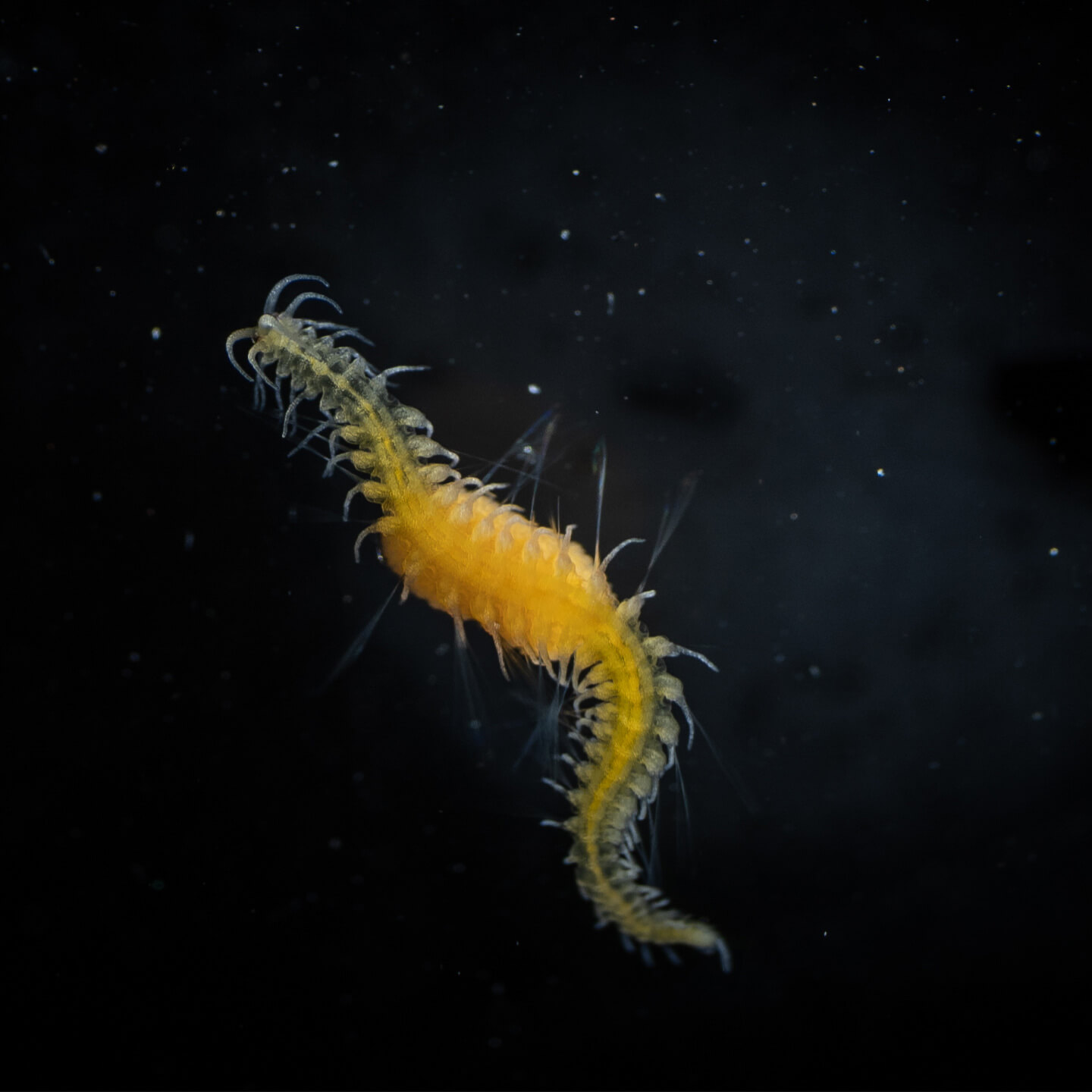
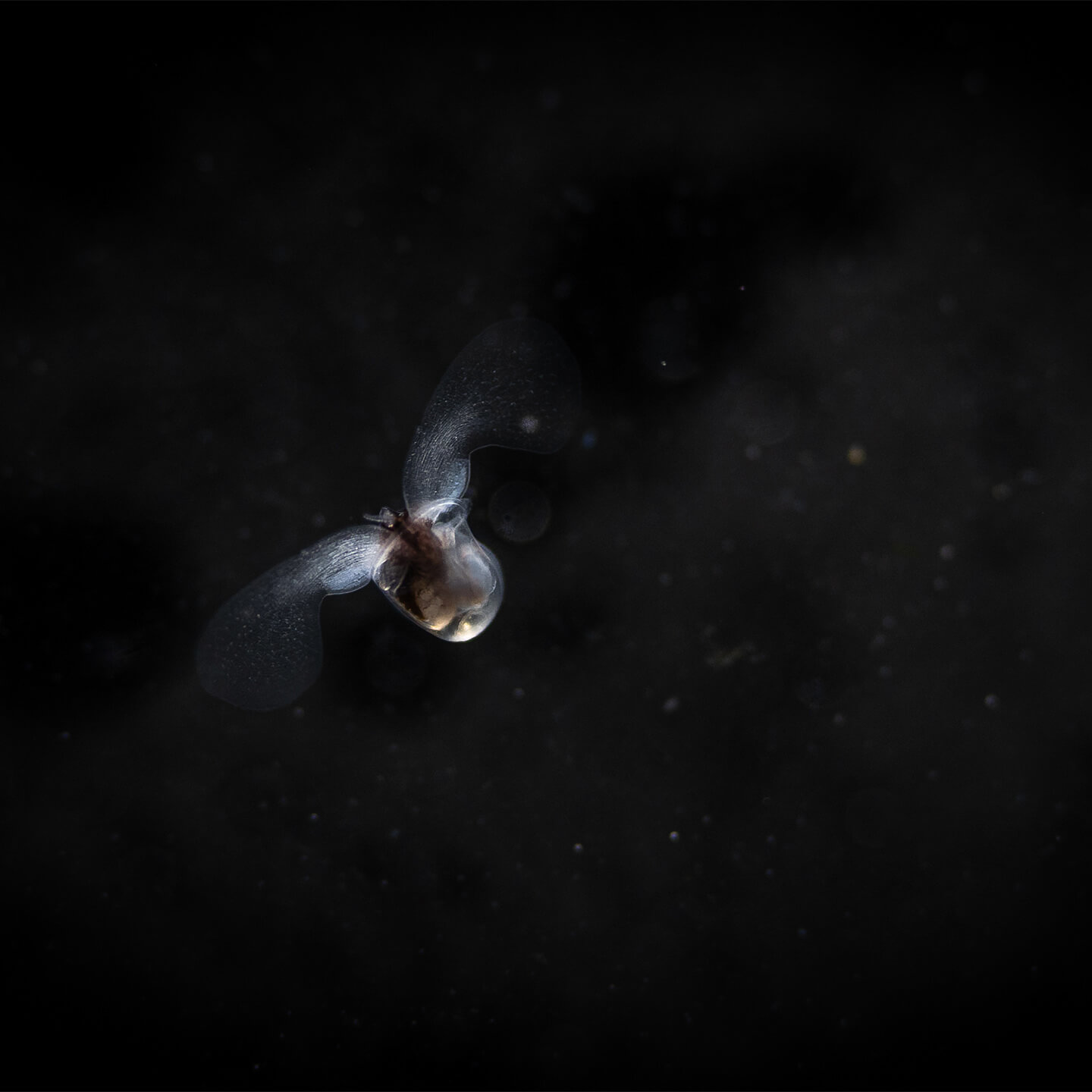
Between 10 and 50 metres, the Antarctic underwater world grows dimmer, quieter, and more stable. Antarctic silverfish move through these waters, while krill, amphipods, and jellyfish drift through the blue-green water. Here, the last influence of the bright surface begins to fade, and a richer seafloor community starts to emerge.

Life in blue light

Enough light still reaches the seafloor for photosynthesis, but the underwater world has changed. Warm colours have faded, leaving a blue-dominated environment where photosynthetic life grows under dimmer, filtered light.

Communities begin to take hold

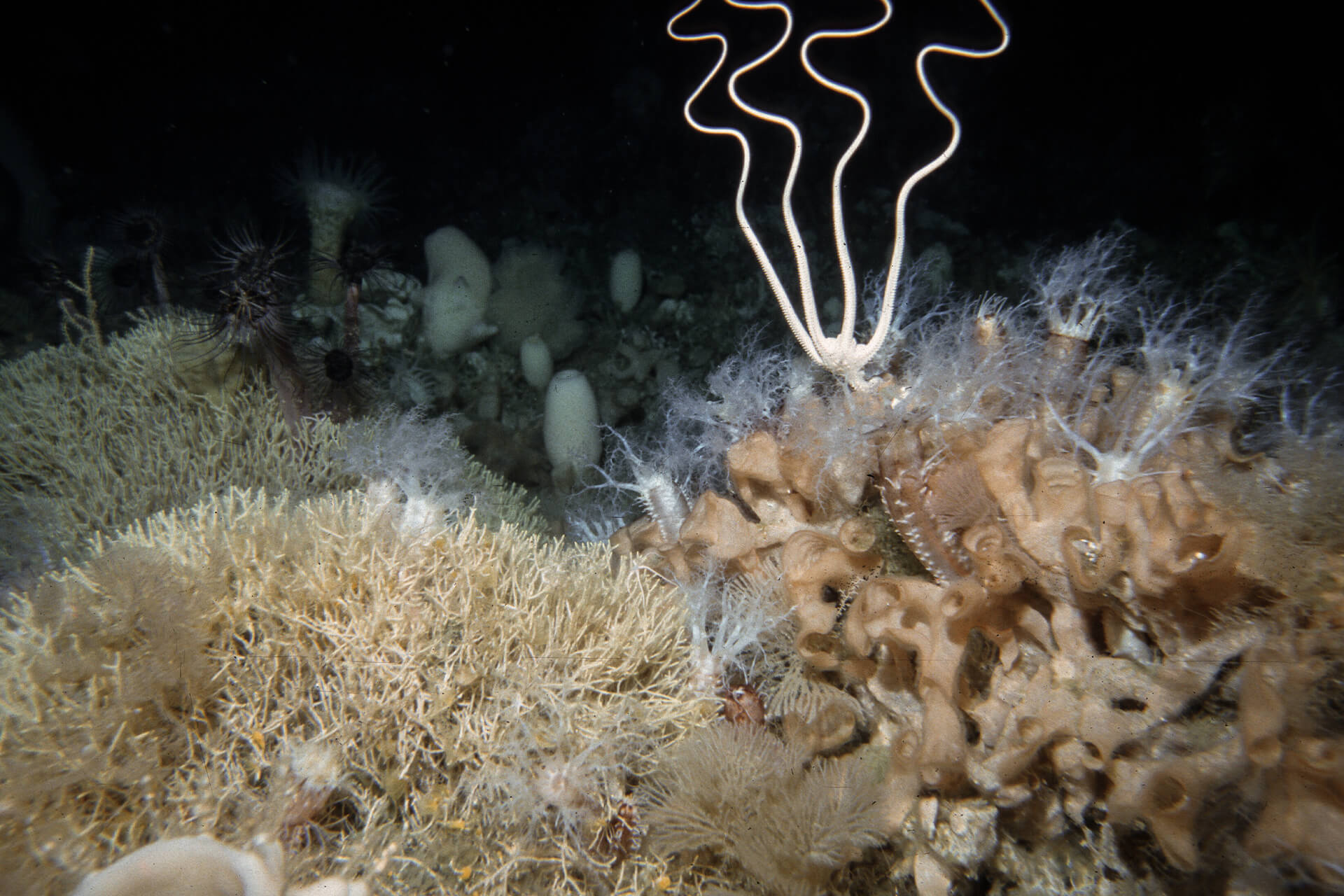
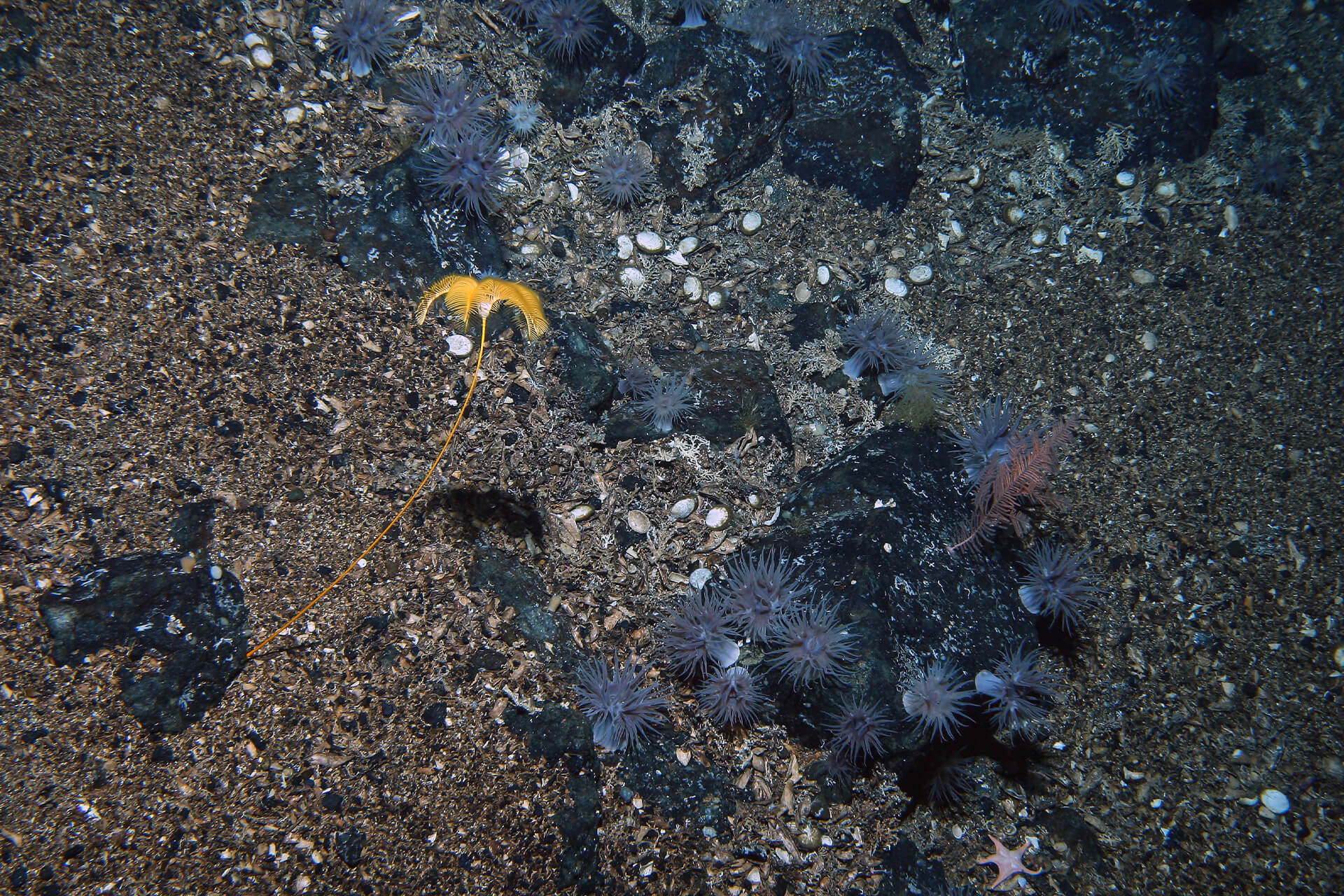
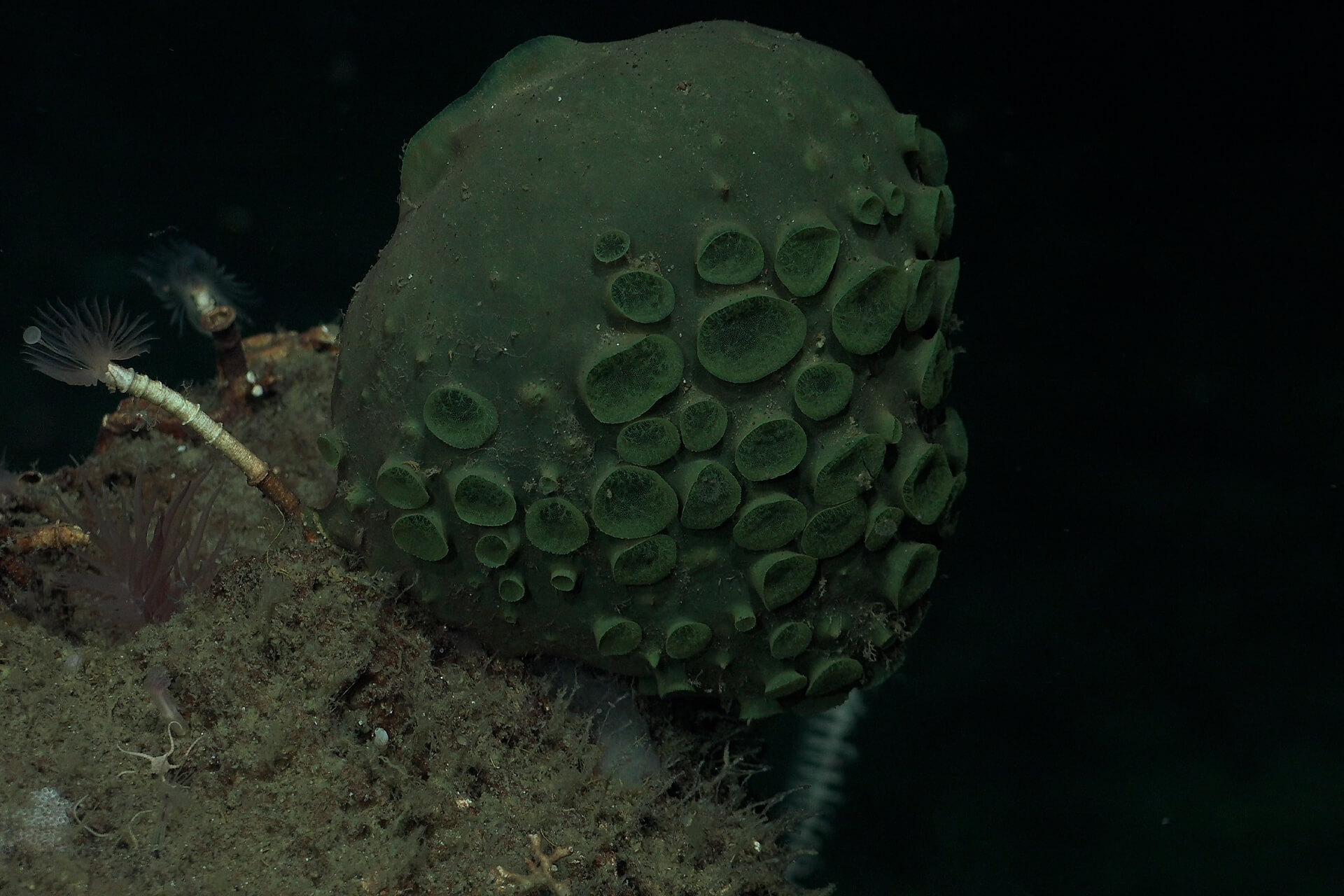
With less frequent ice scour than in in the disturbed shallows above, the seafloor has more time to recover and develop. Longer-lived, more structurally complex assemblages begin to establish here, including anemones, bryozoans, hydroids and mobile invertebrates.

Antarctica’s underwater forests

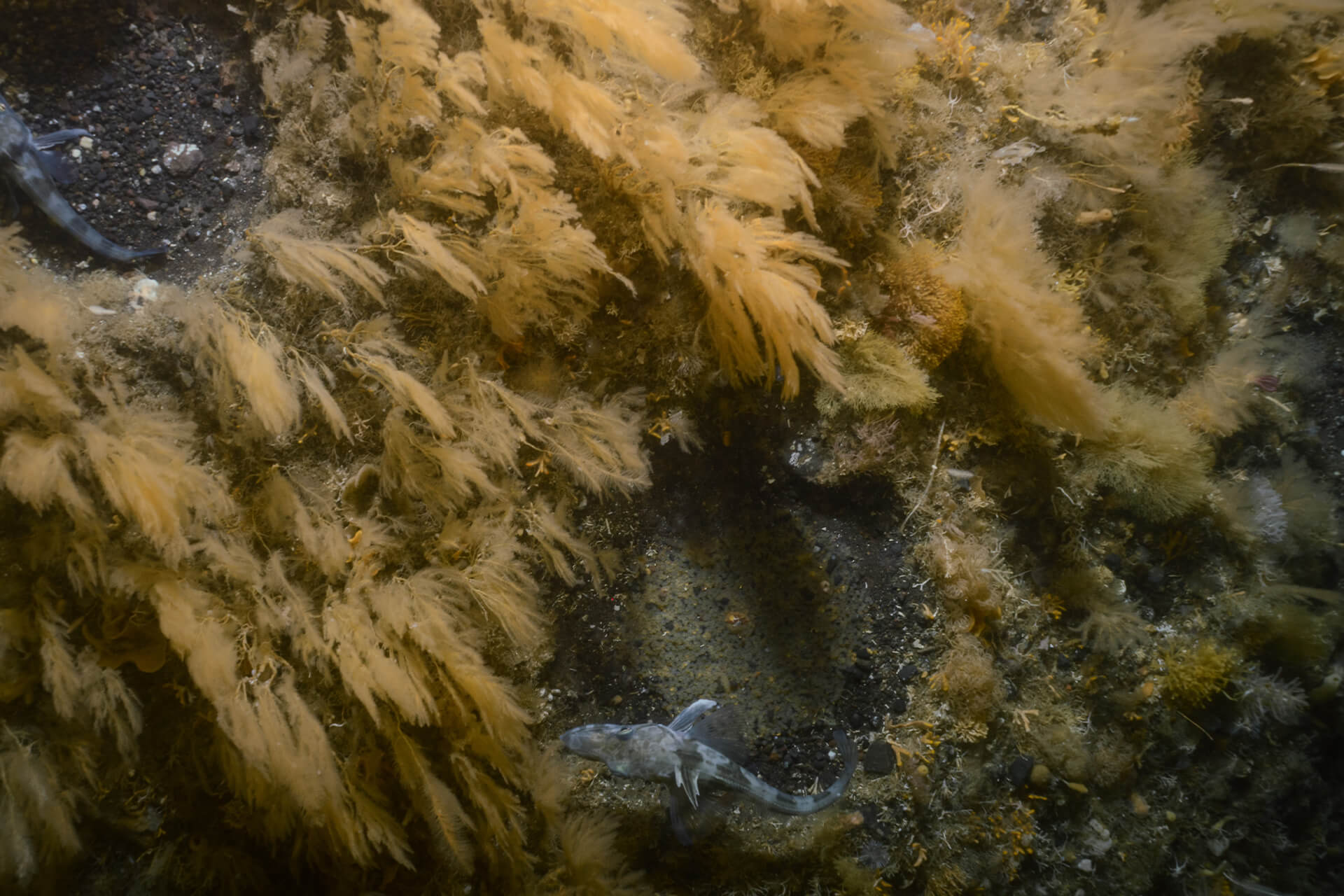
On well-lit rocky seafloors, large brown macroalgae form Antarctica’s only true underwater forests. These habitats add food, shelter, and three-dimensional structure to the seafloor, supporting diverse communities of kelp-associated fish and invertebrates.

Food from above (50 – 200 m)

On the inner continental shelf, infrequent disturbance and a steady rain of organic matter allow dense, diverse seafloor communities to flourish.

Life fed from above

At these depths, most seafloor life depends on a steady rain of food from the ocean above. Dead phytoplankton and ice algae, zooplankton faecal pellets, and other drifting organic material sink to the bottom, helping sustain the dense communities of the inner shelf and linking this environment directly to the ocean overhead.

A seafloor built for filtering

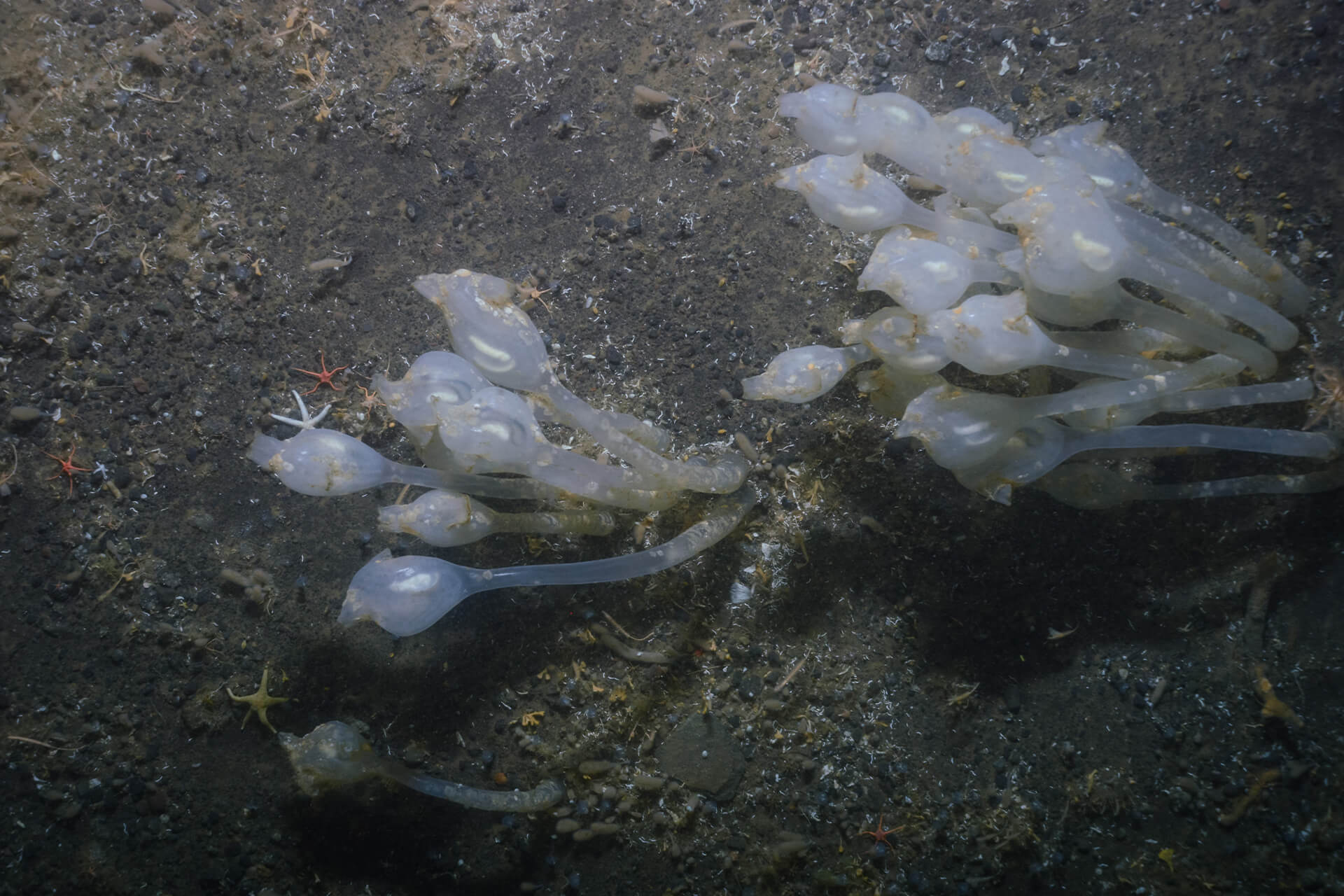
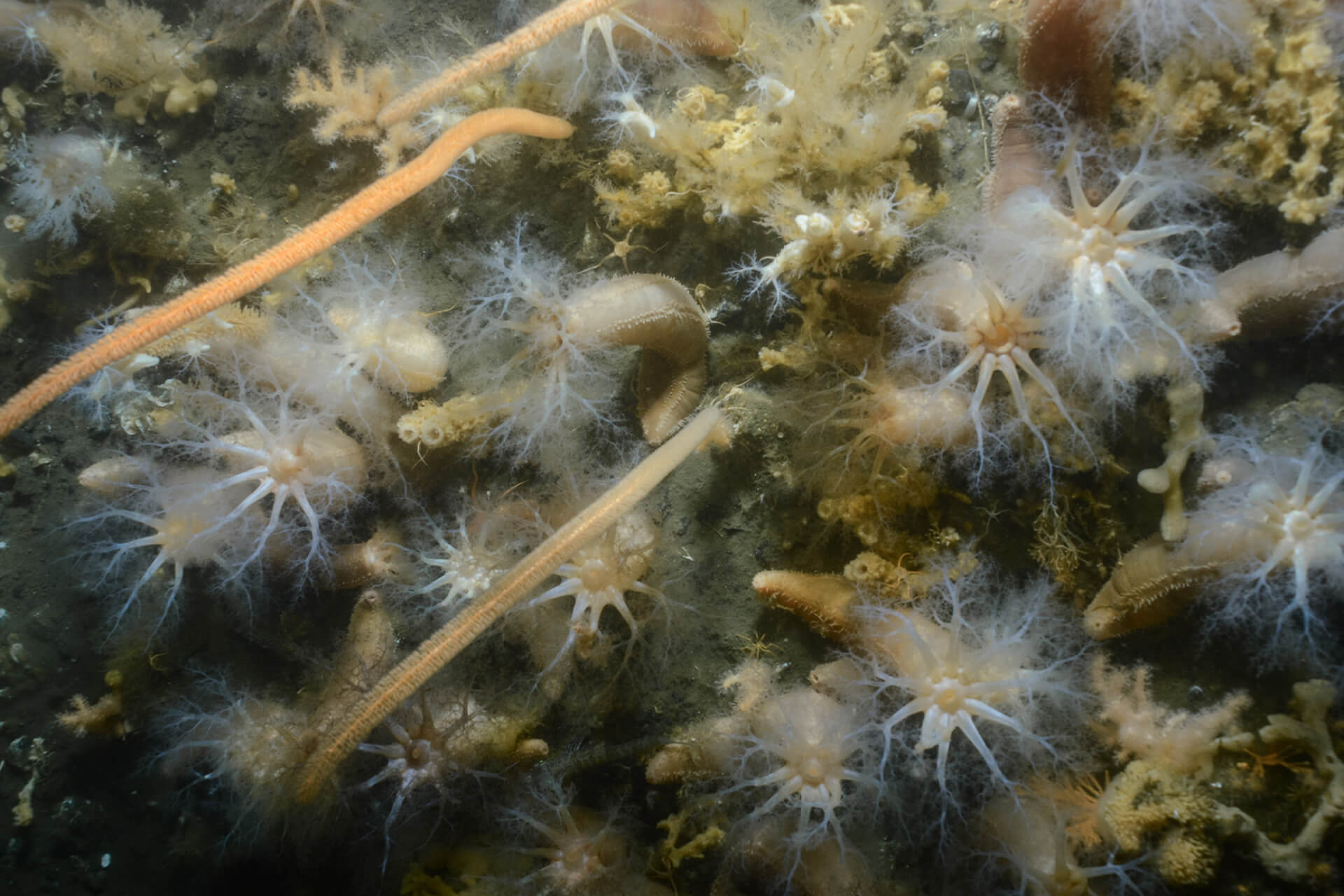
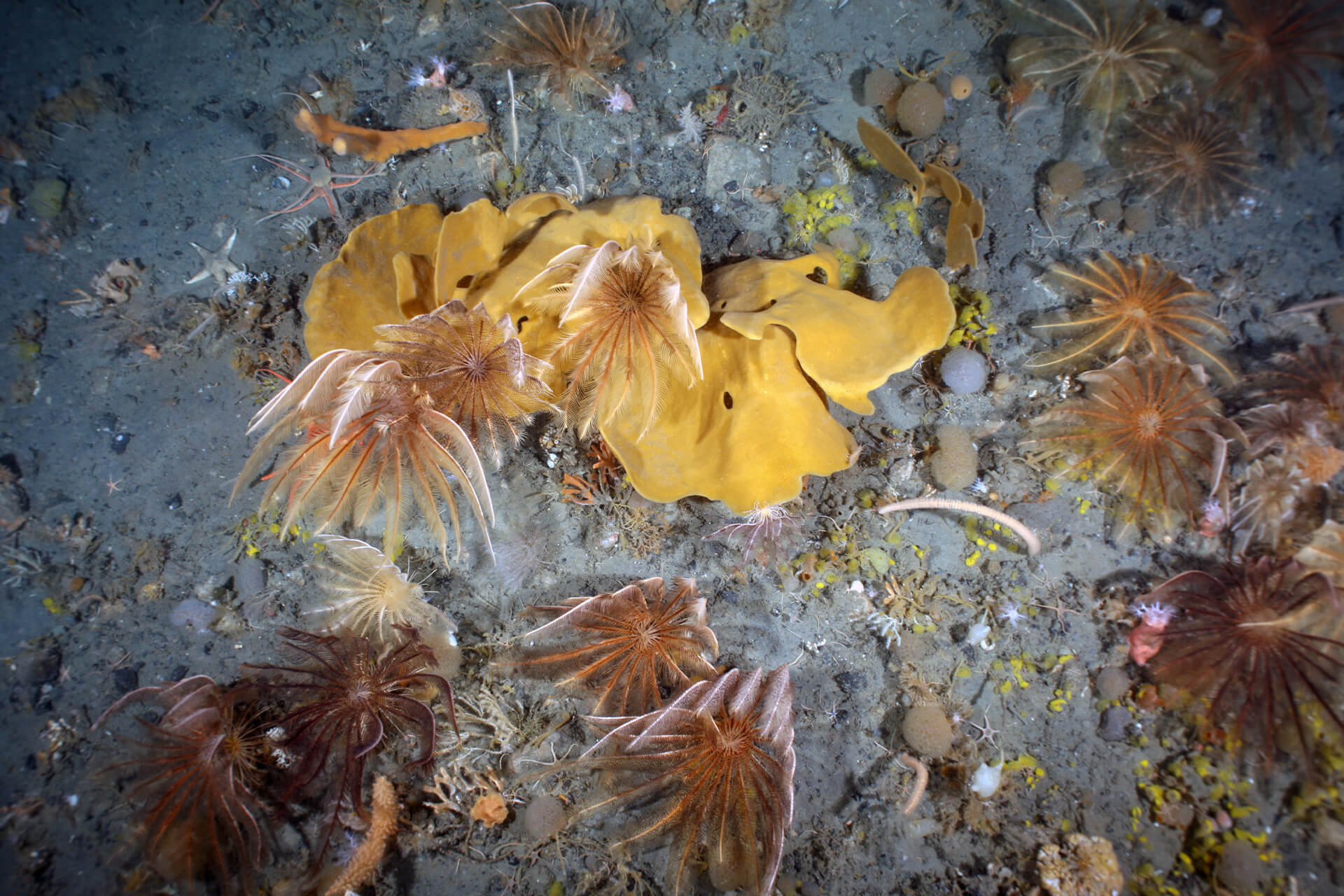
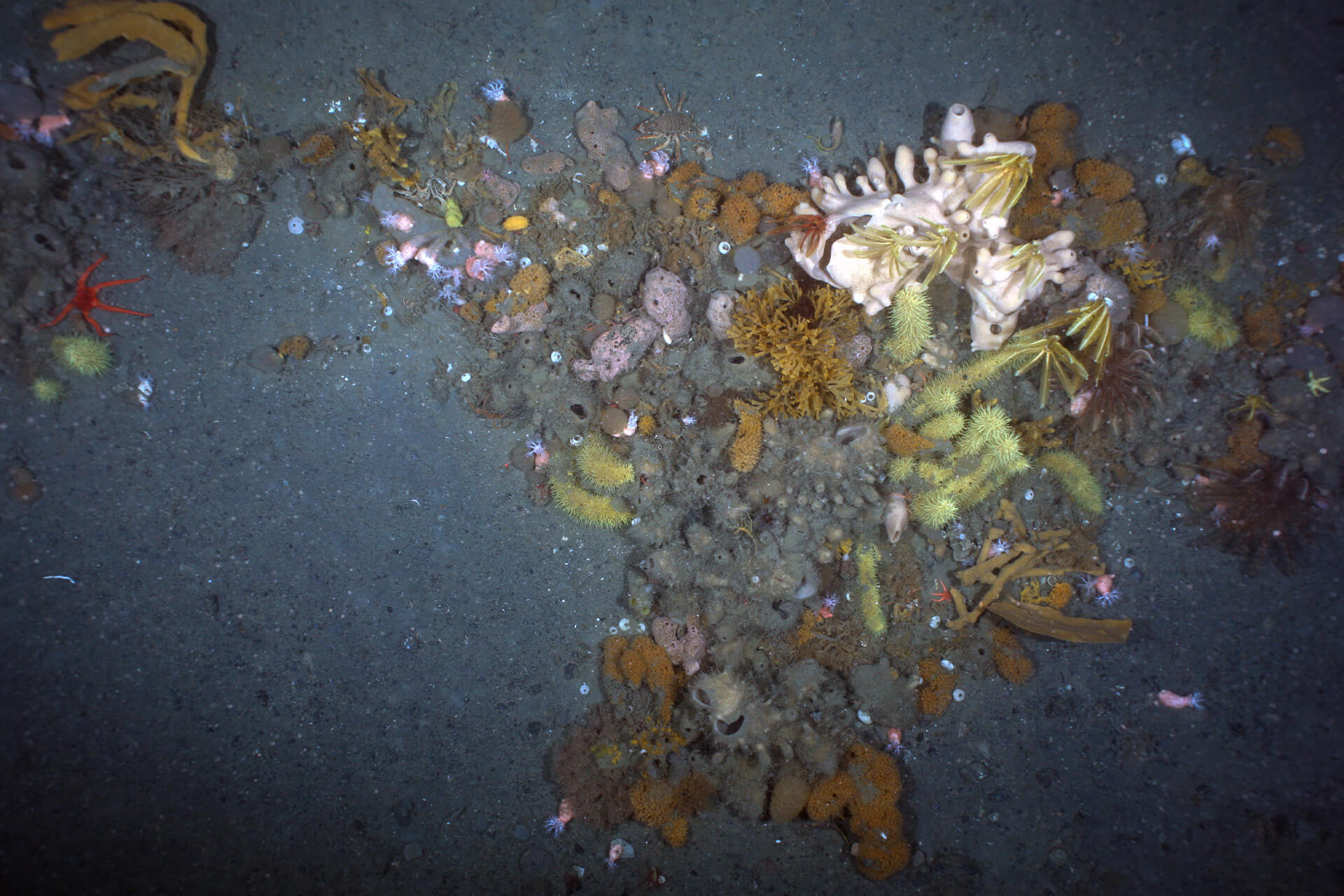
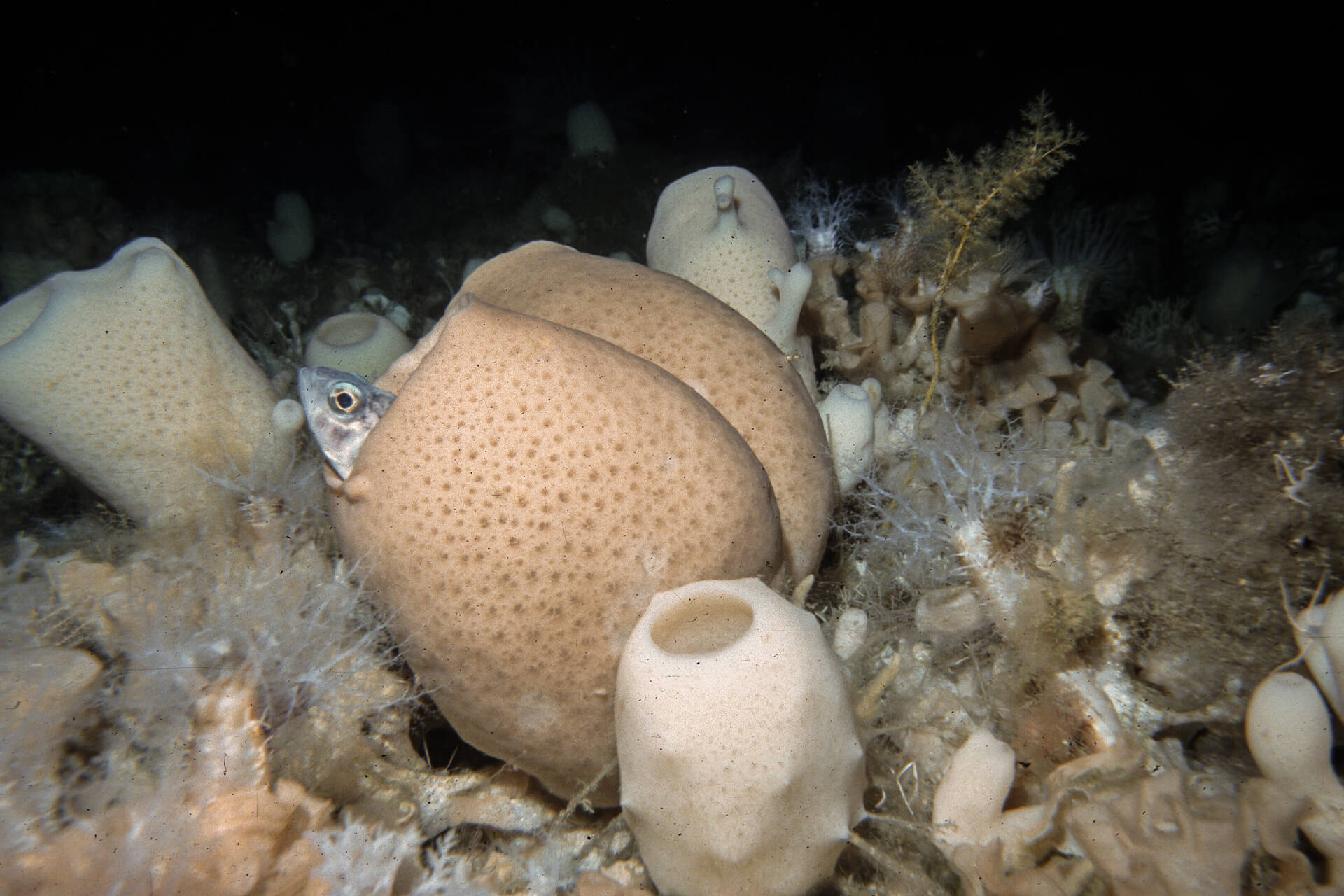
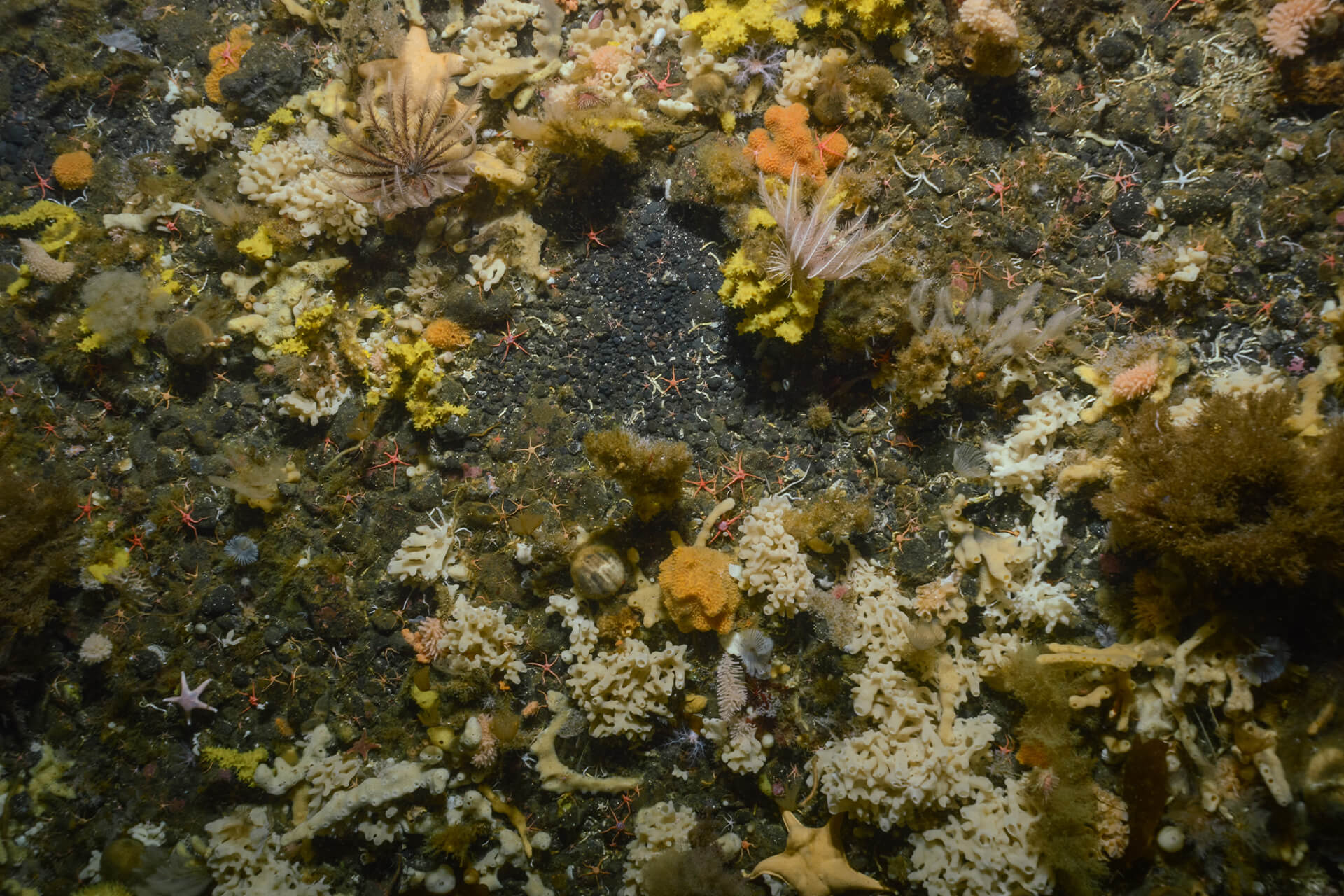
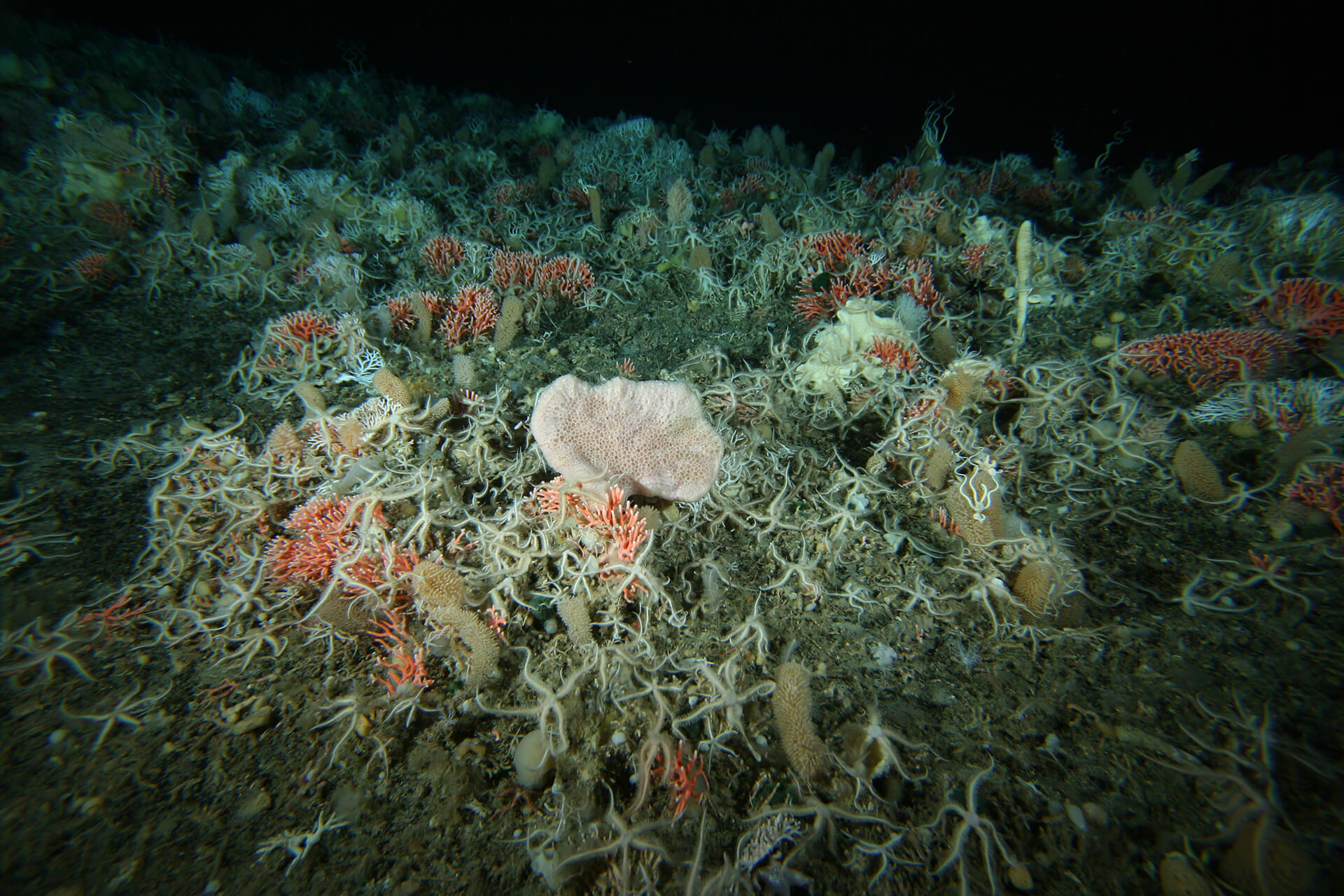
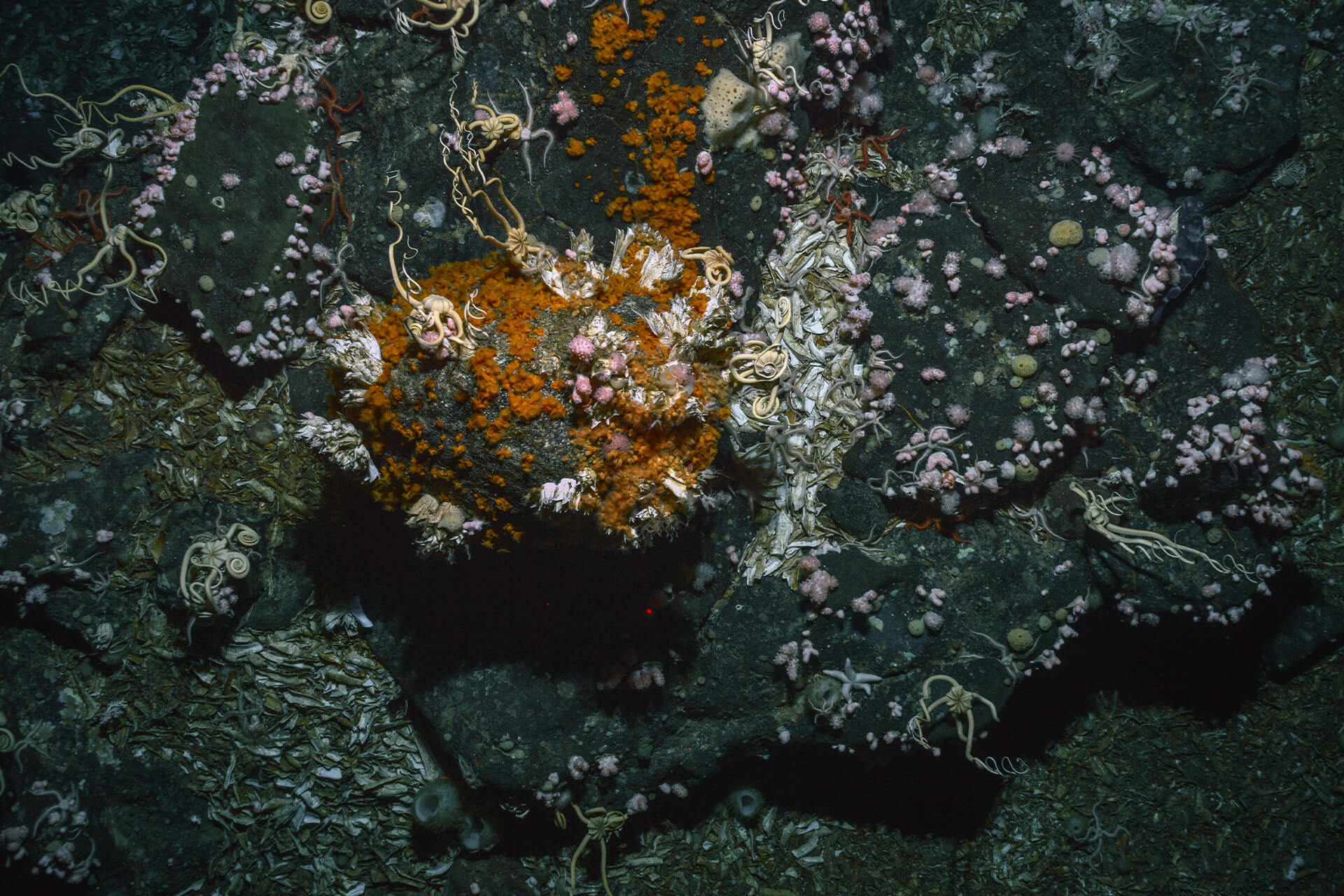
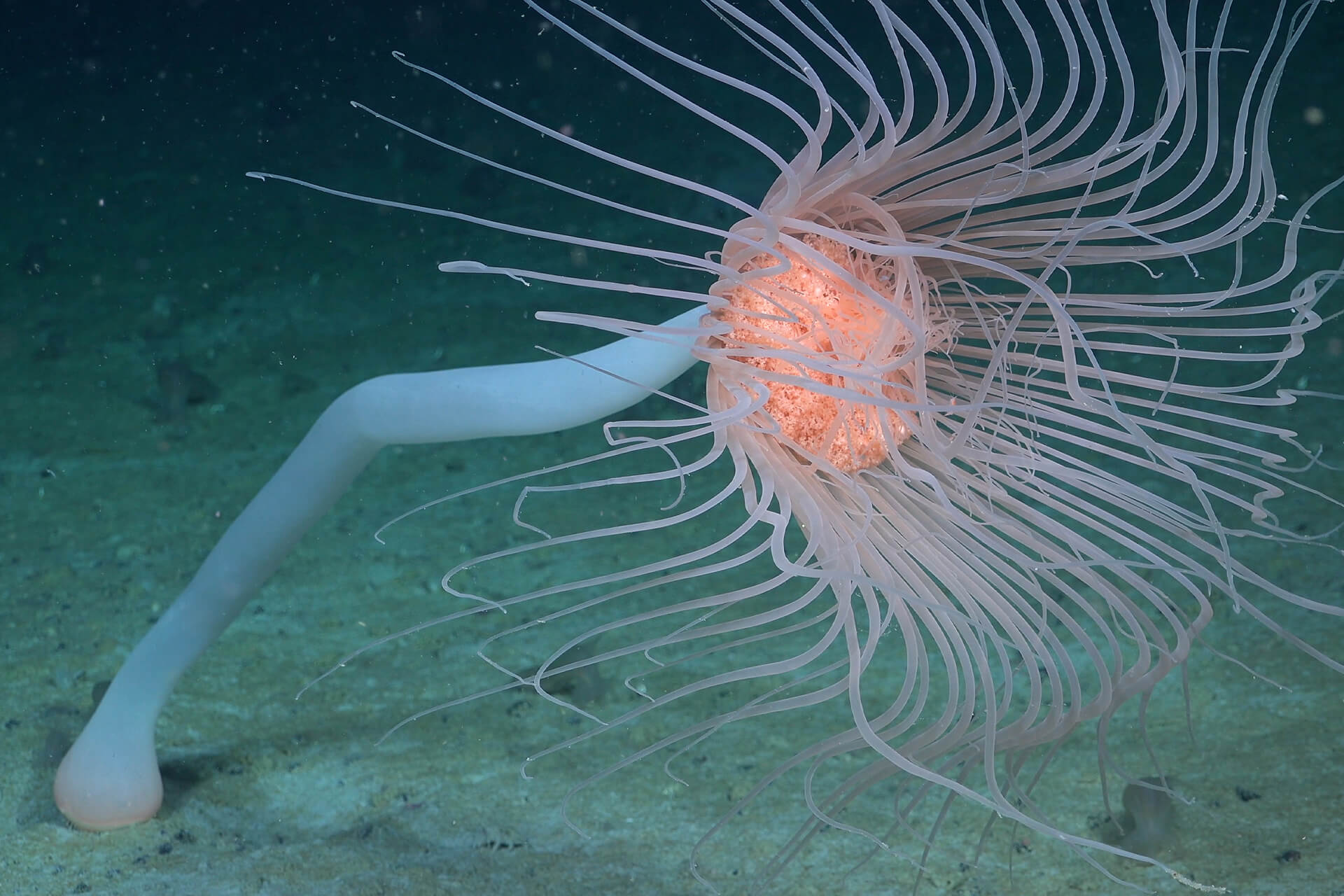
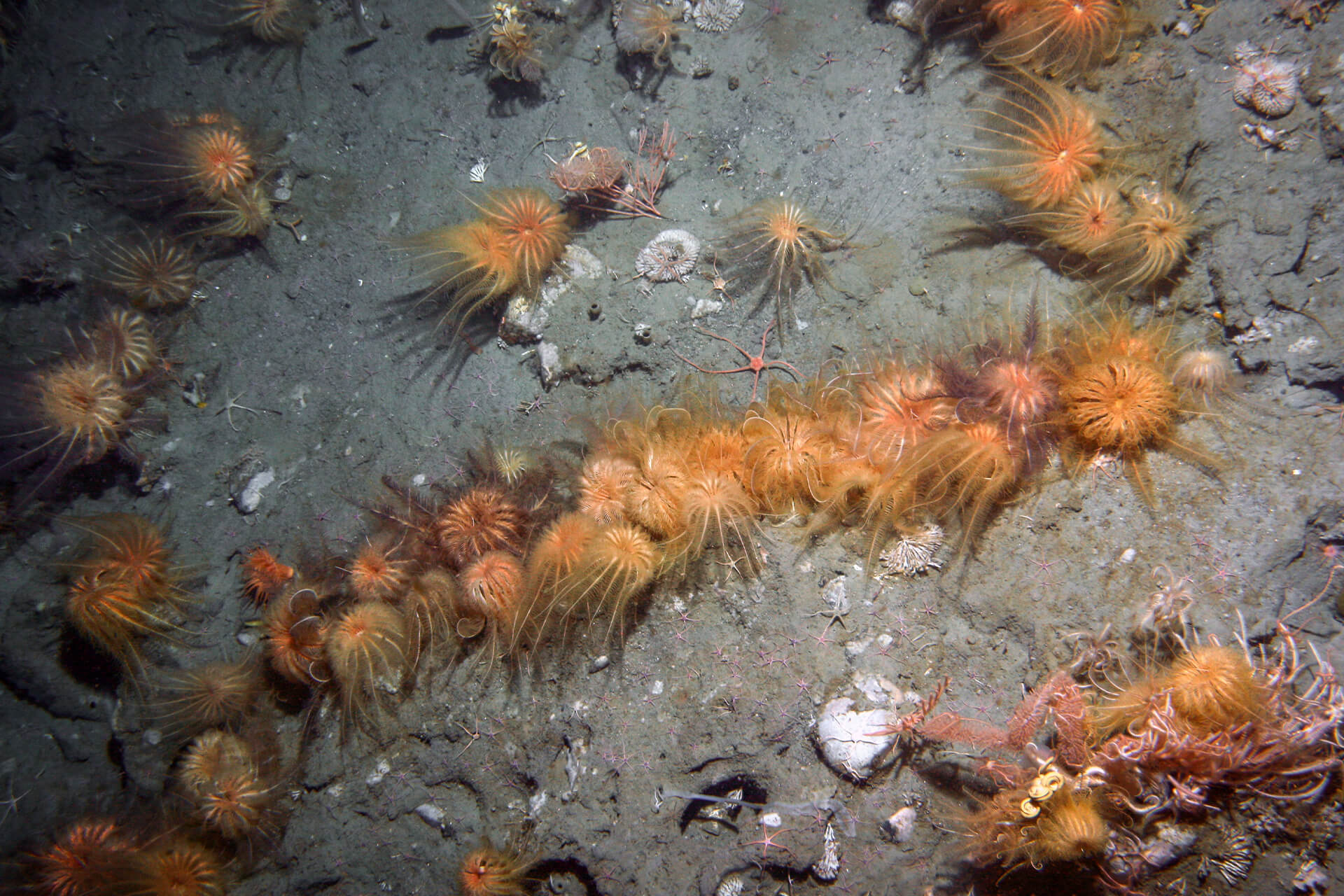
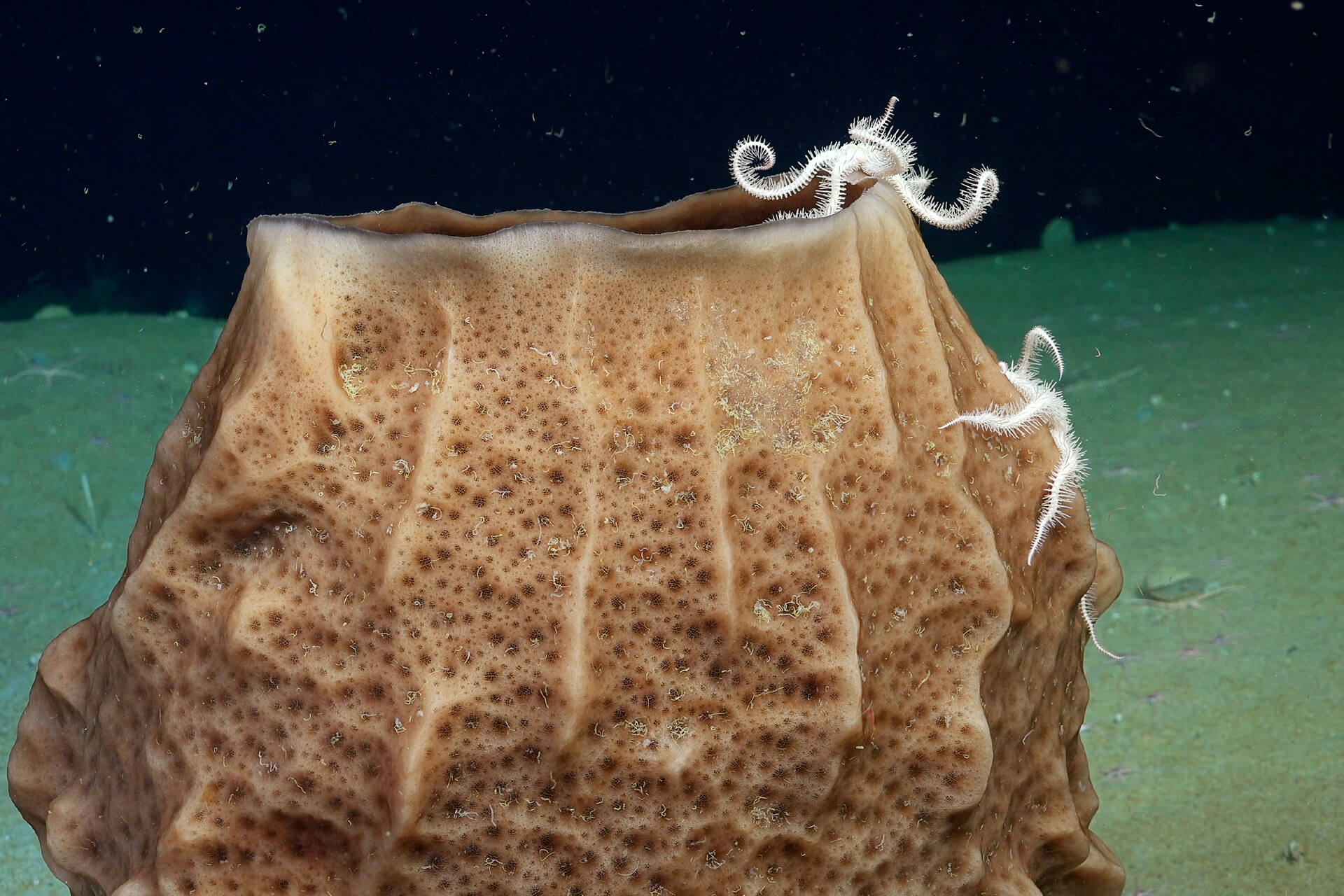
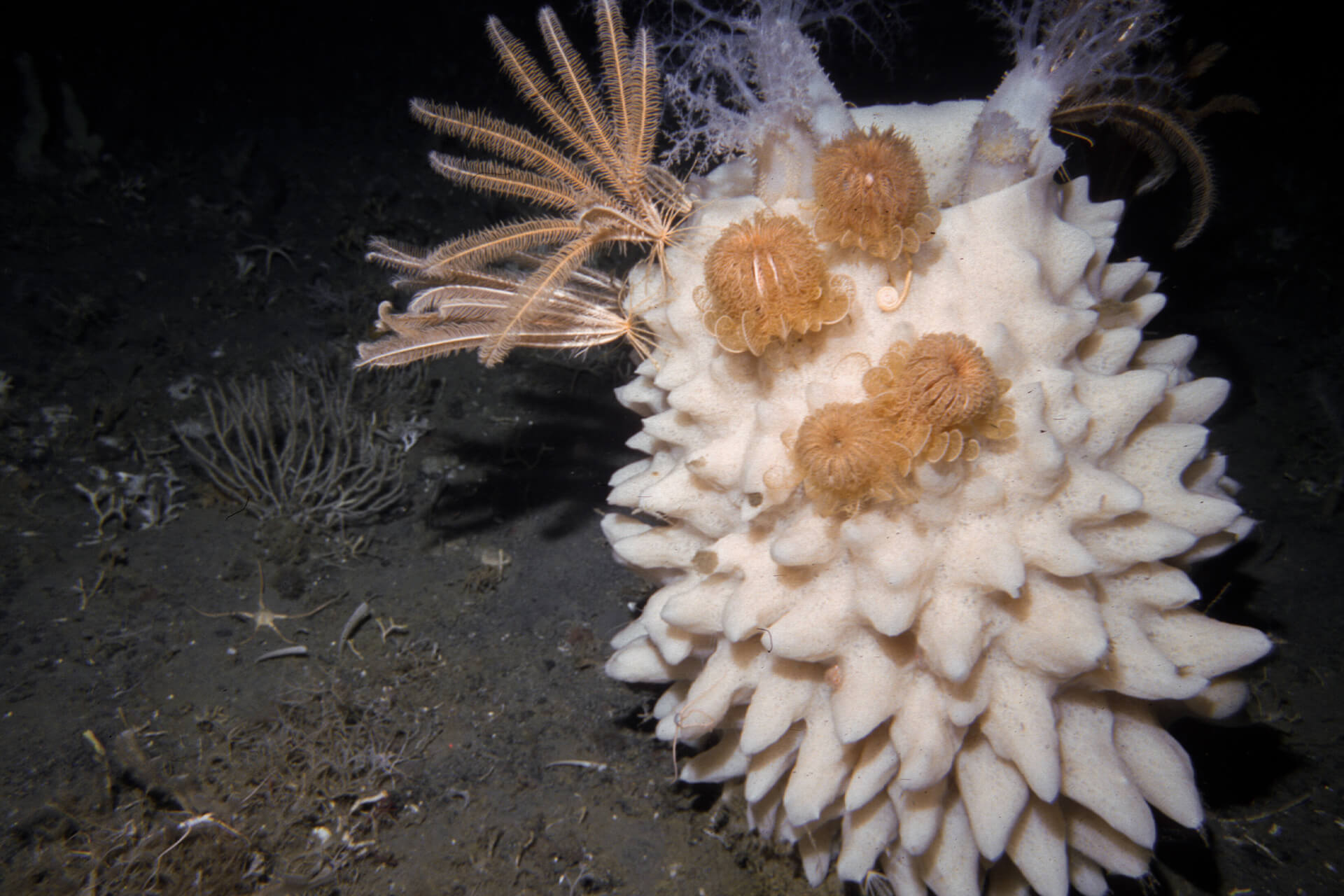
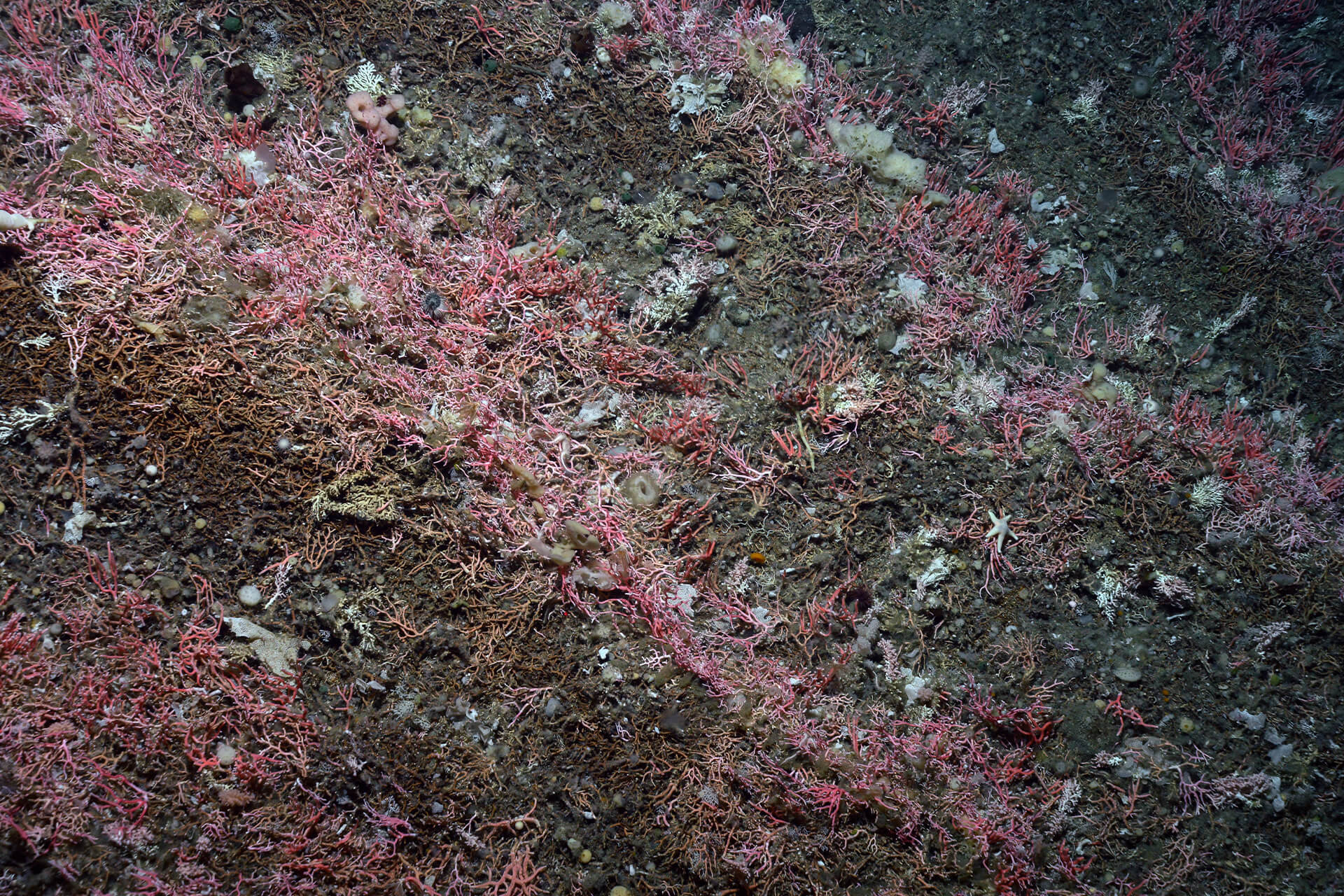
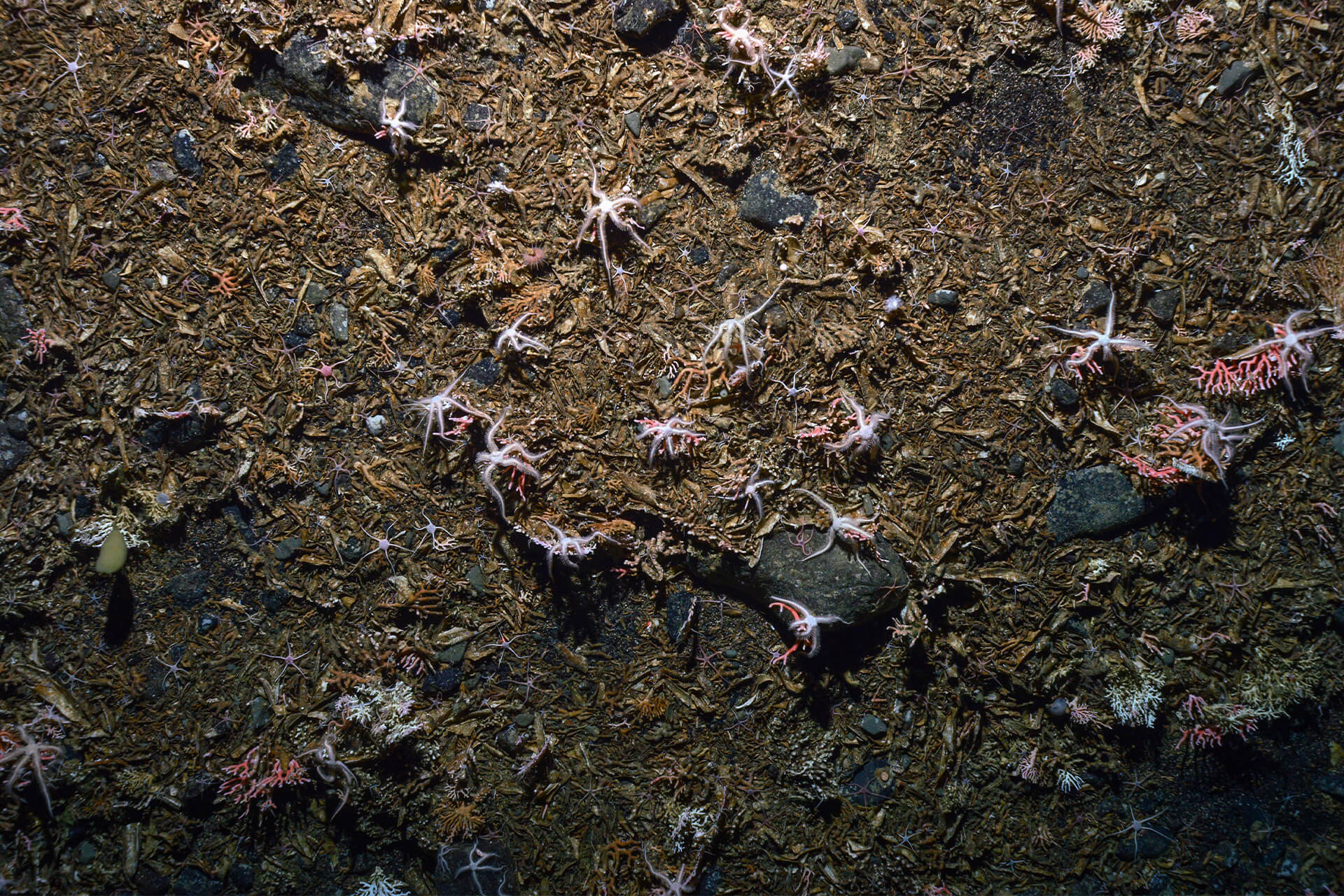
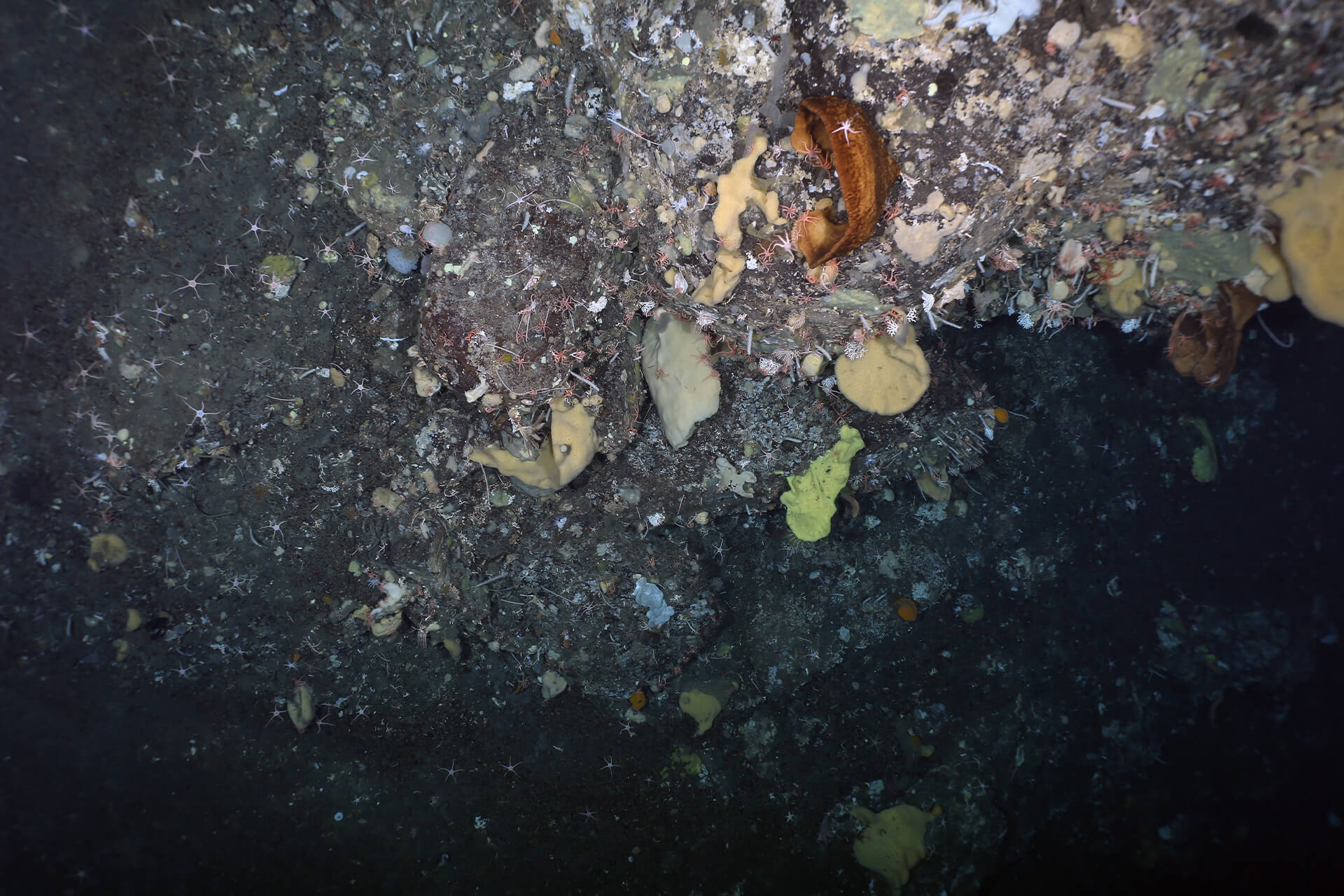
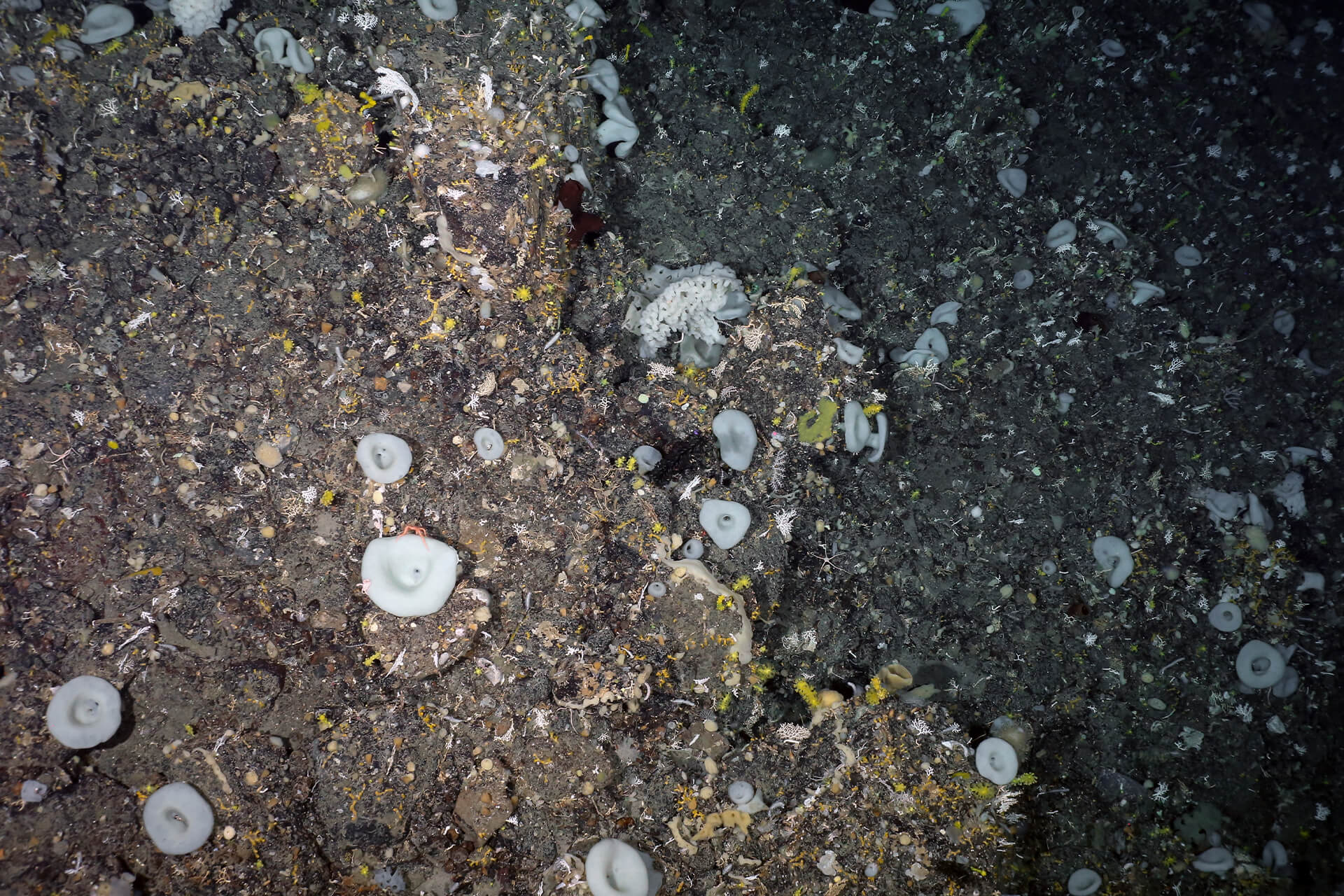
Many of the animals living here are immobile and survive by straining tiny particles of “organic snow” from the water. Sponges, bryozoans, ascidians, corals, hydroids, gorgonians, and other suspension feeders form dense diverse assemblages that turn the seafloor into a living net, intercepting everything that drifts into their vicinity.

Visitors from above

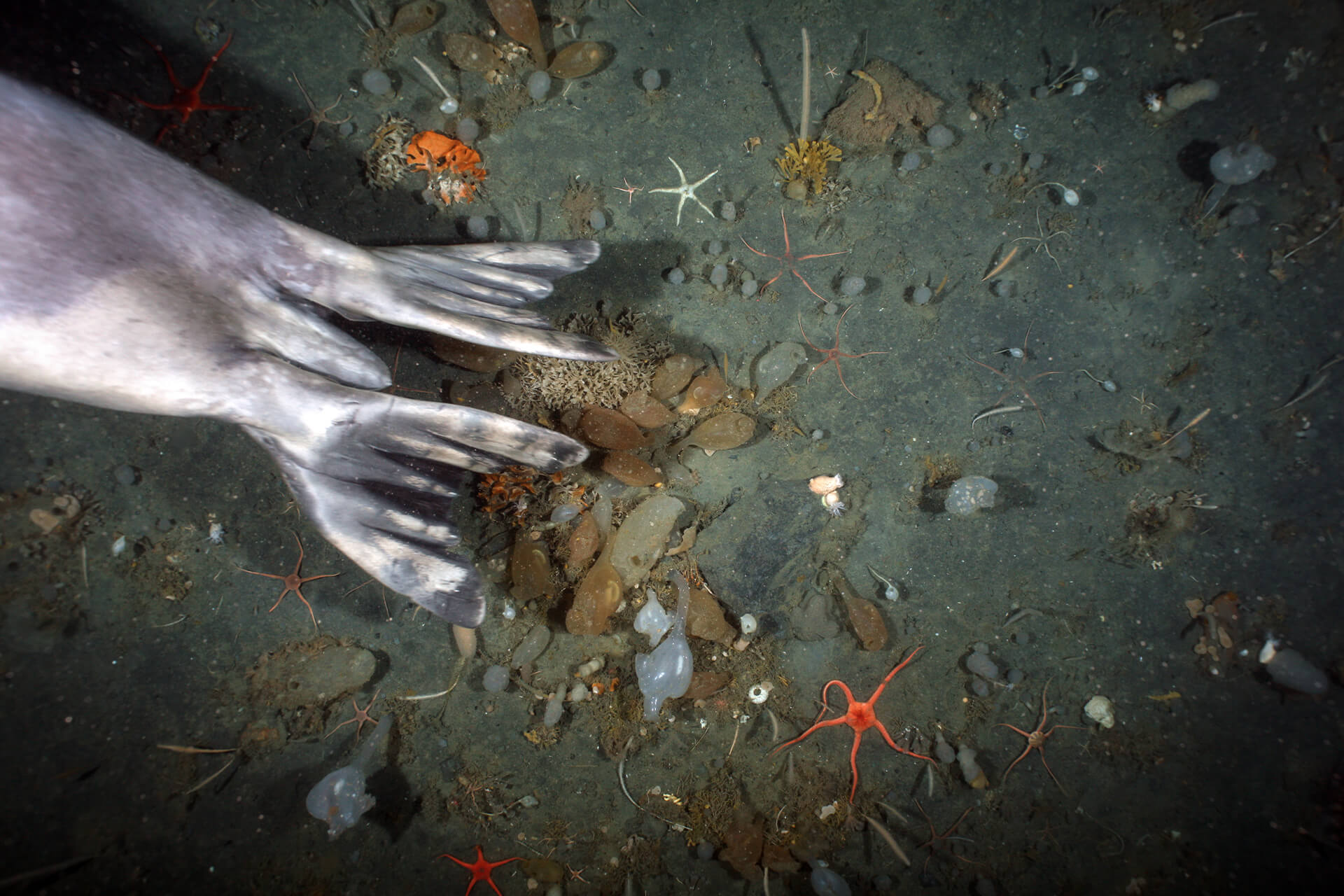
Photo-bombing at 192 metres.

The inner shelf remains within reach of animals from the surface. Penguins and seals dive into these productive waters, hunting through the water column and close to the seabed. Here, the productivity of the shelf helps sustain animals that visit only briefly from a very different realm of ice, air and light.

A seafloor of contrasts

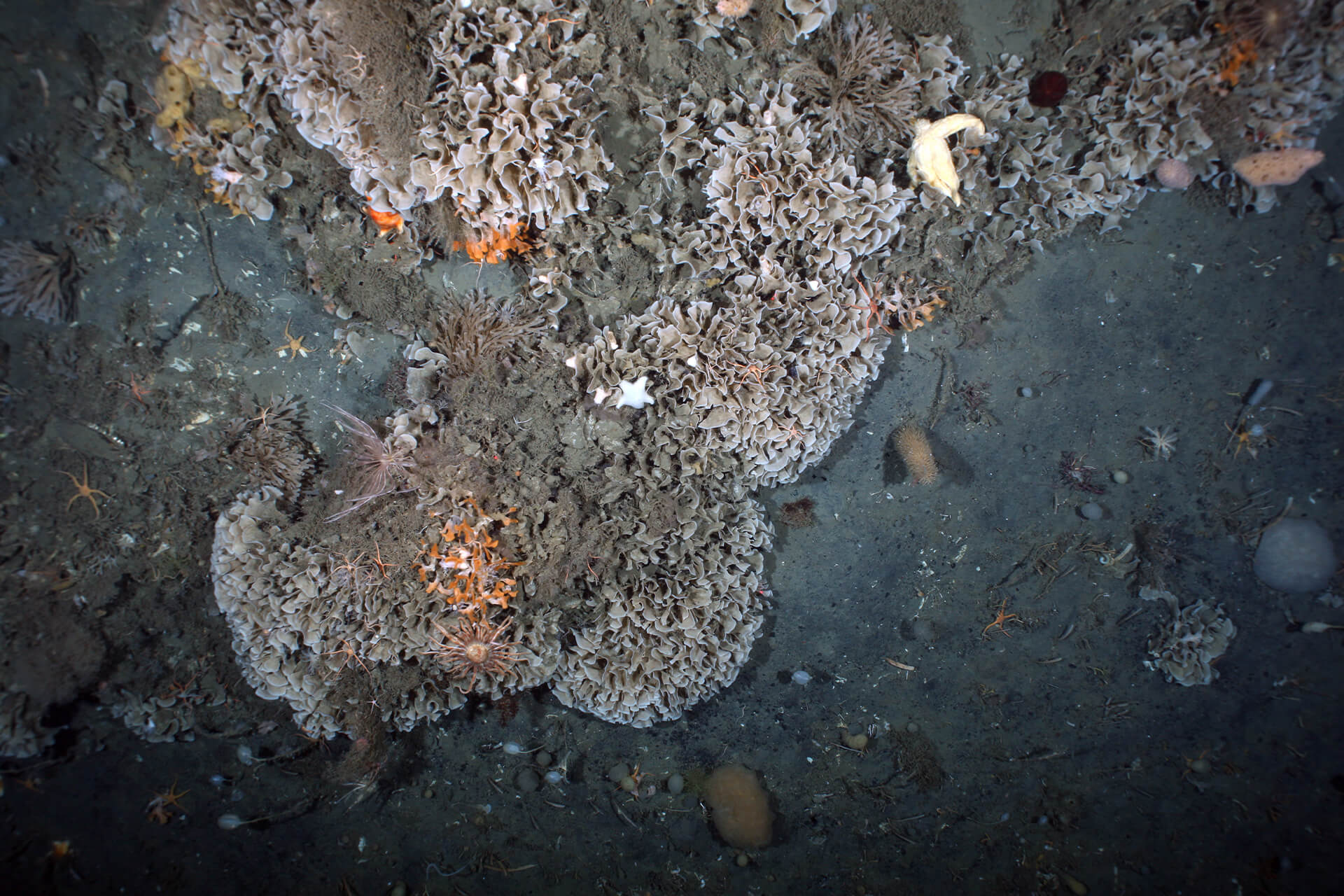
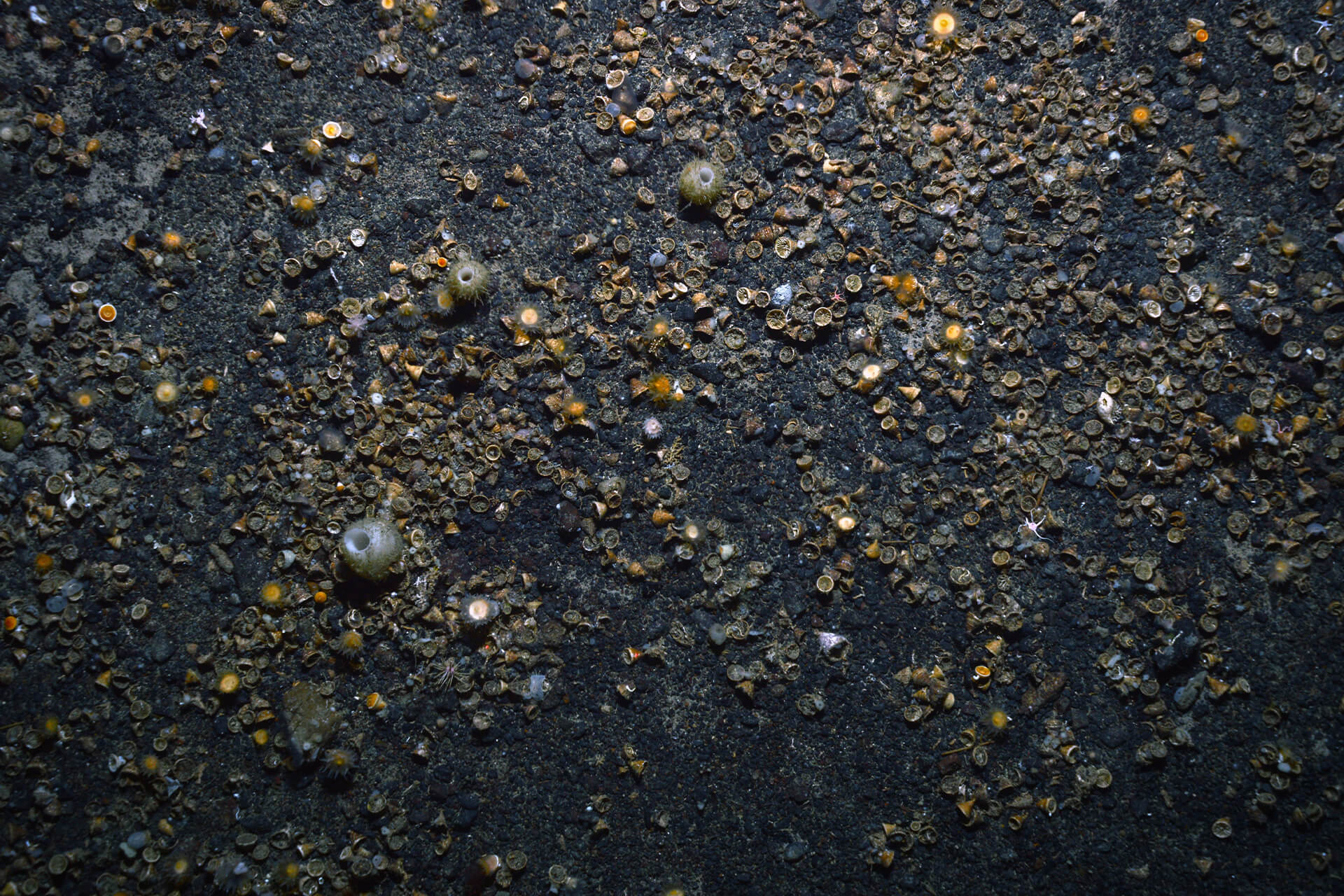
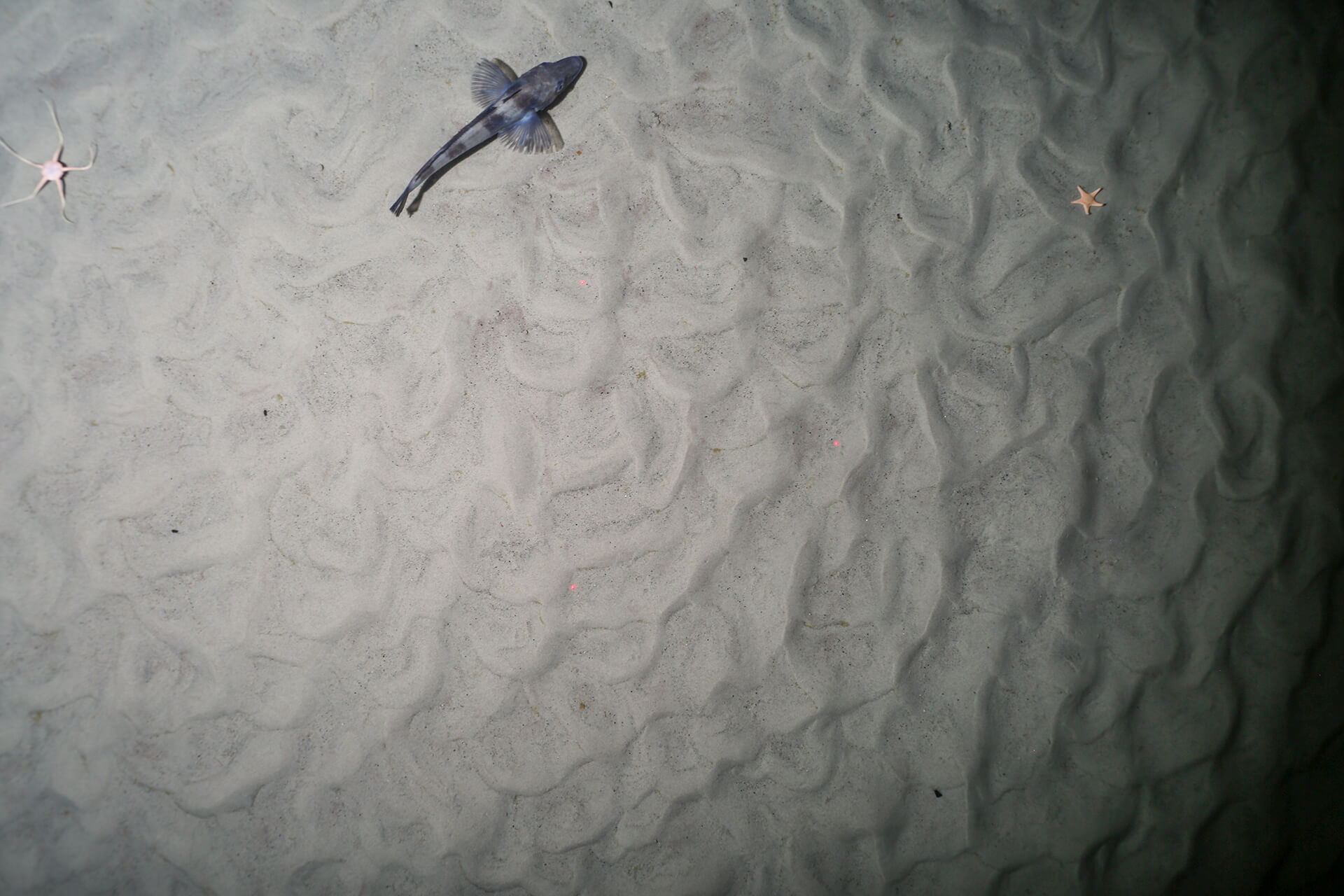
The inner shelf is a mosaic of habitats. Soft sediments, cobbles, and scattered hard surfaces each support different communities, creating a patchwork of life across the seafloor.

Outer shelf (200 – 700 m)

The broadest part of the Antarctic continental shelf. Unusually deep, shaped by ice, and scattered with glacial debris, it supports some of the continent’s most distinctive benthic communities.

A shelf shaped by ice

The Antarctic outer shelf is far deeper than continental shelves in most other parts of the world. Over millions of years, the weight of expanding ice sheets pressed down on the continent and reshaped the margin, creating a broad, dark, cold, platform where seafloor communities develop under conditions very different from those on shallower coasts.

Life in soft sediments

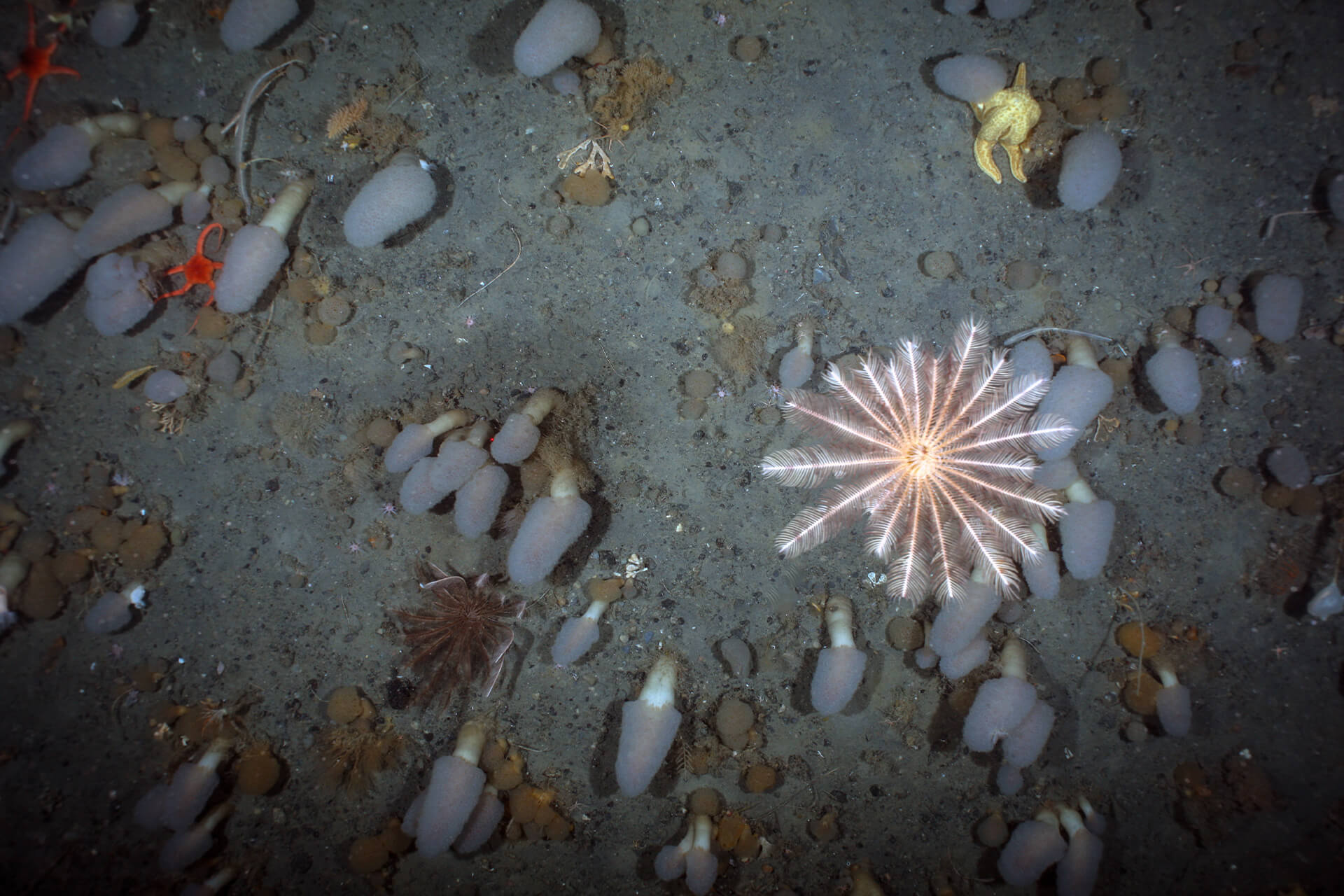
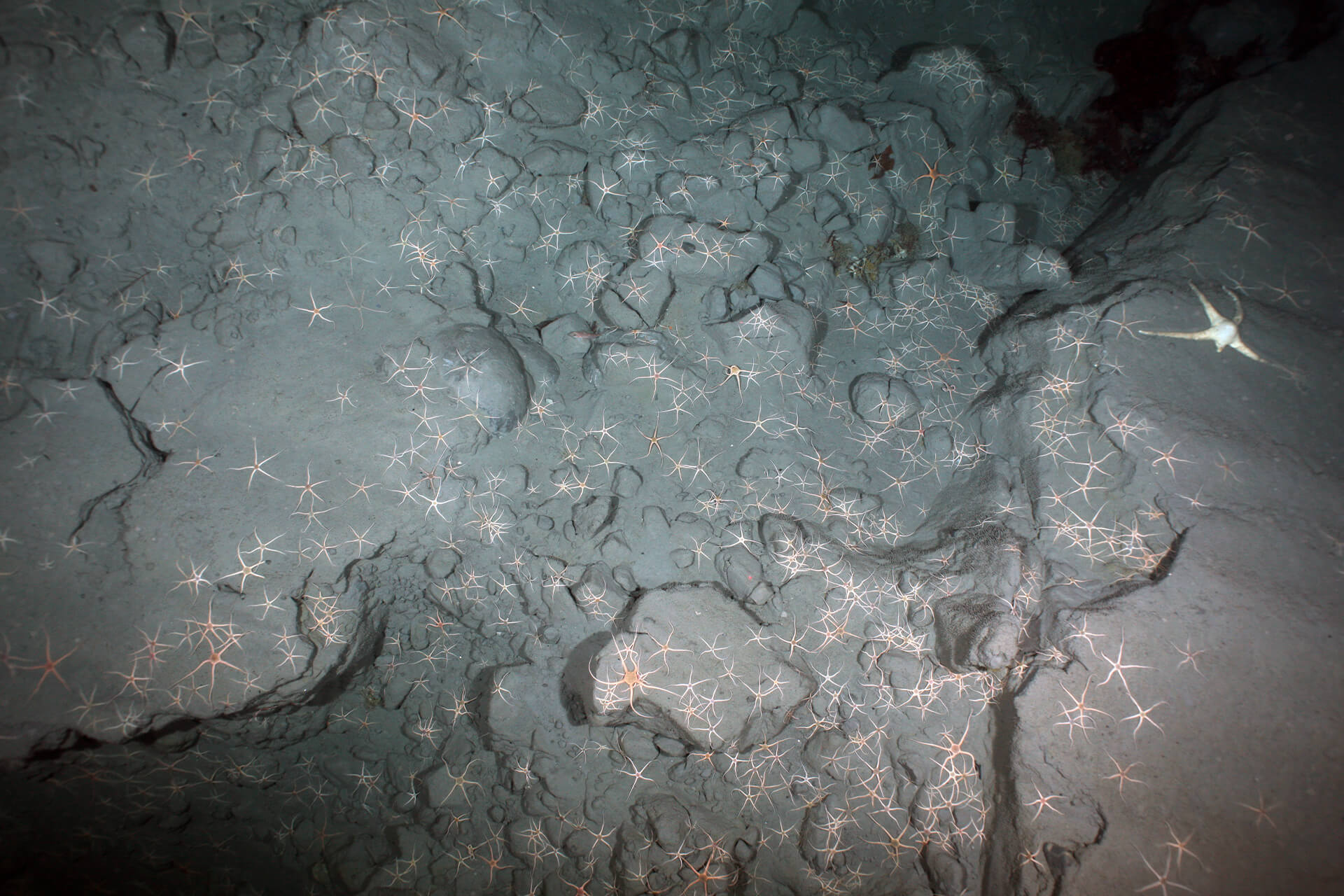
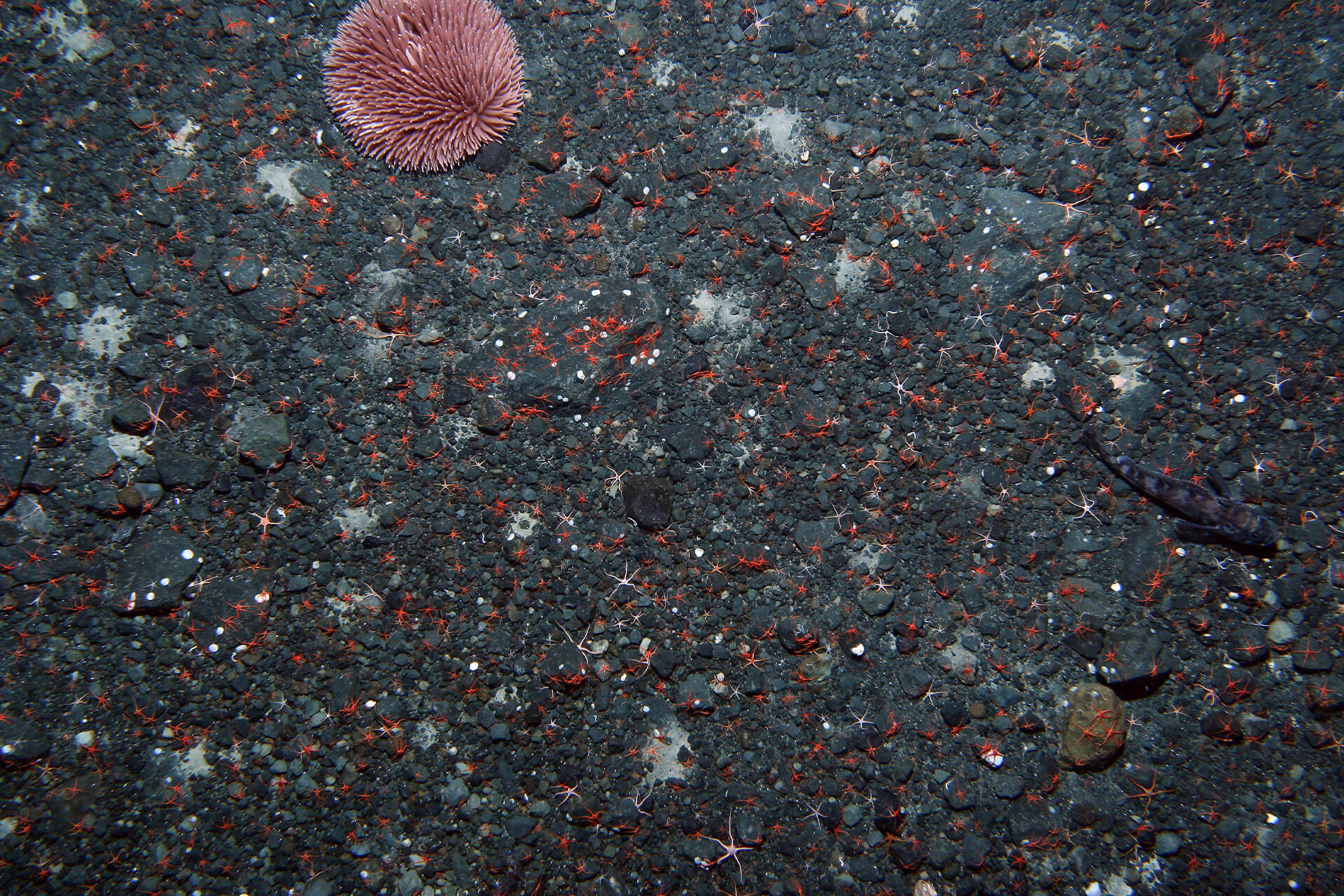
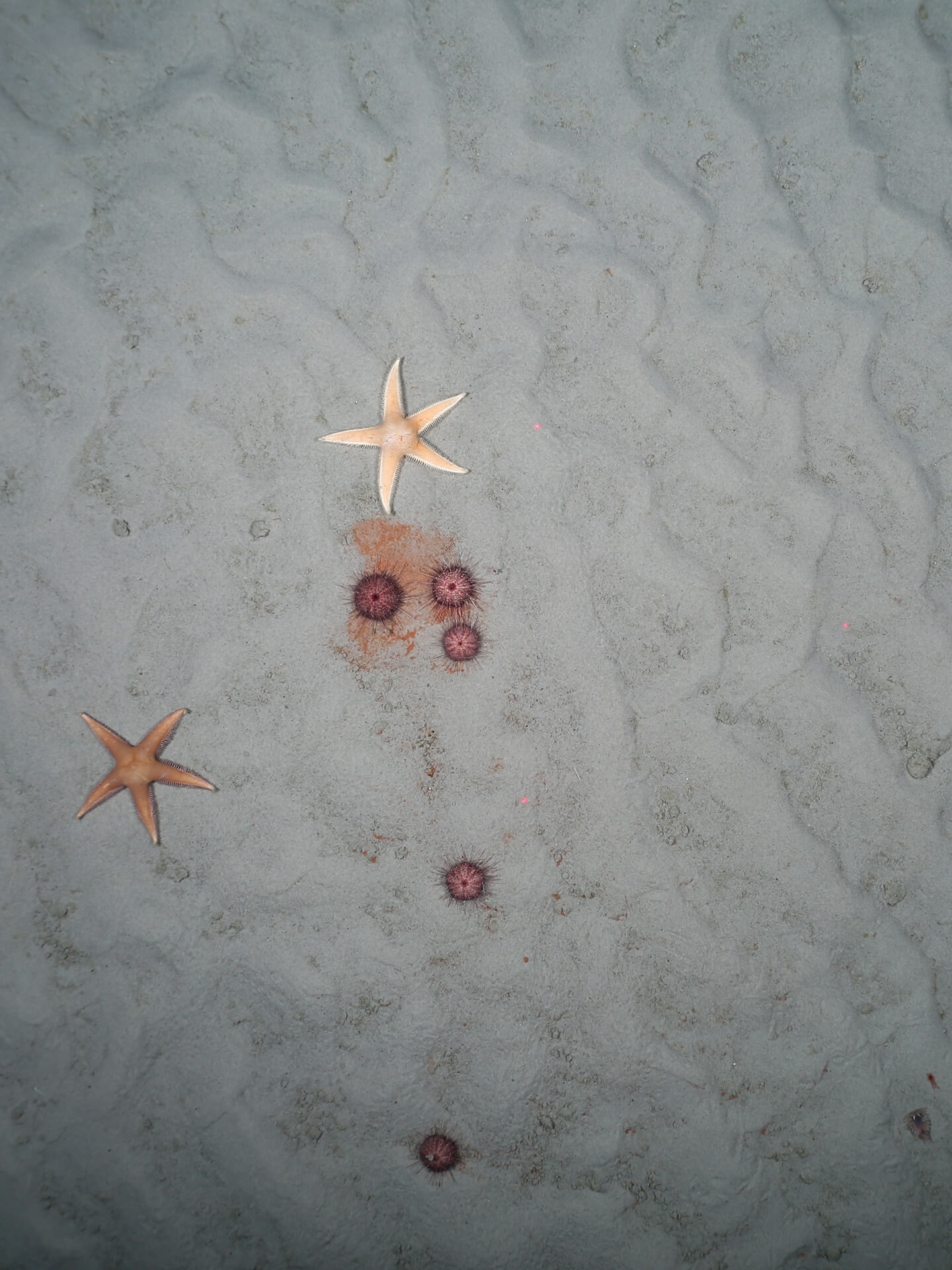
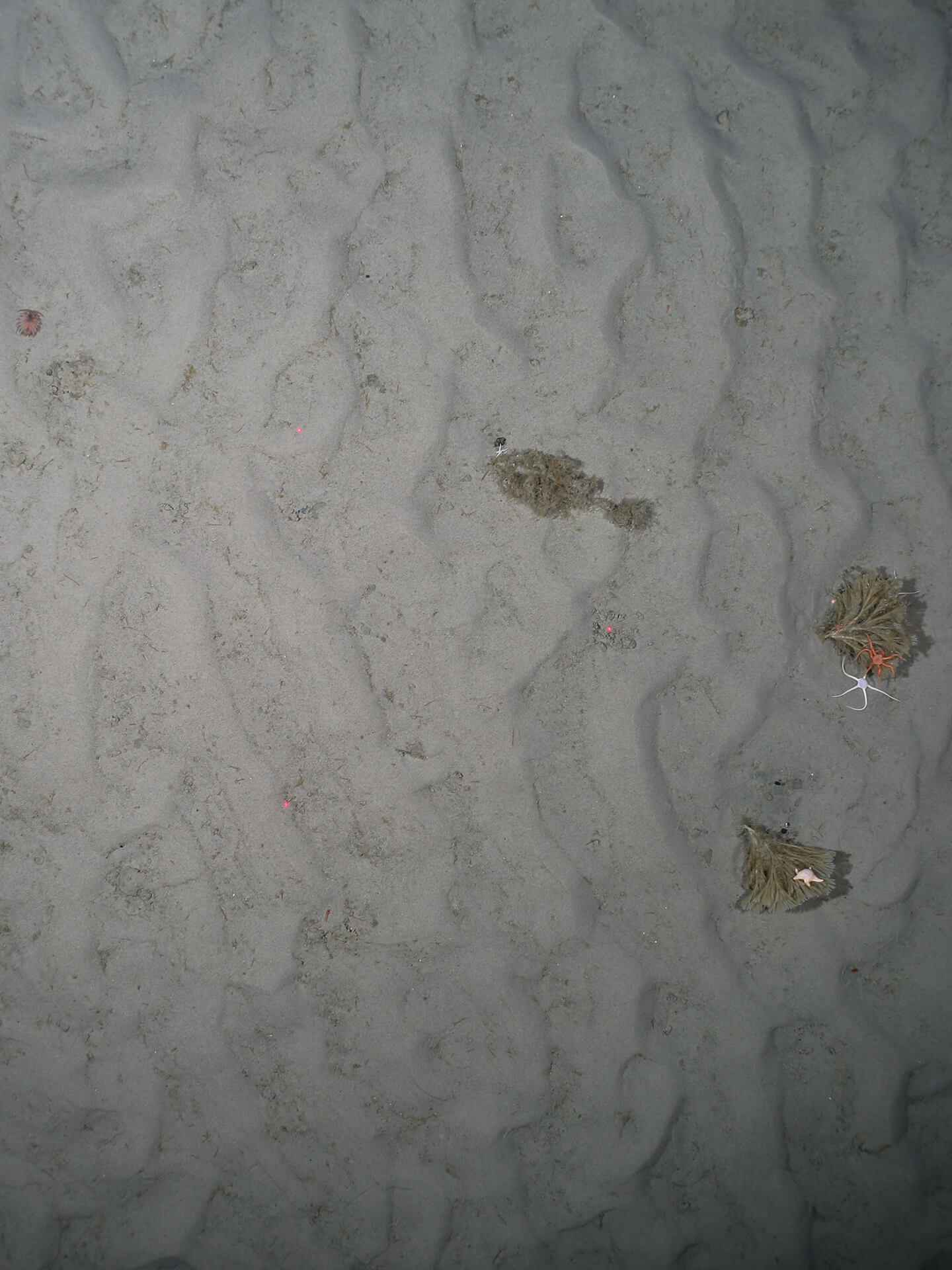
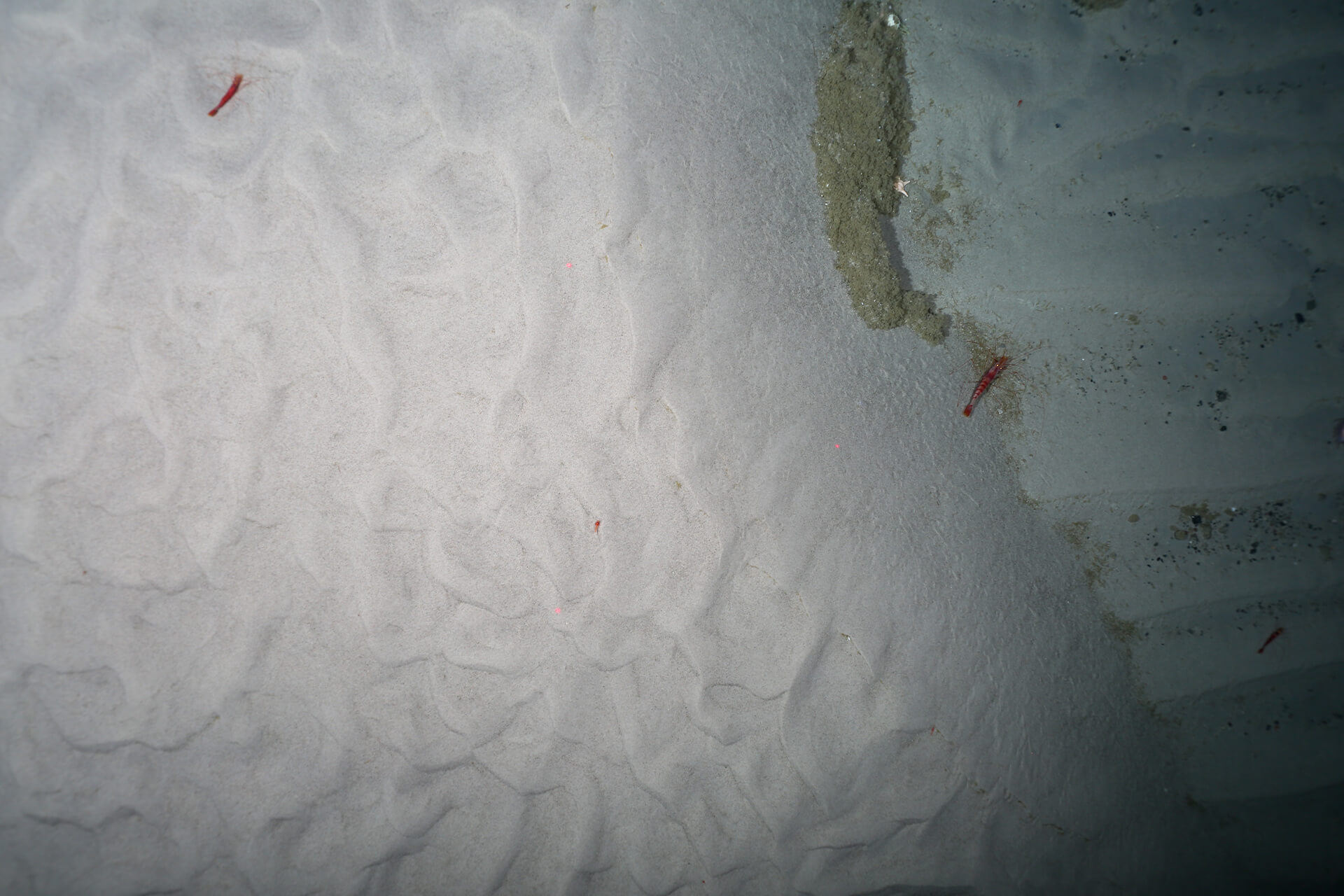
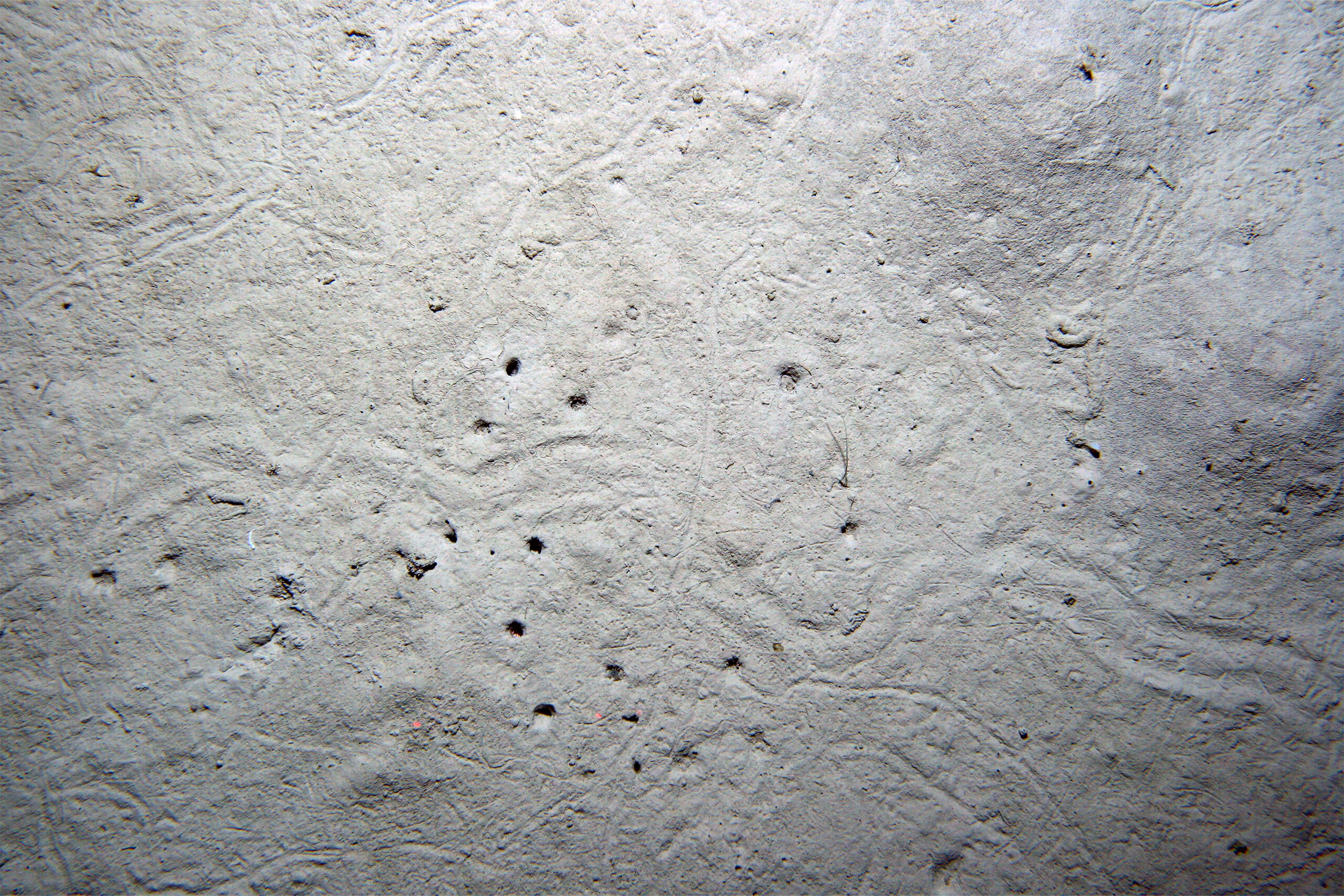
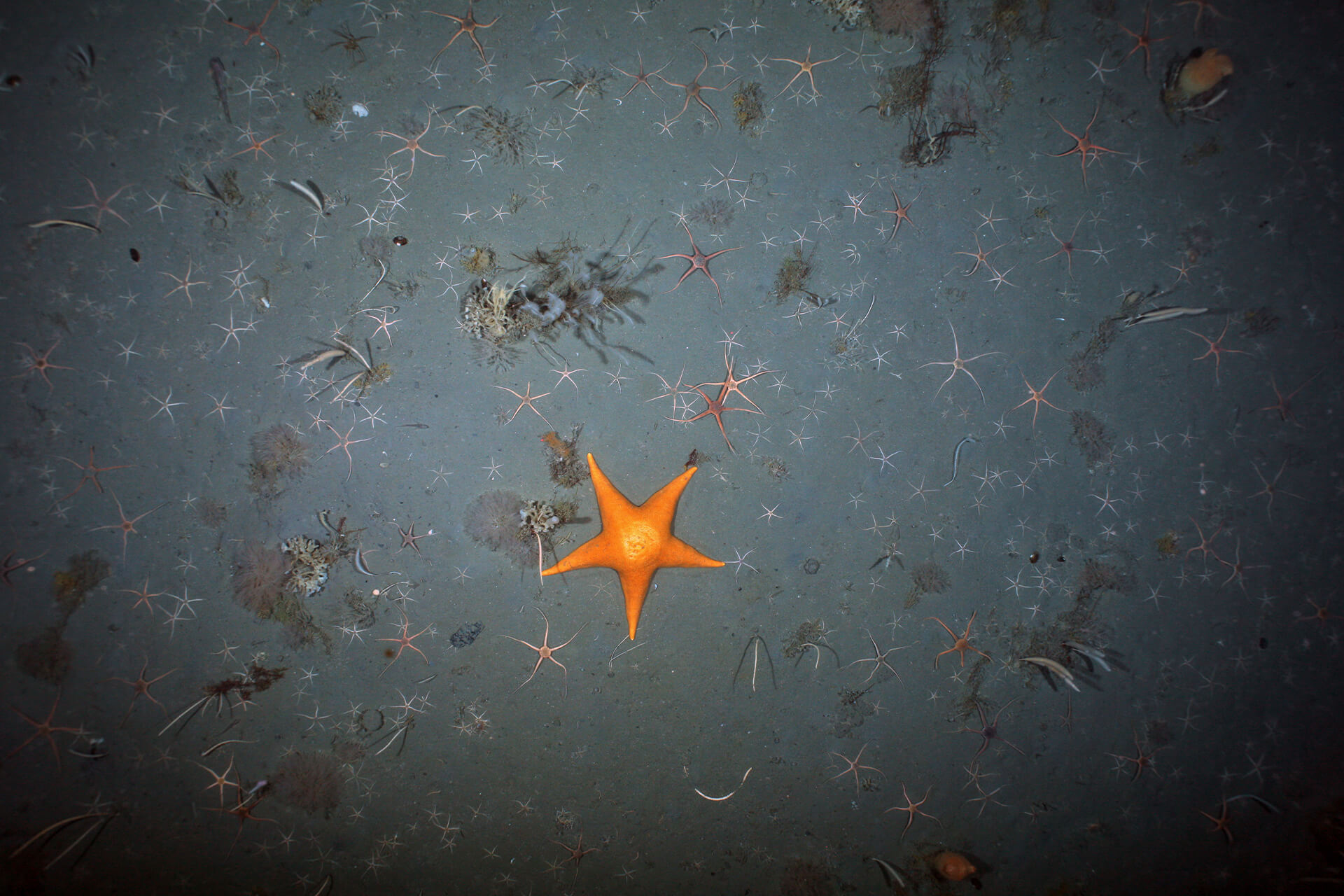
Much of this area is covered by fine sediments delivered and reworked by ice, currents and gravity. These muddy plains support animals adapted to soft-bottom living, including burrowing, crawling and deposit- or suspension-feeding invertebrates, forming a living seafloor beneath what can seem like a uniform sediment plain.

Islands on the seafloor

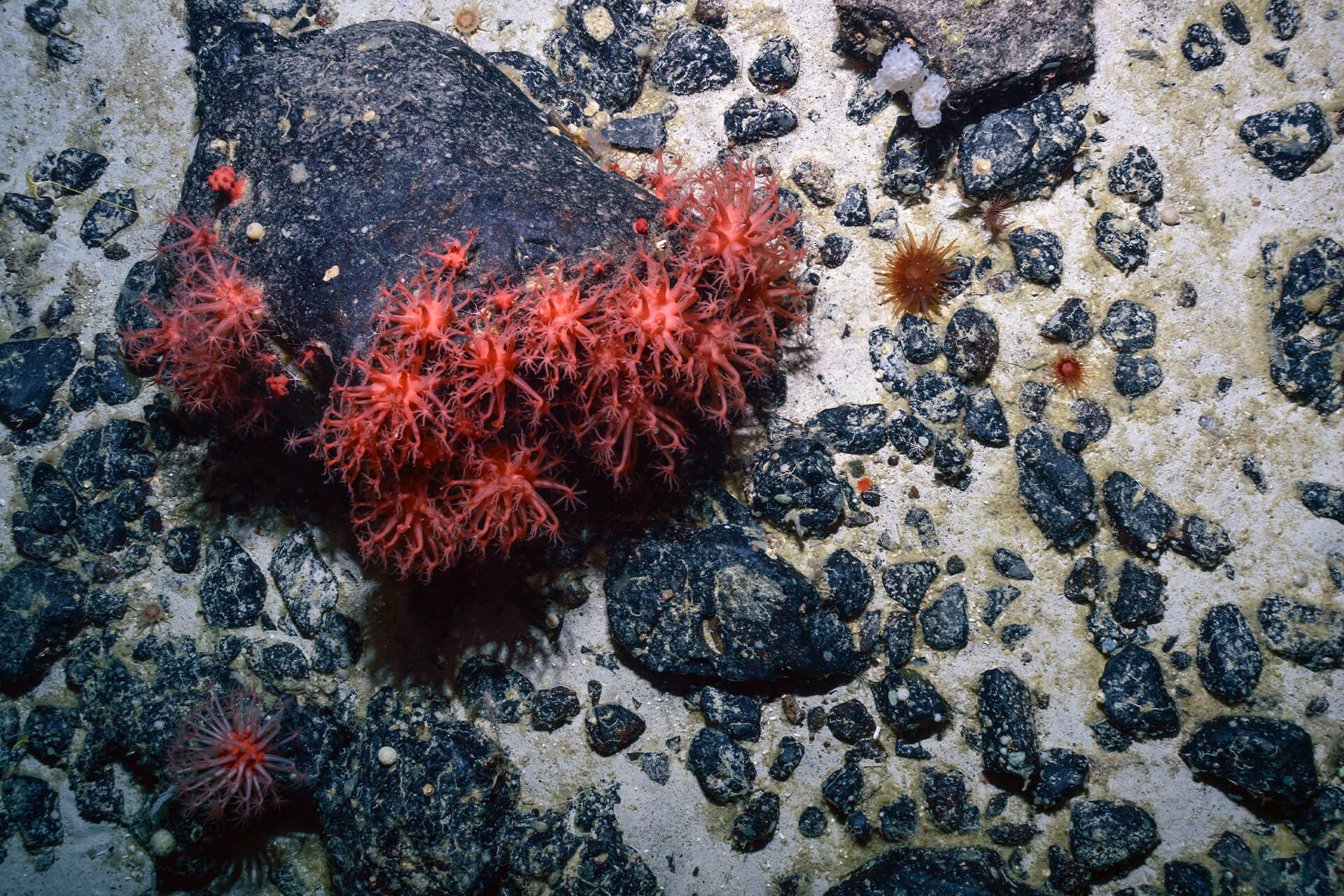
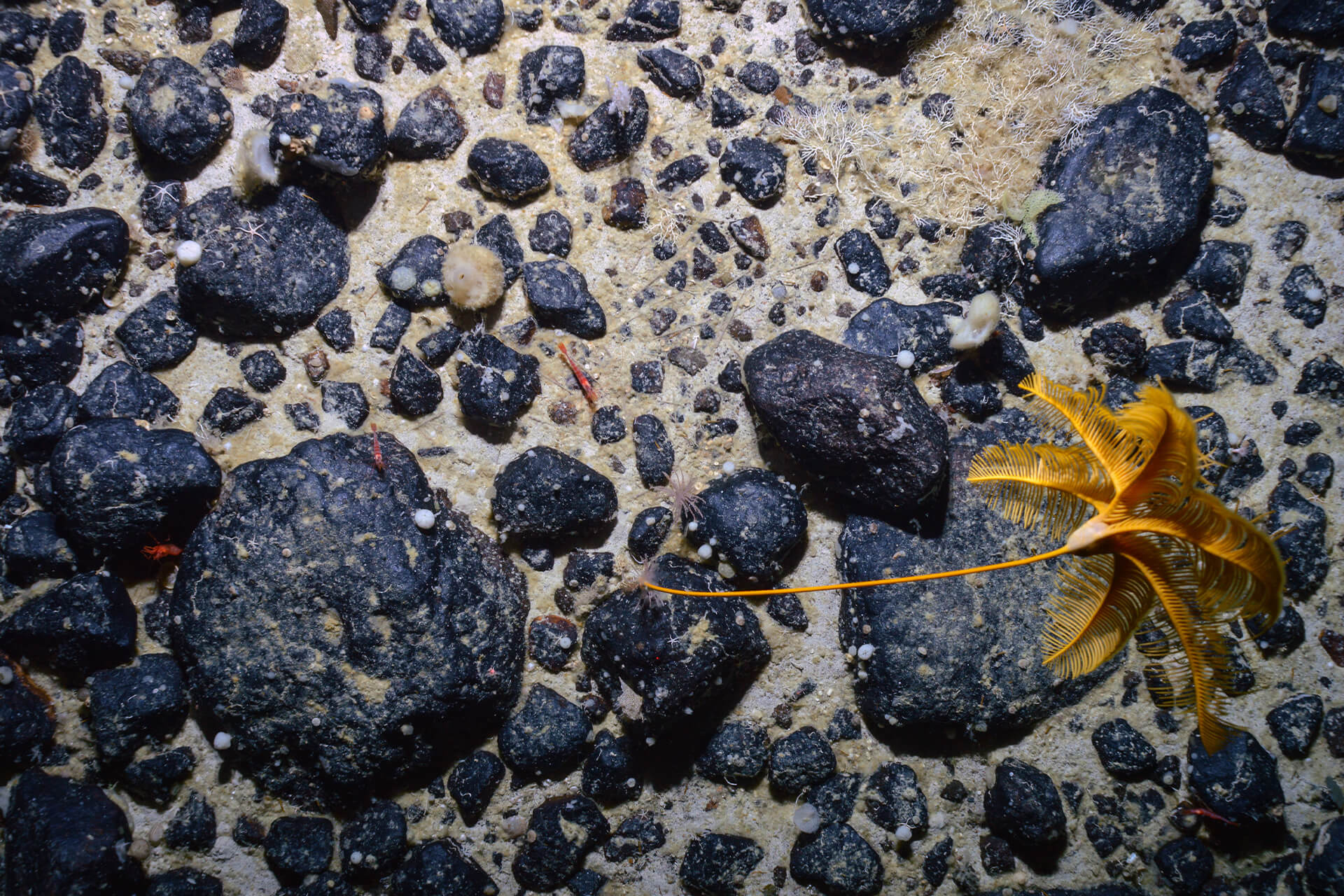
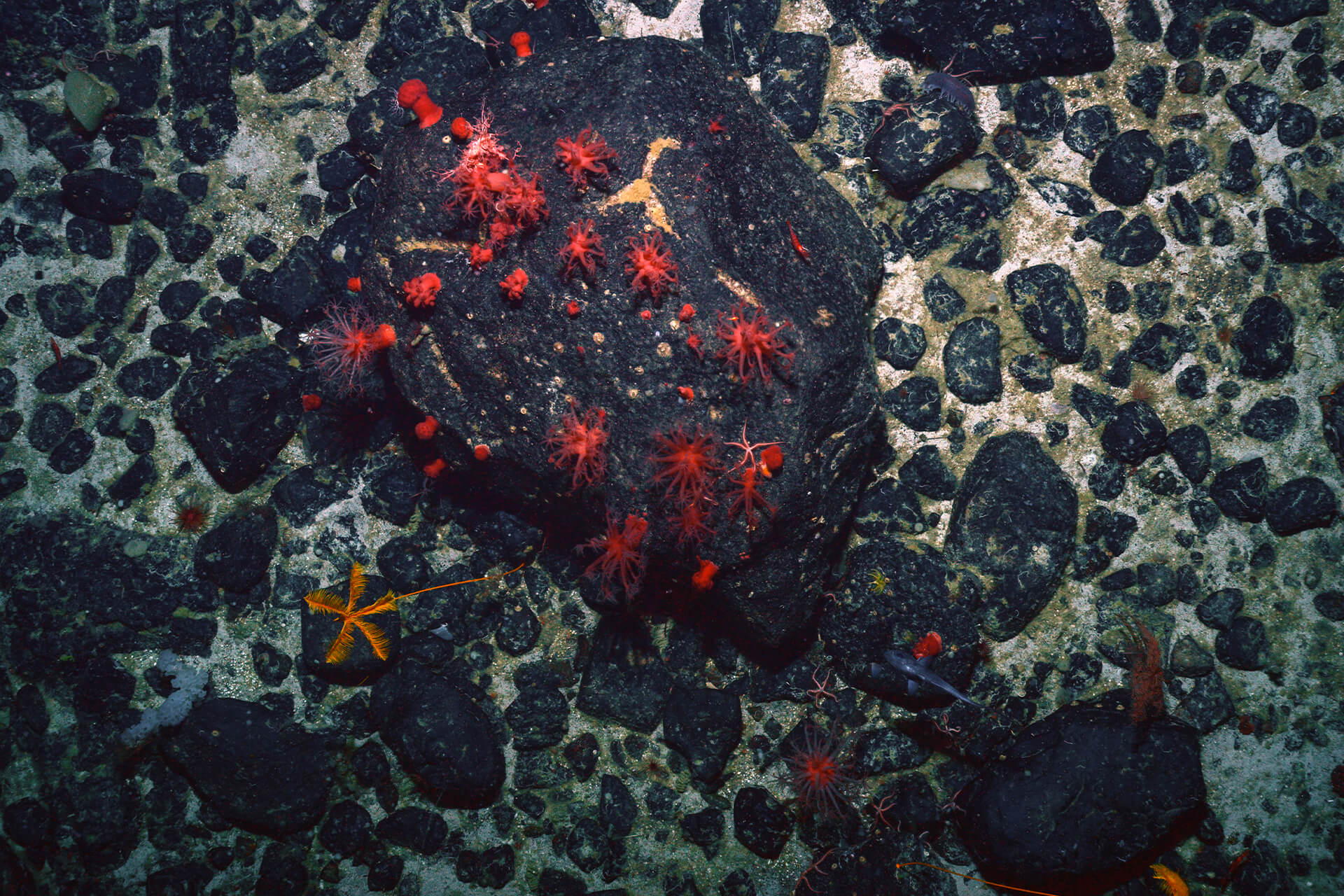
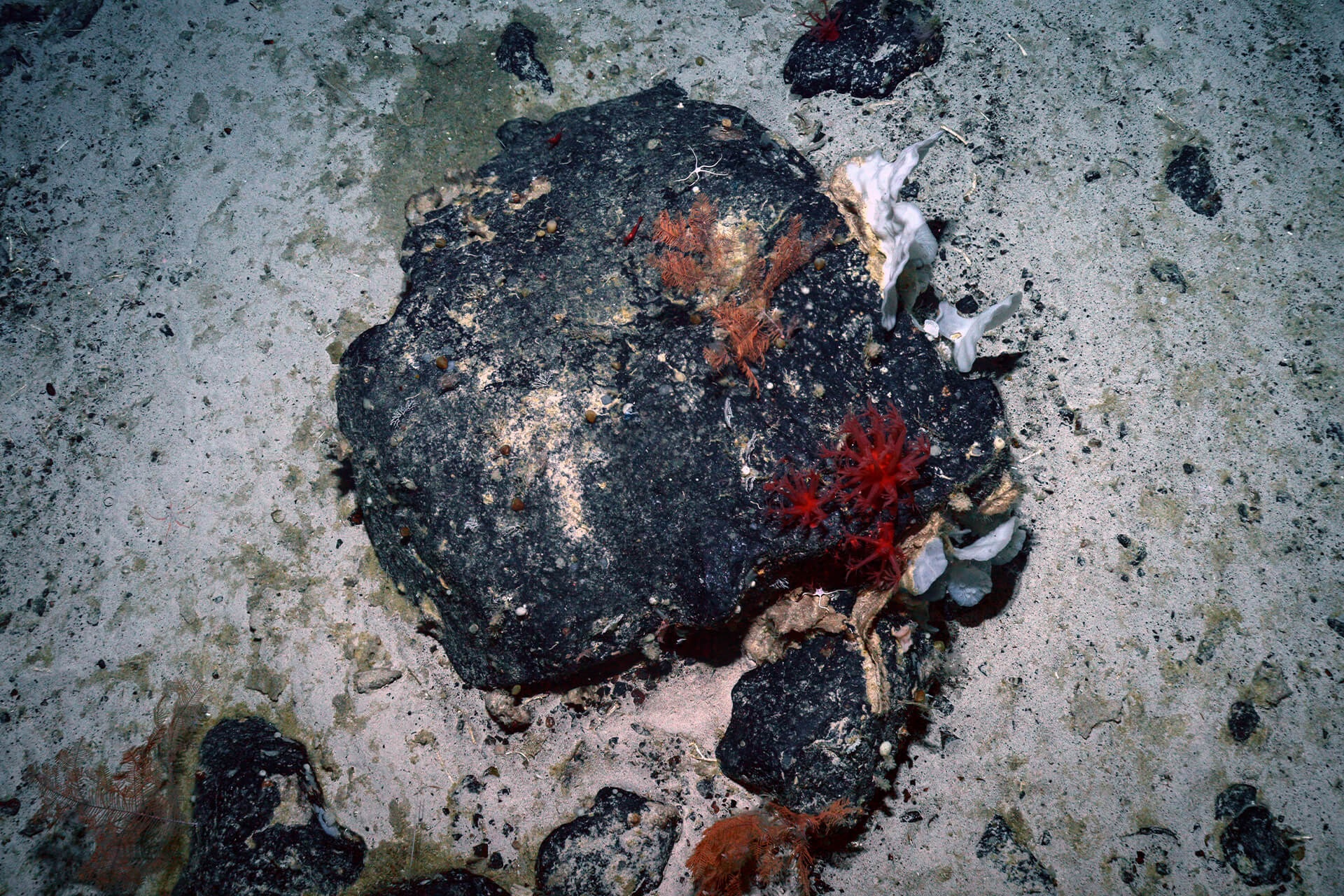
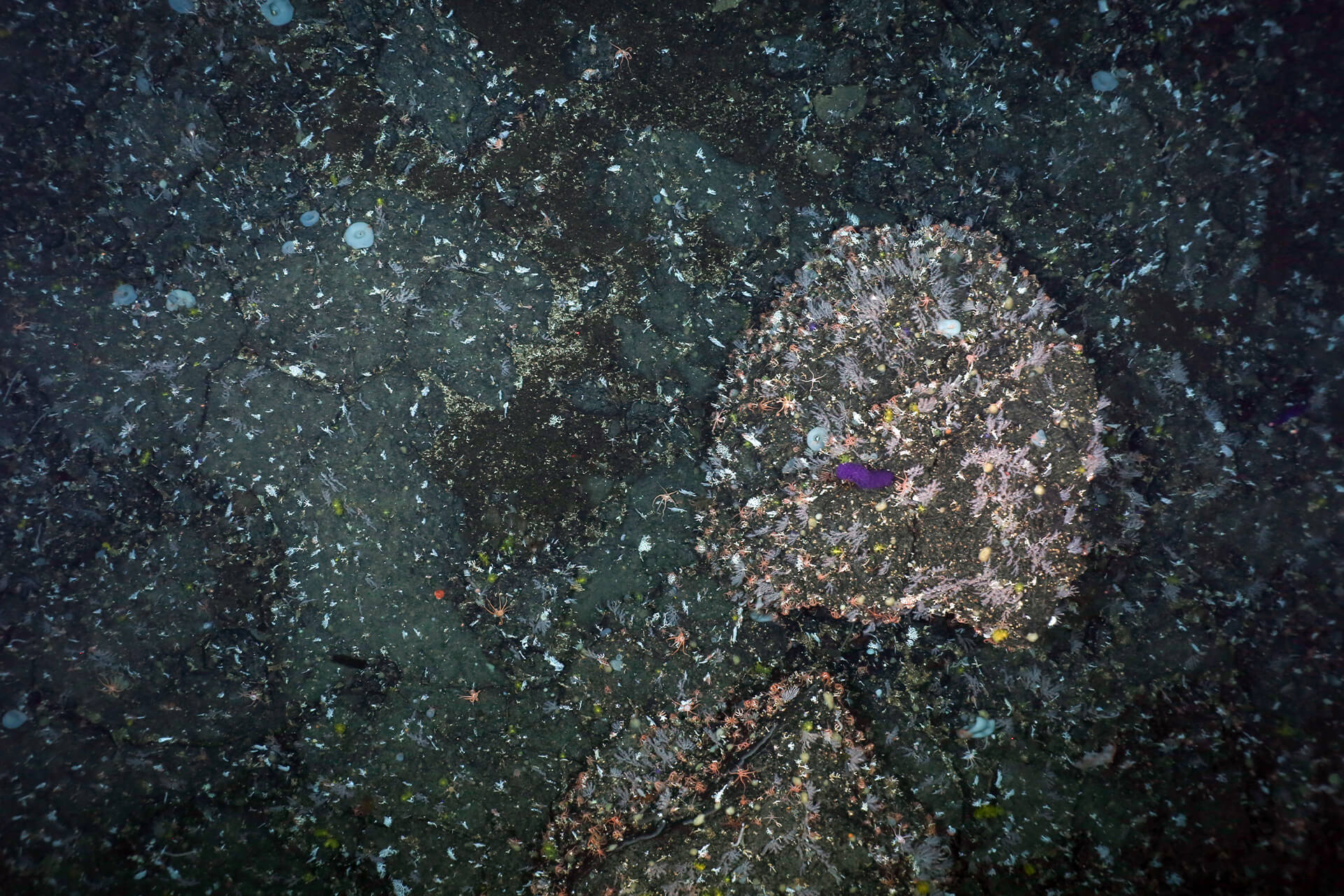
Rocks carried out from land in glaciers and icebergs are released onto the seabed as dropstones when the ice melts. In an otherwise sediment-dominated environment, these scattered stones provide hard substrate islands where sponges, corals and other attached organisms can settle, adding structure and diversity to an otherwise muddy plain.

Where the icefish gather

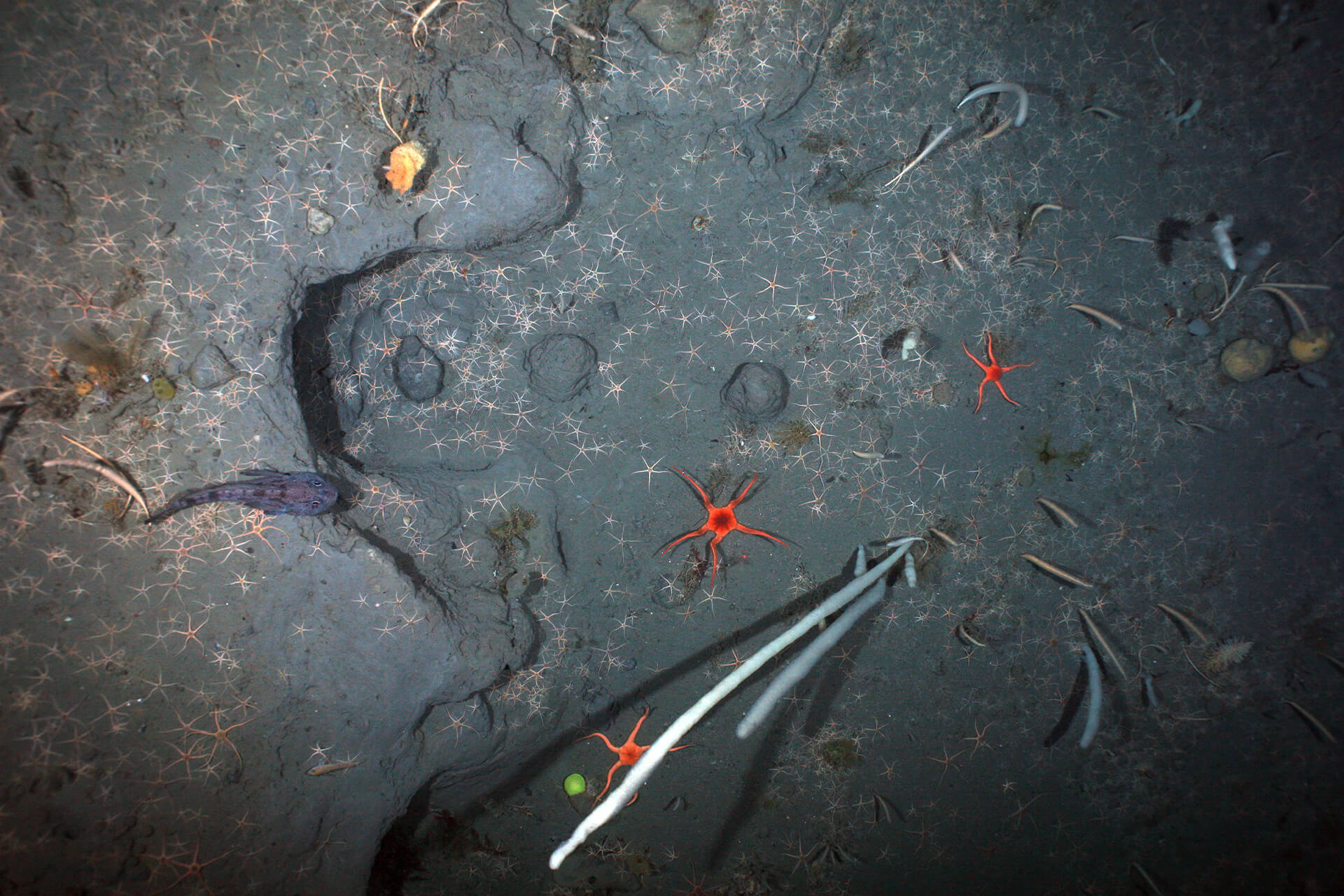
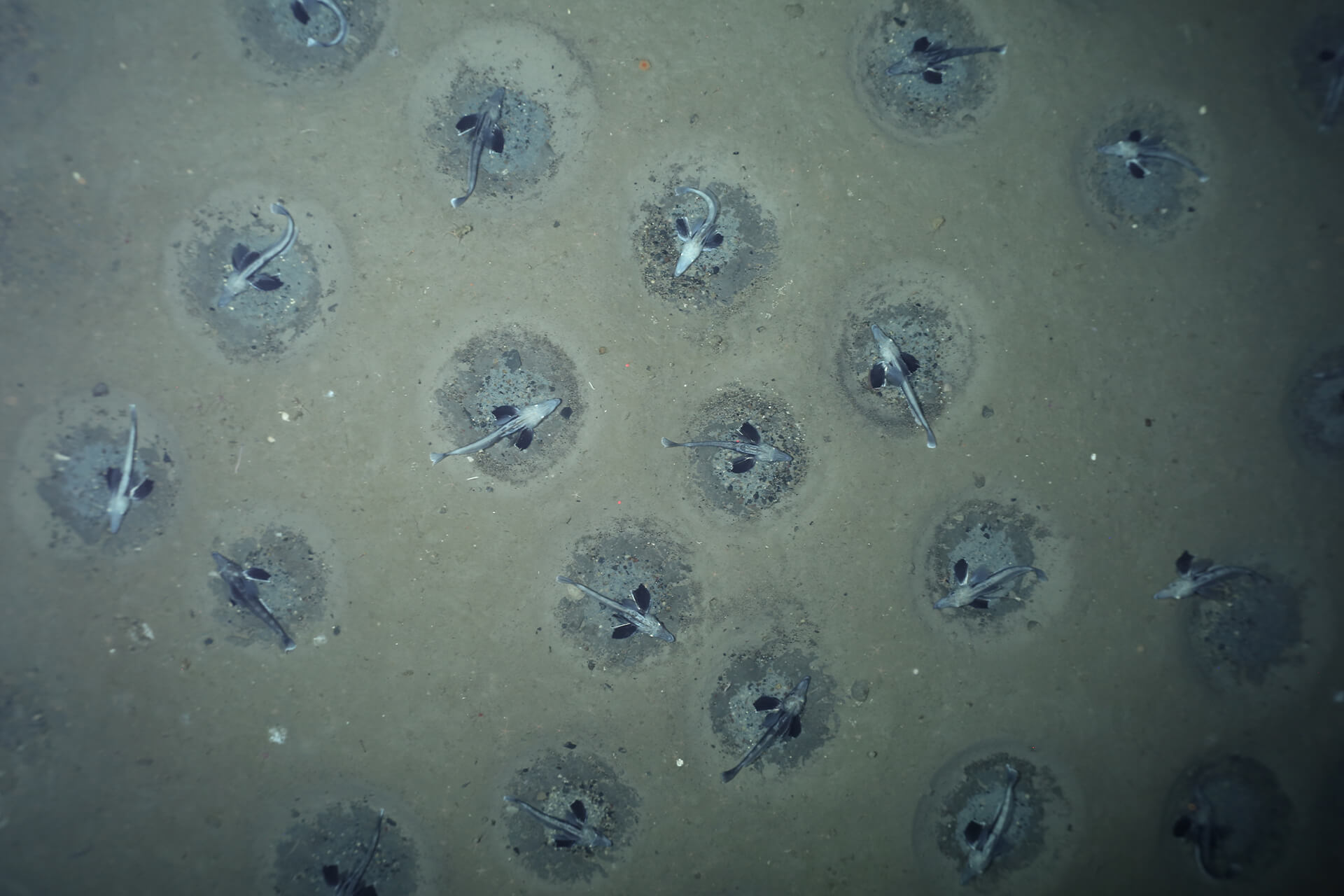
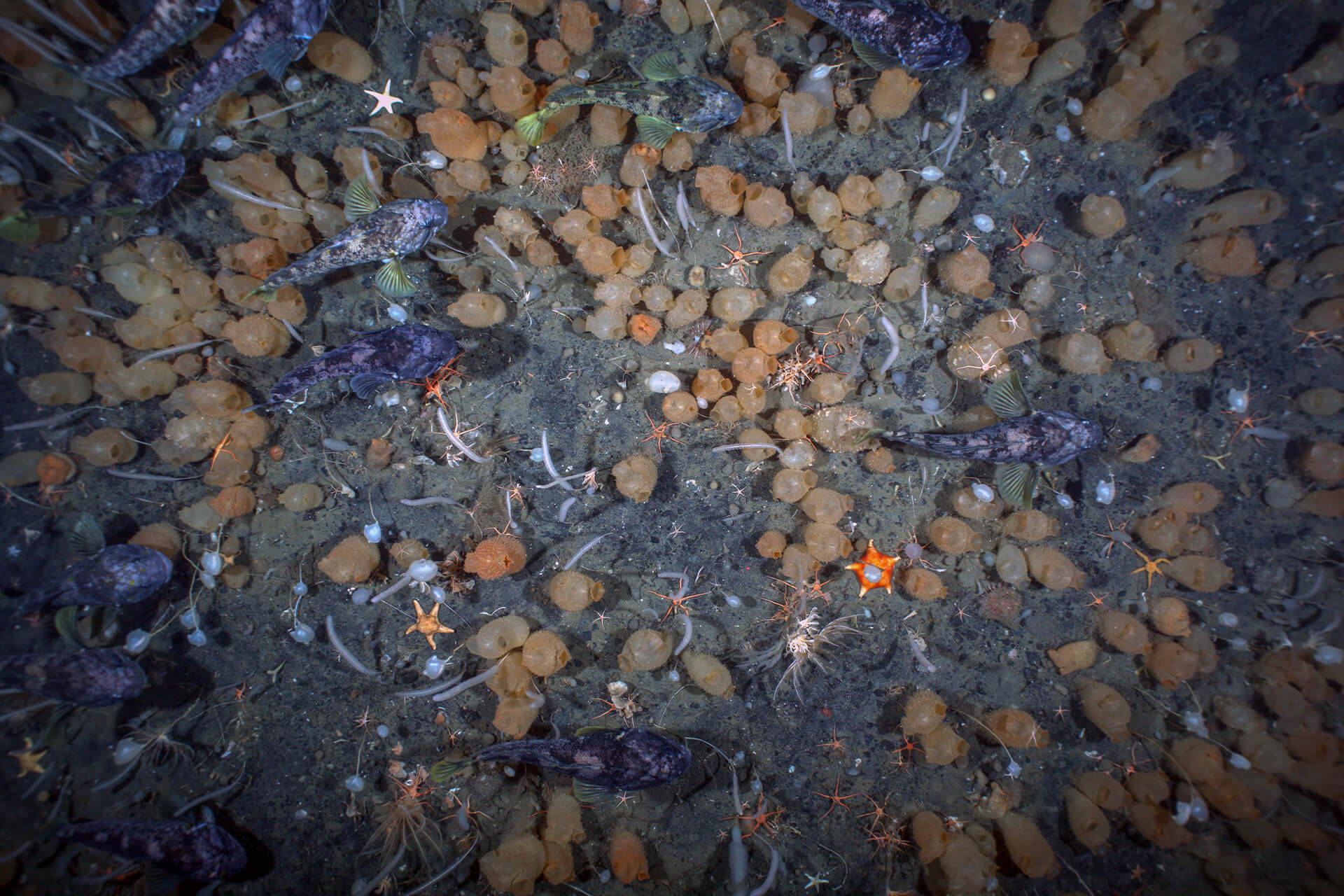
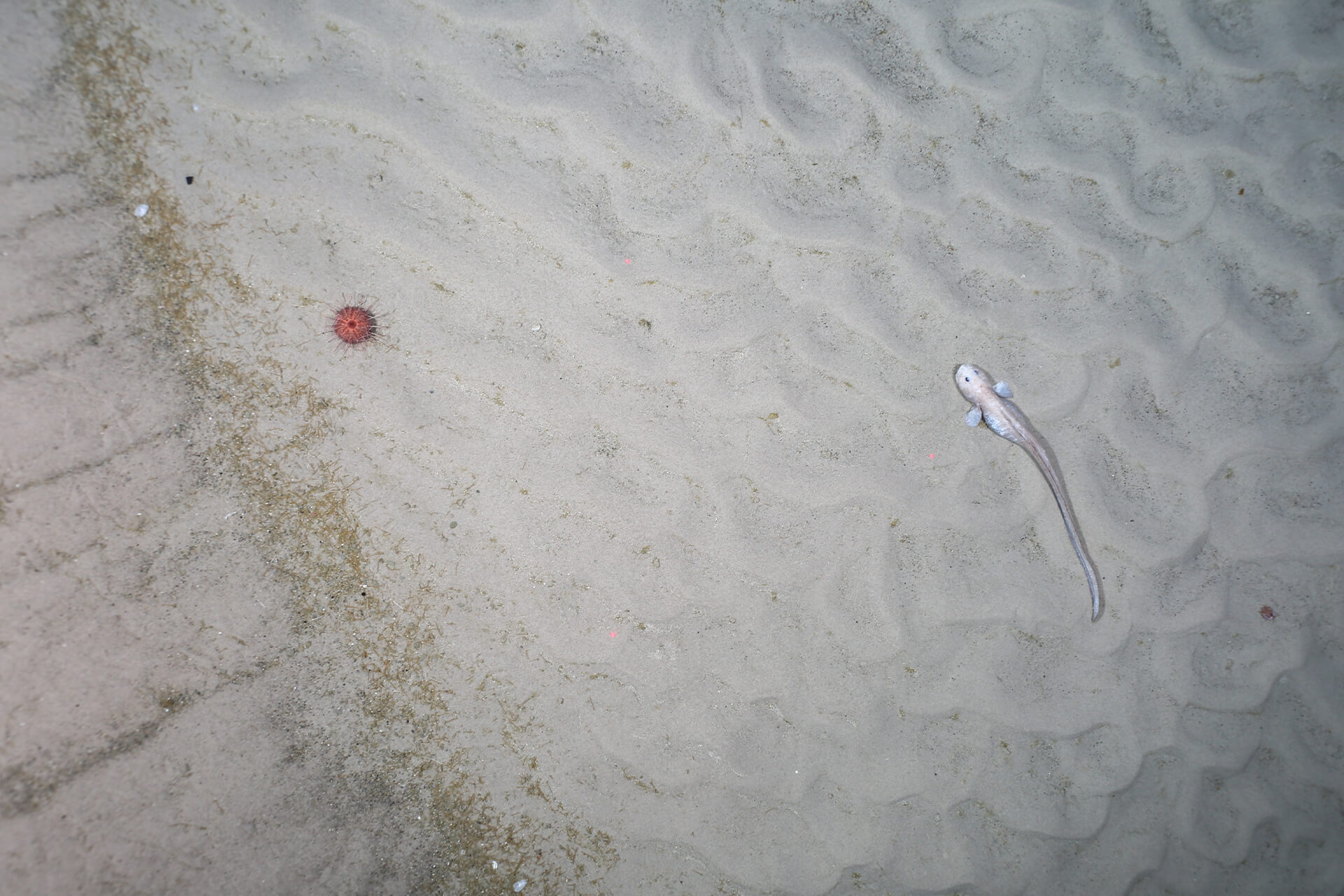
Antarctic icefish (Neopagetopsis ionah) live on the seafloor in near-freezing water hundreds of metres below the surface. Pale-bodied and lacking haemoglobin in their blood, they are adapted to conditions that exclude most other fishes. In the cold, oxygen-rich waters of the Antarctic shelf, they thrive.

In the southern Weddell Sea, scientists discovered an enormous breeding colony spread across the seafloor. Covering about 240 square kilometres, it contains an estimated 60 million nests, each a shallow hollow cleared in the sediment and usually guarded by a single adult protecting around 1,700 eggs.

The nesting area coincides with slightly warmer deep water rising onto the continental shelf, creating favourable conditions for breeding. What seems to be a quiet sediment plain is, in places, a vast breeding ground containing tens of billions of eggs and more than 60,000 tonnes of fish biomass. Here, an apparently sparse seafloor becomes a major centre of life, supporting predators such as Weddell seals and helping redistribute energy and nutrients through the wider Antarctic ecosystem.

Communities shaped by currents

Persistent shelf-edge currents and local cross-shelf exchanges with deeper water move oxygen, food and larvae through the water column and across the seabed. Small differences in these flows create fine-scale patchiness in sediment, food supply and larval settlement. This heterogeneity supports highly diverse and varied communities, including many of the iconic Antarctic invertebrates assemblages, and demersal fishes living close to the seafloor.

The shelf falls away (700–1,500 m)

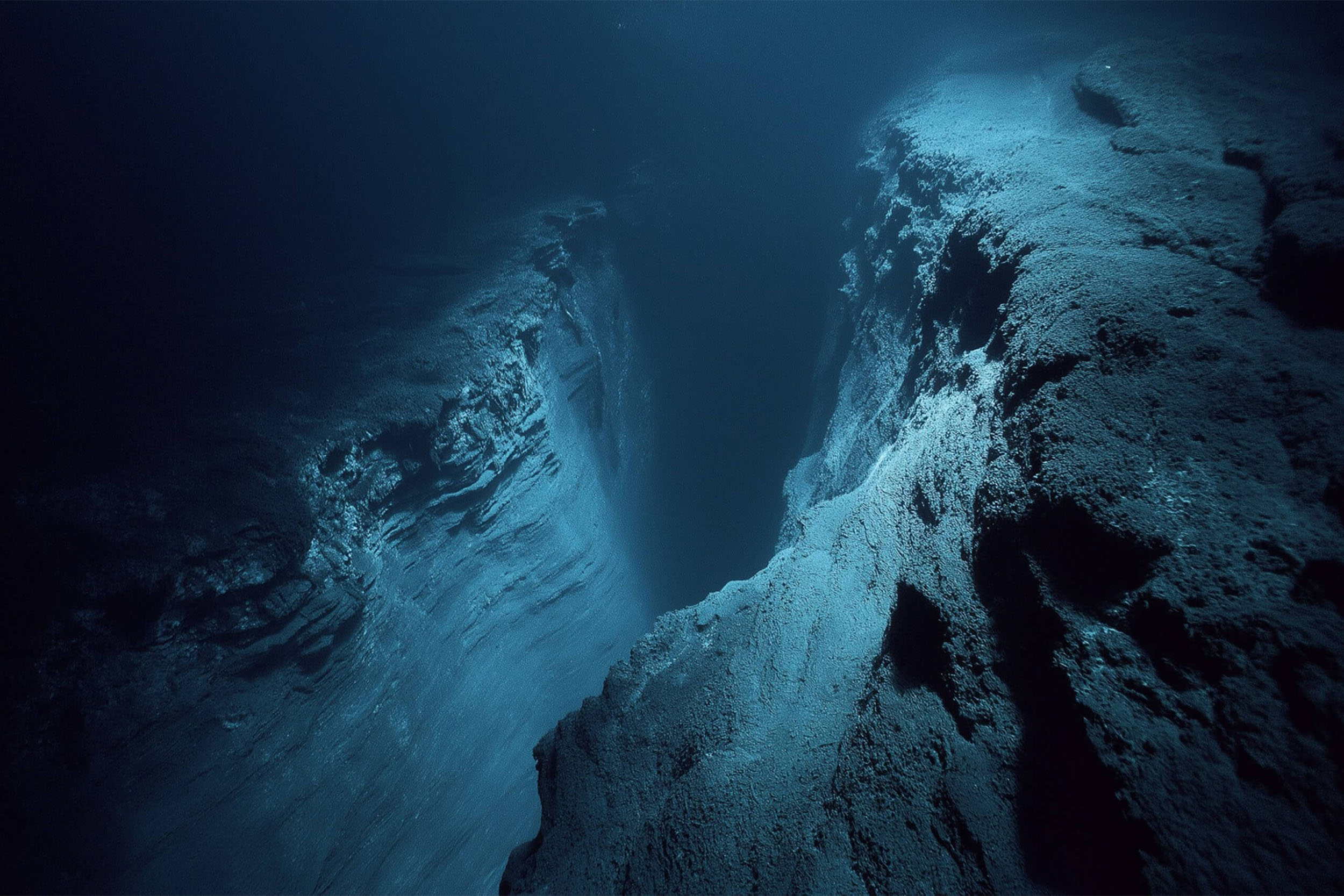
Here the broad Antarctic shelf gives way to a deepening slope – the continental crust thinned by stretching during the Gondwana breakup. Light disappears, deeper water masses begin to dominate, and the seafloor becomes a darker, more uneven world of soft sediments, rocky outcrops and deep channels that concentrate food and life in the dark.

A world without light

Below the shelf break, all trace of sunlight is gone. Life here no longer depends on light reaching the seabed, but on food sinking from above or being carried down from the shelf. In this darkness, the upper slope becomes a quieter, colder world shaped by what arrives from elsewhere.

Where waters meet

This is a transition zone where cold shelf waters begin to mix with deeper ocean water masses. Changes in temperature, salinity and oxygen help determine which species can persist here, marking a shift from shelf-based communities to deep-water fauna.

Life in patches

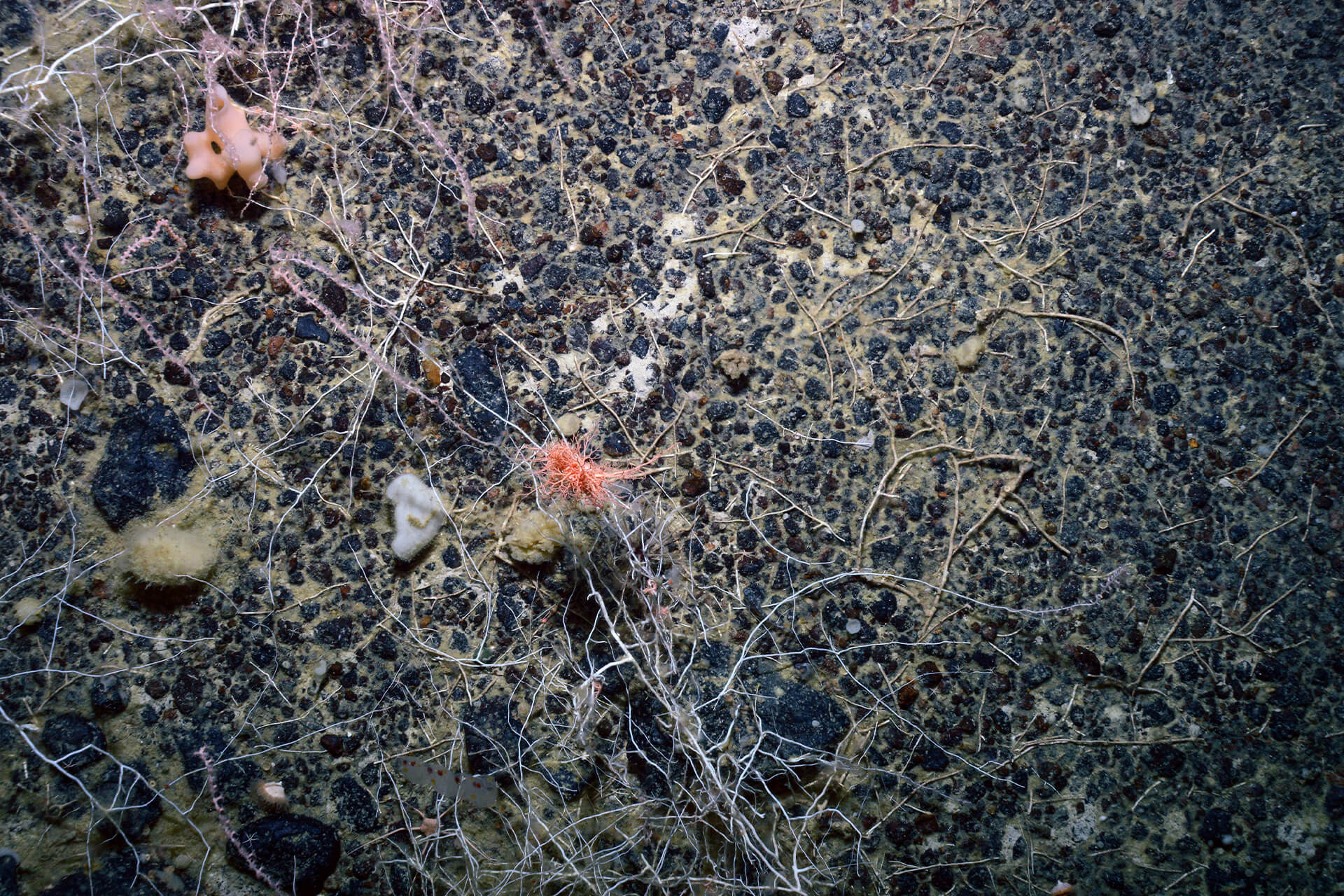
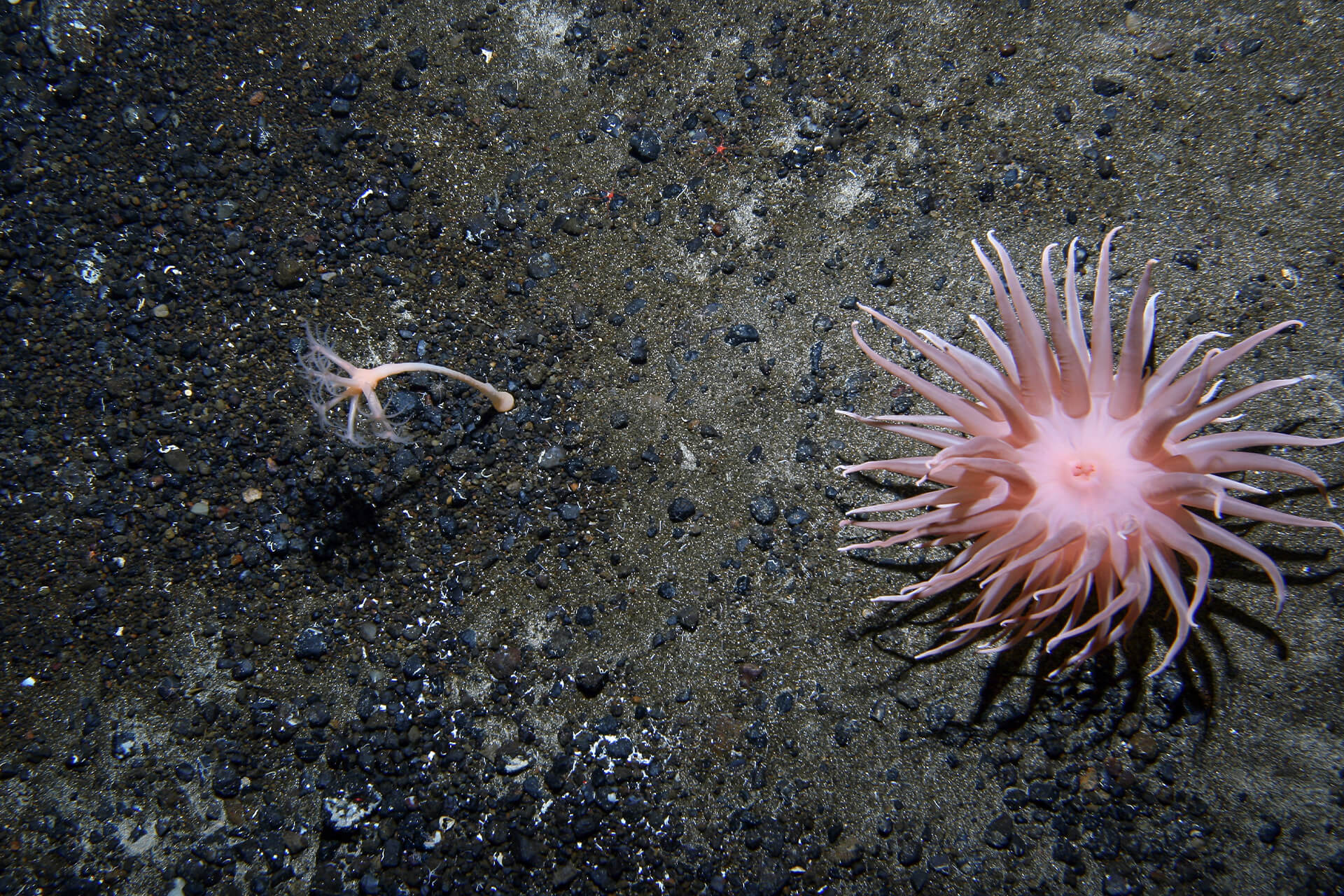
Much of the upper slope is soft sediment, but the seabed is far from uniform. Sparse muddy plains give way to rocky ground, coral and sponge patches, and animals adapted to life close to the seafloor, including fishes, squid, octopus and large crustaceans. Across this zone, life becomes patchier, and the fauna shifts from shelf species toward true deep-sea communities.
Channels into the deep

As sea ice forms, dense, hypersaline water is pushed below the ice. Heavier than the surrounding water, it sinks and freezes as it descends, forming an icy tube known as a brinicle. When this icy finger reaches the seafloor, it can spread rapidly sideways as anchor ice, freezing everything in its path.

The long descent (1,500 – 3,000 m)

Food is scarce, darkness is complete, and life slows to a rhythm shaped by cold, pressure and the long descent of organic matter from above.

The true deep sea

By 1,500 metres, the Antarctic margin has entered the true deep sea. Sunlight is gone, pressure is immense, and the seafloor lies in cold, stable darkness. Life persists here under conditions that change little from day to day, but everything depends on what arrives from far above.

Living on little

Food is scarce on the lower slope. Most animals rely on a slow rain of organic material sinking from the surface, along with whatever is carried downslope from shallower waters. In this energy-limited world, every small burst of food matters.

Life in slow motion

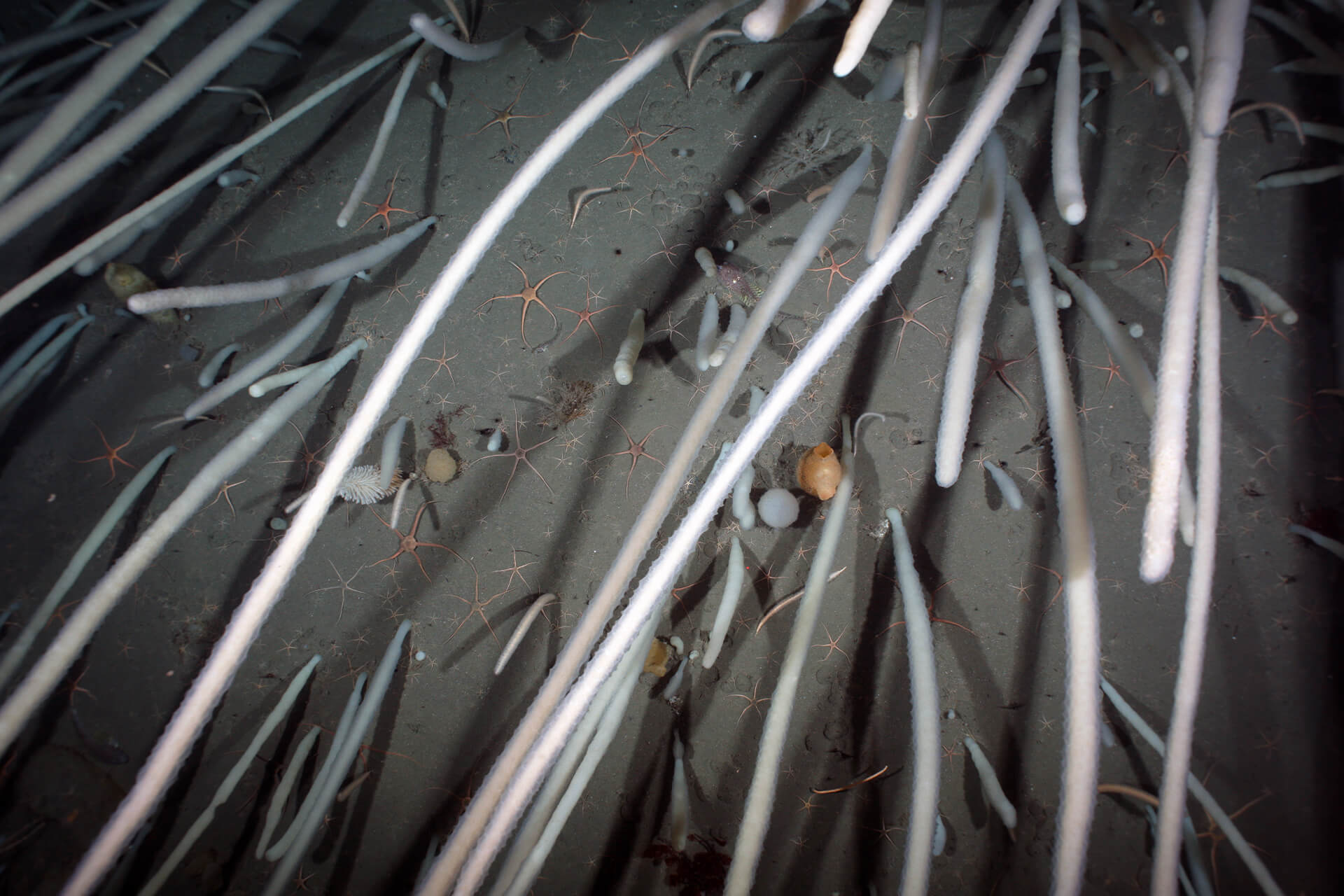
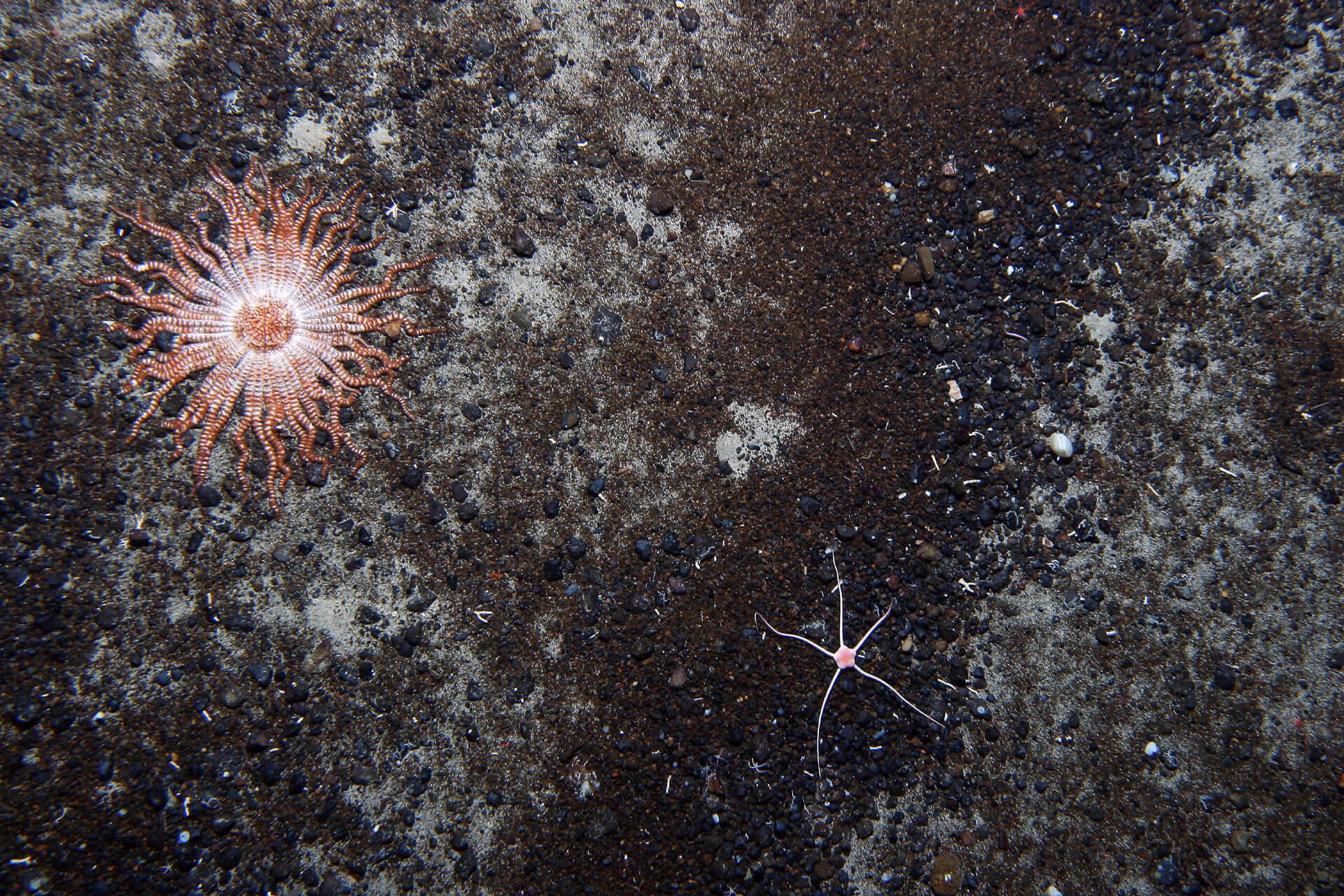
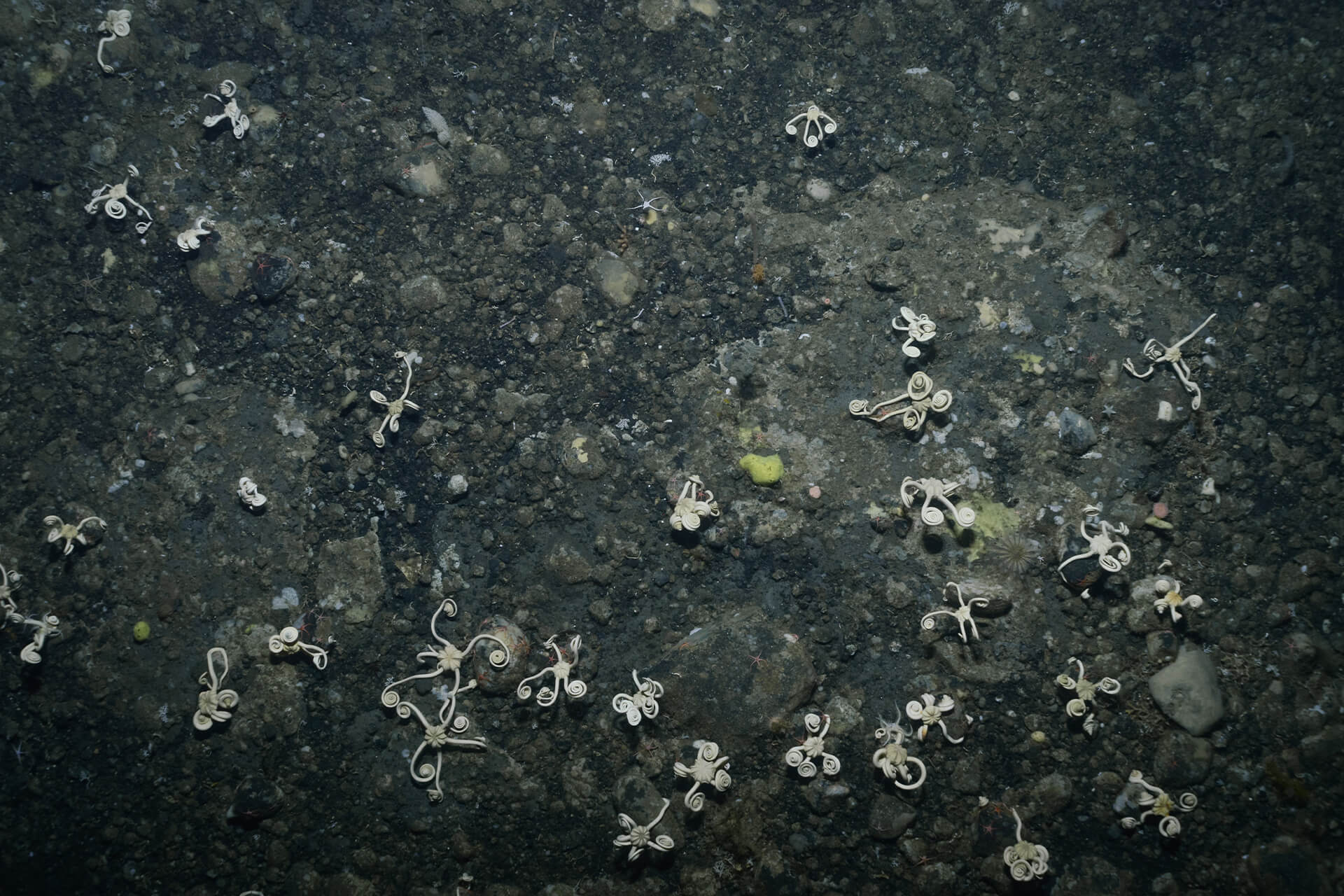
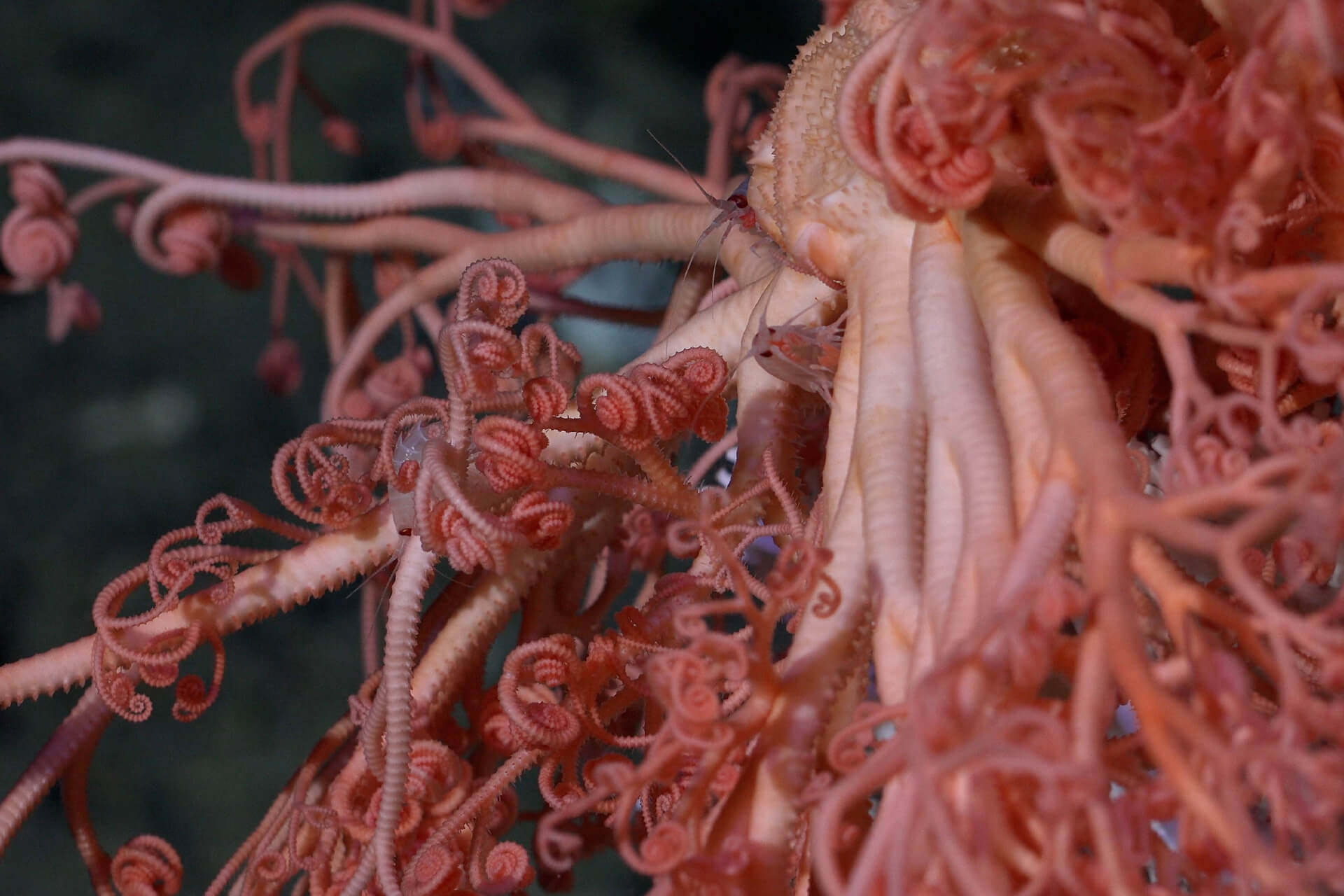
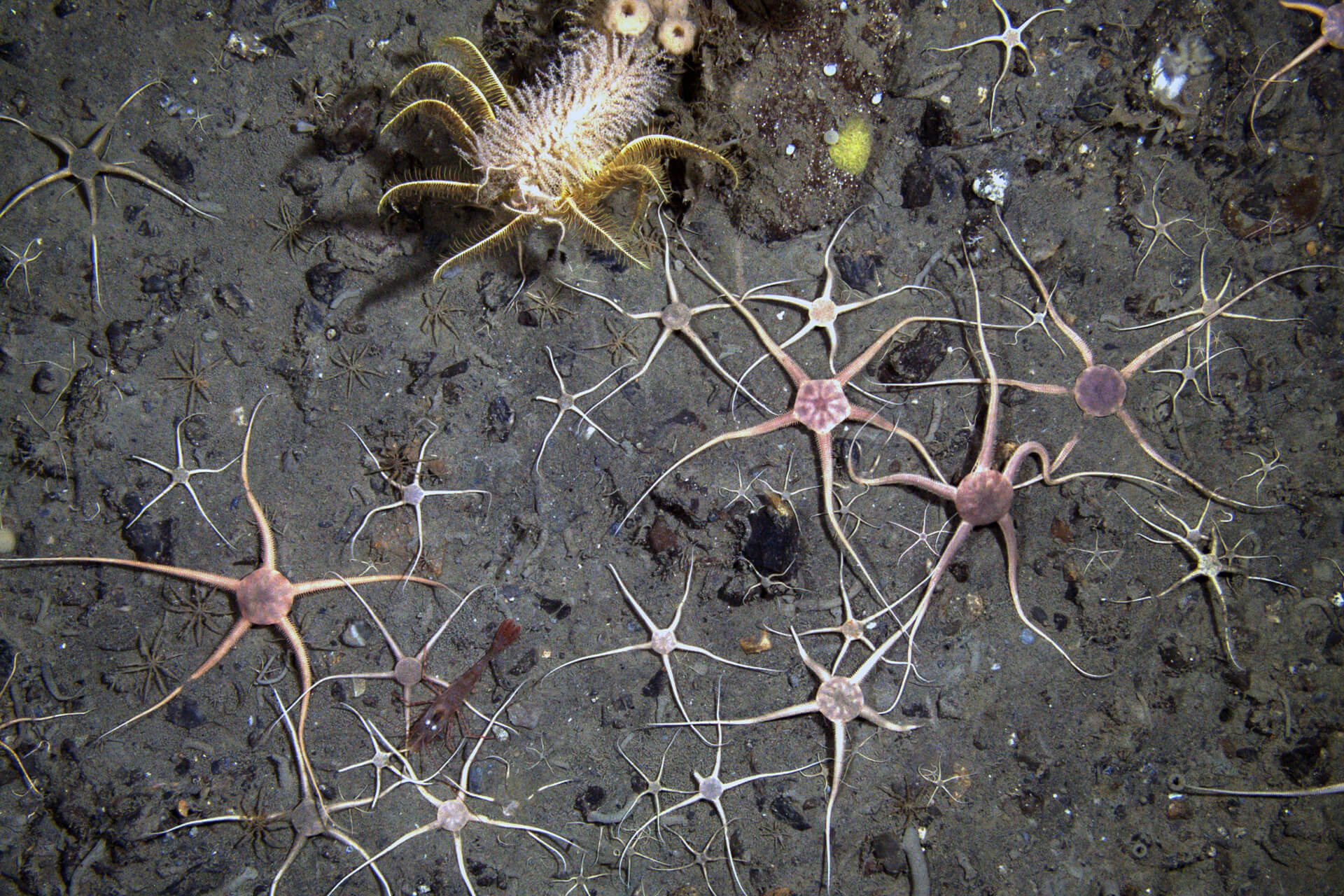
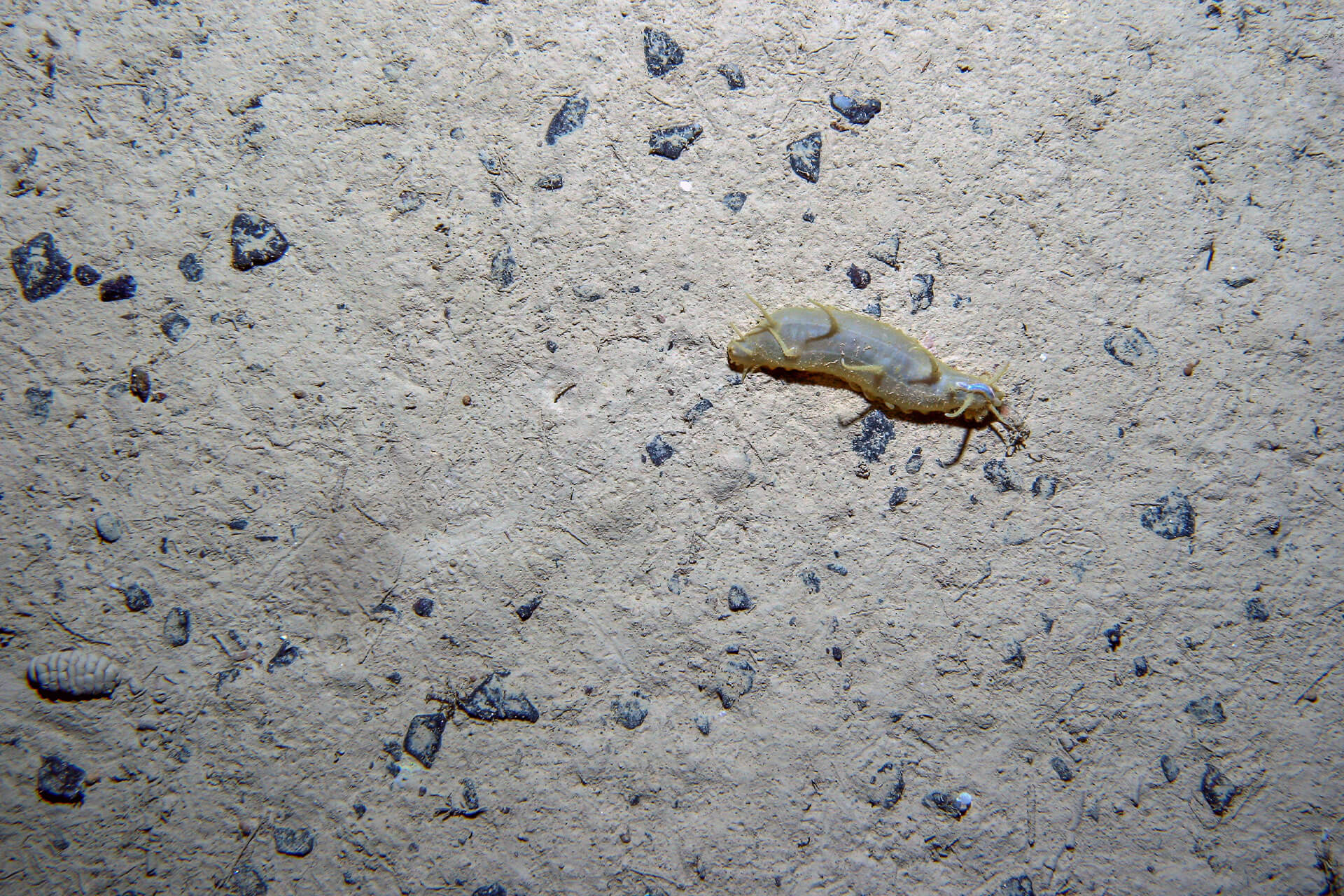
On the lower slope, life unfolds slowly. Though the seafloor may look sparse, bioturbators are embedded in the sediment. Sea cucumbers, brittle stars and polychaetes feed on and within the sediment, constantly reworking it as they move. Above them, fish and scavengers glide silently through the darkness. Here, animals move slow, grow slow, and may live for centuries.

The abyssal plain (3,000+ m)

Beyond the continental slope, the Antarctic seafloor opens onto the abyssal plain: a vast, near-freezing world of darkness, immense pressure and very little food. Life persists here at low density and slow pace, across one of the most remote and least observed environments on Earth.

Life at the edge of scarcity

Food is extremely limited, and animals depend on a thin rain of organic material sinking from the waters above. Biomass is very low across the seafloor, but when a larger food fall arrives from above, a whale carcass, or some other rare pulse of organic matter, the quiet shifts abruptly, bringing a brief burst of feeding and activity to a world that usually survives on very little.

A living frontier

The abyssal plain is one of the least observed marine environments on Earth. These depths are largely beyond the reach of even Remotely Operated Vehicles. The glimpses we have seen suggests a sparse but persistent living seafloor, where highly specialised animals endure across a vast, hostile, and unknown Antarctic landscape.

Sonar Pulse Icon

You have dived the depths