Antarctica.
A world apart.
Antarctica is different.
As the closest parallel we have to working on another planet, understanding this final frontier presents one of the last great challenges in marine science.
Antarctica is one of the most remote and unforgiving environments on Earth. Getting there is hard — working there safely is harder still. Antarctic expeditions require the kind of logistics and self-reliance more often associated with space missions. Work here is defined by careful planning, specialised equipment, total dependence on technology, and small teams operating in extreme conditions, isolation, and with very limited access to outside assistance.
And that’s only the part we can see…
Beneath Antarctica’s icy exterior is a hidden world that science is only beginning to understand.
The seafloor, water masses, and marine ecosystems of the Southern Ocean shape the Antarctic world above them. Yet much of this system is hidden from view.
Knowledge of marine habitats, species distributions, and ecosystem processes is incomplete, with data coverage uneven across space and time. This is complicated by Antarctica’s international governance: no single nation is responsible for environmental management. Data are collected through many national and international programs, each with its own priorities, methods, and scales of observation.
Together, these factors create a fragmented evidence base.
Improving our collective understanding of the Antarctic marine environment means bringing this information together in ways that preserve its limitations, while supporting consistent interpretation across datasets, scales, and jurisdictions.
Seamap Antarctica draws on the best available spatial data to support discovery, research, and informed decision-making across Antarctica and the Southern Ocean.
But first, scientists must get there…
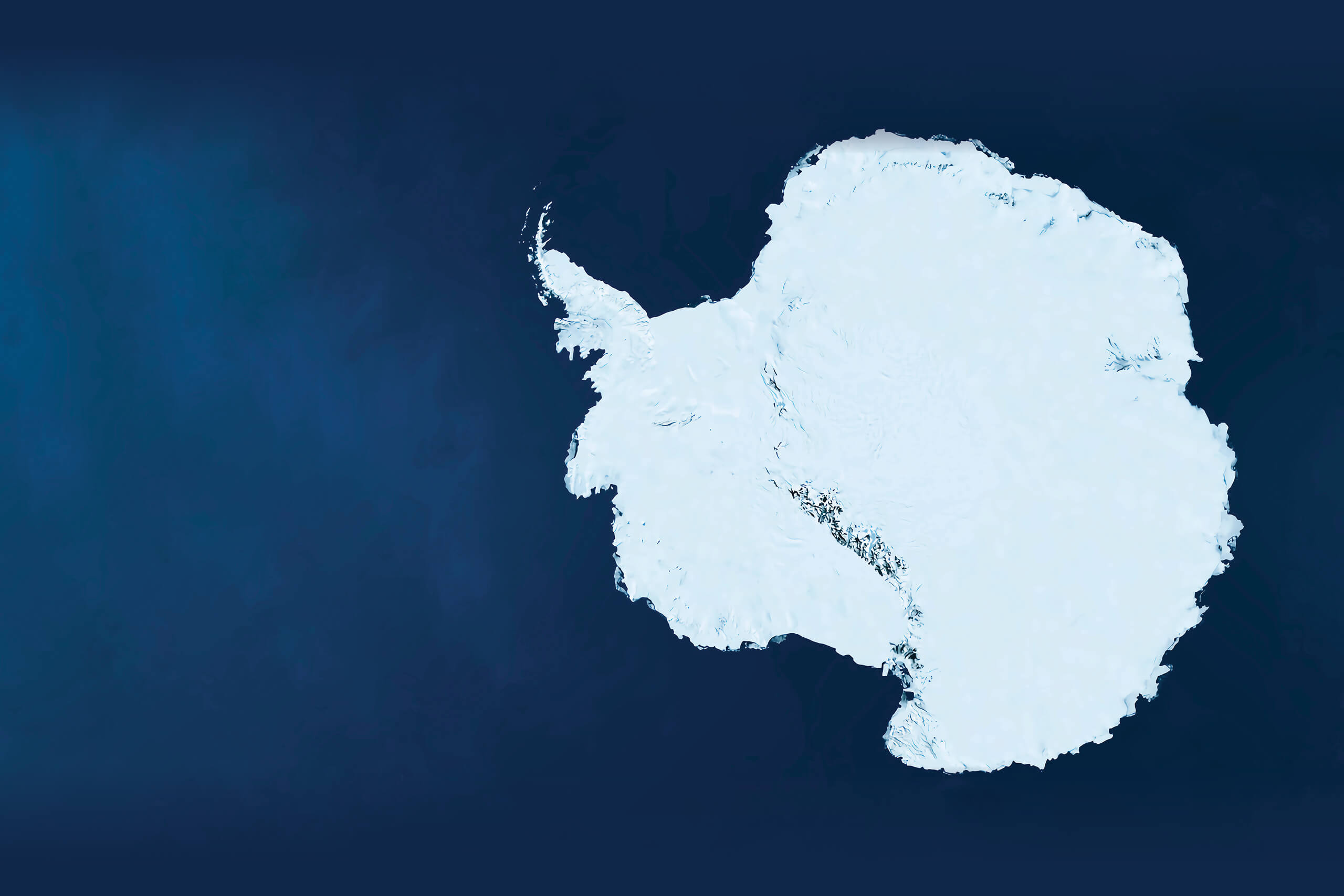
Into the white.
A story of survival and logistics.
Behind every Antarctic expedition lies a story of movement, preparation, and resilience. Travel to the far south is only the first part of the challenge. Establishing safe and effective field operations in one of the most unpredictable environments on Earth demands careful logistics and human adaptability.
These stories offer a glimpse into what it takes not only to conduct research in Antarctica, but to live and work safely in conditions that push both people and technology to their limits.
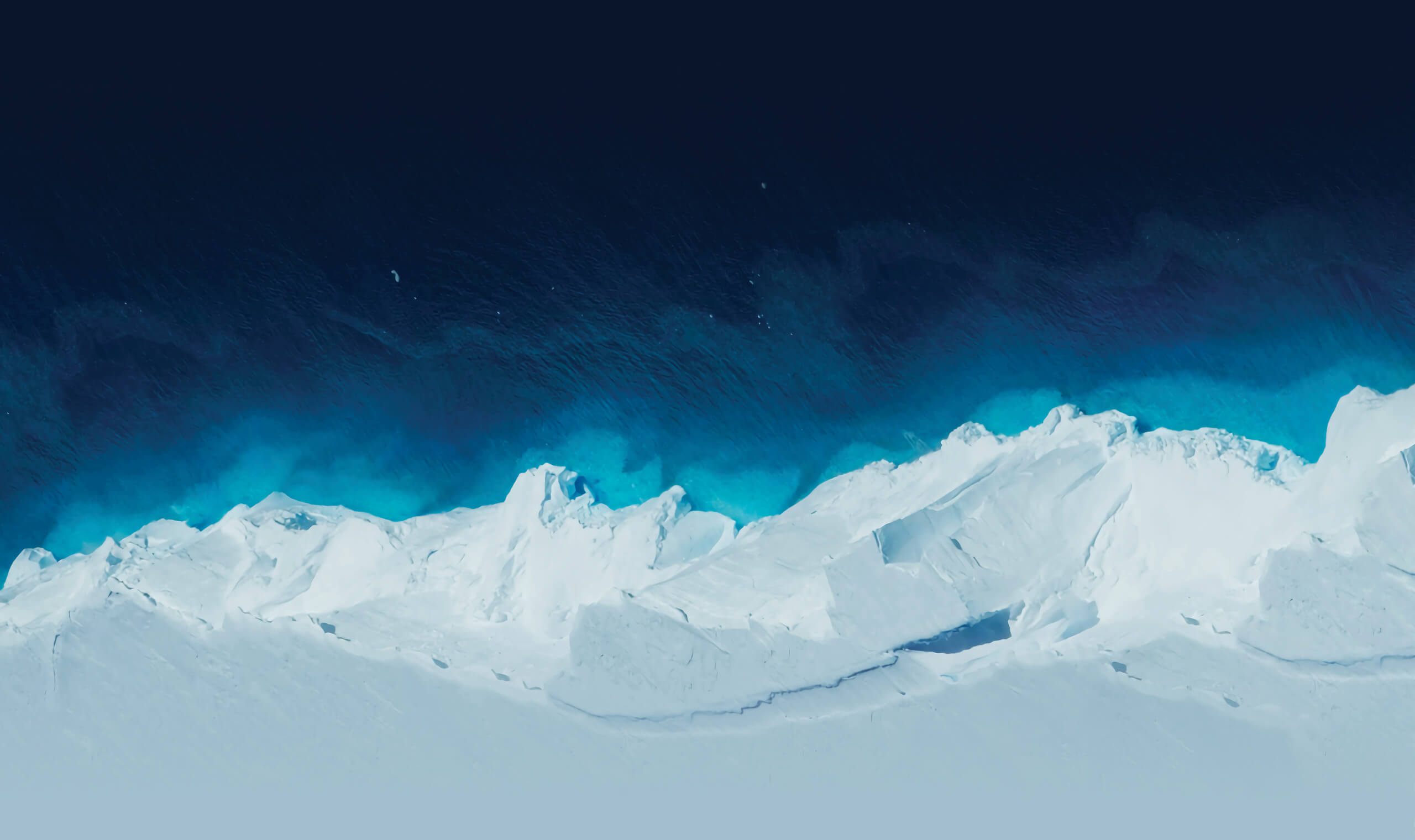
Pioneering research in the world’s harshest environment.
Antarctica is one of the most challenging places on Earth to conduct research, yet its influence extends far beyond the frozen continent. Antarctica and the surrounding Southern Ocean help shape global ocean circulation, climate, and sea level, while supporting marine ecosystems far beyond Antarctic waters.
Research spans field programs on the ice, subsurface investigations beneath floating ice shelves, and demanding voyages across the Southern Ocean. Across all of these settings, Antarctic science depends on innovation, teamwork, and determination. Each expedition reflects the ingenuity and commitment needed to pursue knowledge in an environment where every observation is hard won, and each discovery adds to our understanding of a rapidly changing polar world.
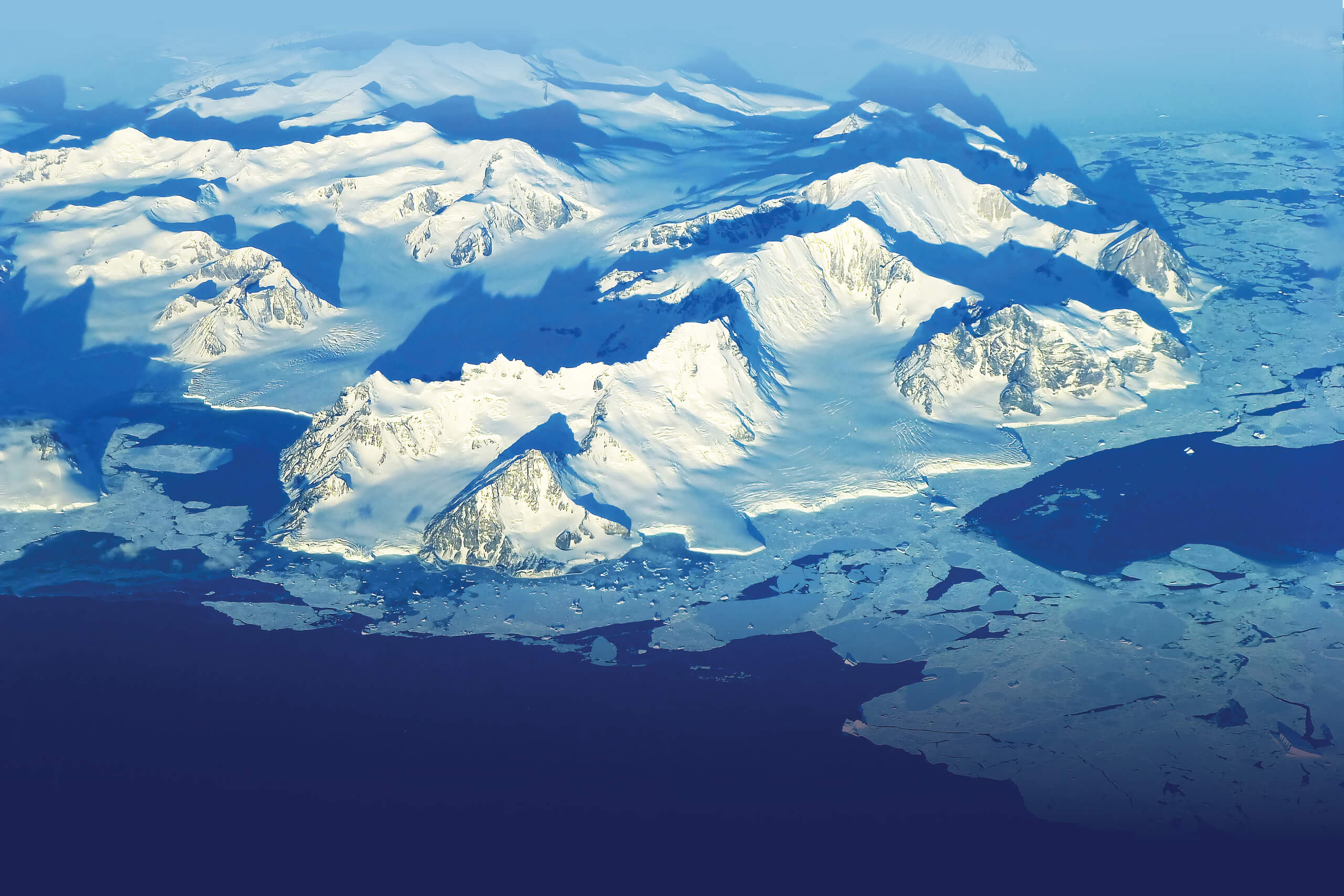
Beneath the ice.
Mapping the hidden continent.
Beneath Antarctica’s floating sea ice and ice shelves lies one of the least visible parts of our planet. Satellites can reveal the surface above, and research vessels can map open water, but neither can easily see into the hidden spaces beneath the ice. Exploring these unseen environments depends on specialised technologies designed to sense, map, and measure remotely in places that ships and satellites cannot reach.
Seamap Antarctica brings these disparate observations together to help map the seafloor, track ocean conditions, and reveal how ice, ocean, and marine life interact beneath the frozen edge of the continent.
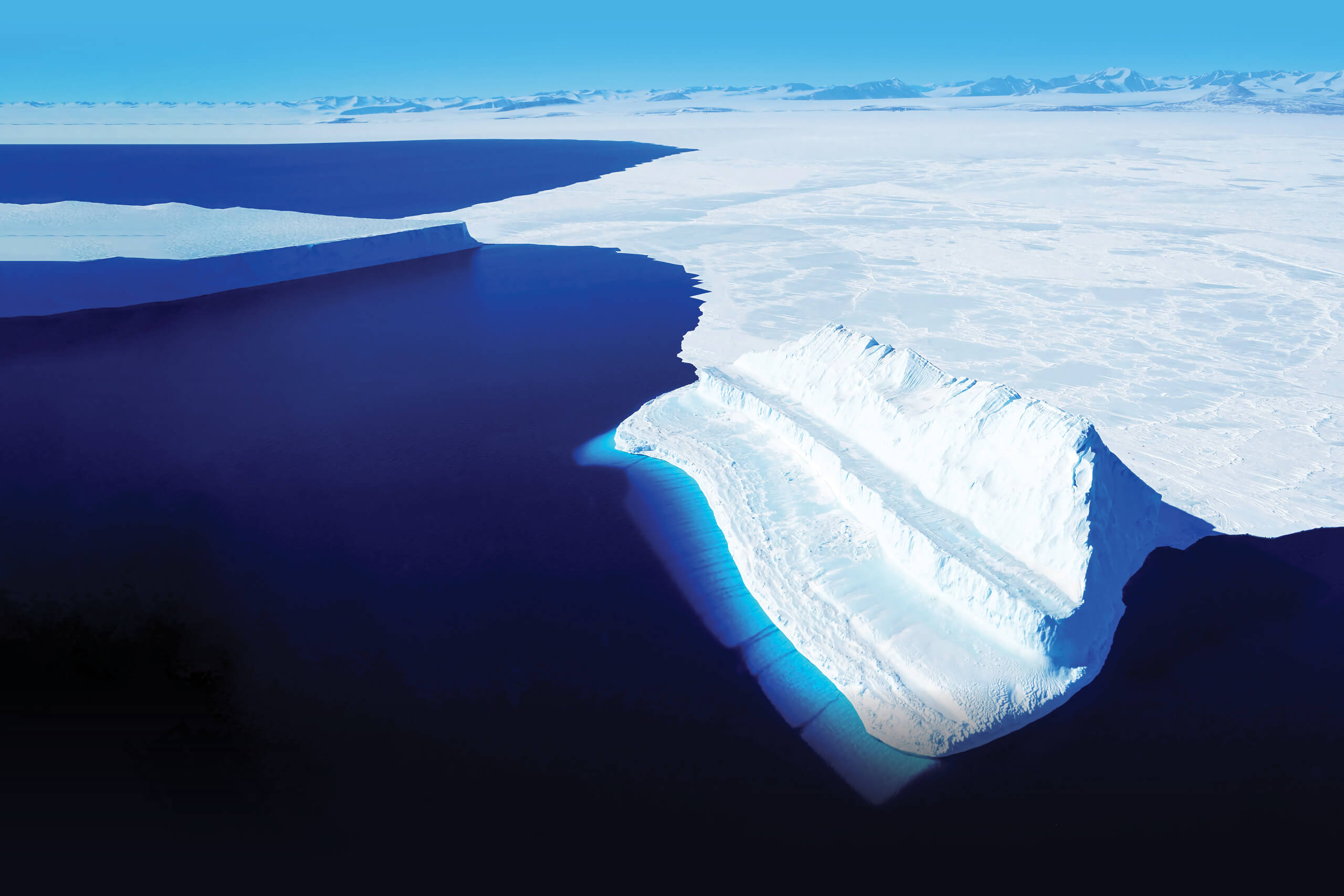
Hidden Antarctica.
Exploring another world in depth.
Descending through Antarctic waters is like entering another world. As light disappears and pressure builds, the ocean shifts from a bright, dynamic surface to an oppressive, near-freezing realm below. In the darkness below, habitats, animals and ecosystems have been shaped by millennia of cold, depth and isolation. Life here has evolved in extraordinary ways to survive and thrive.
This journey through the water column to the seafloor offers a rare glimpse into one of Earth’s last great hidden worlds.
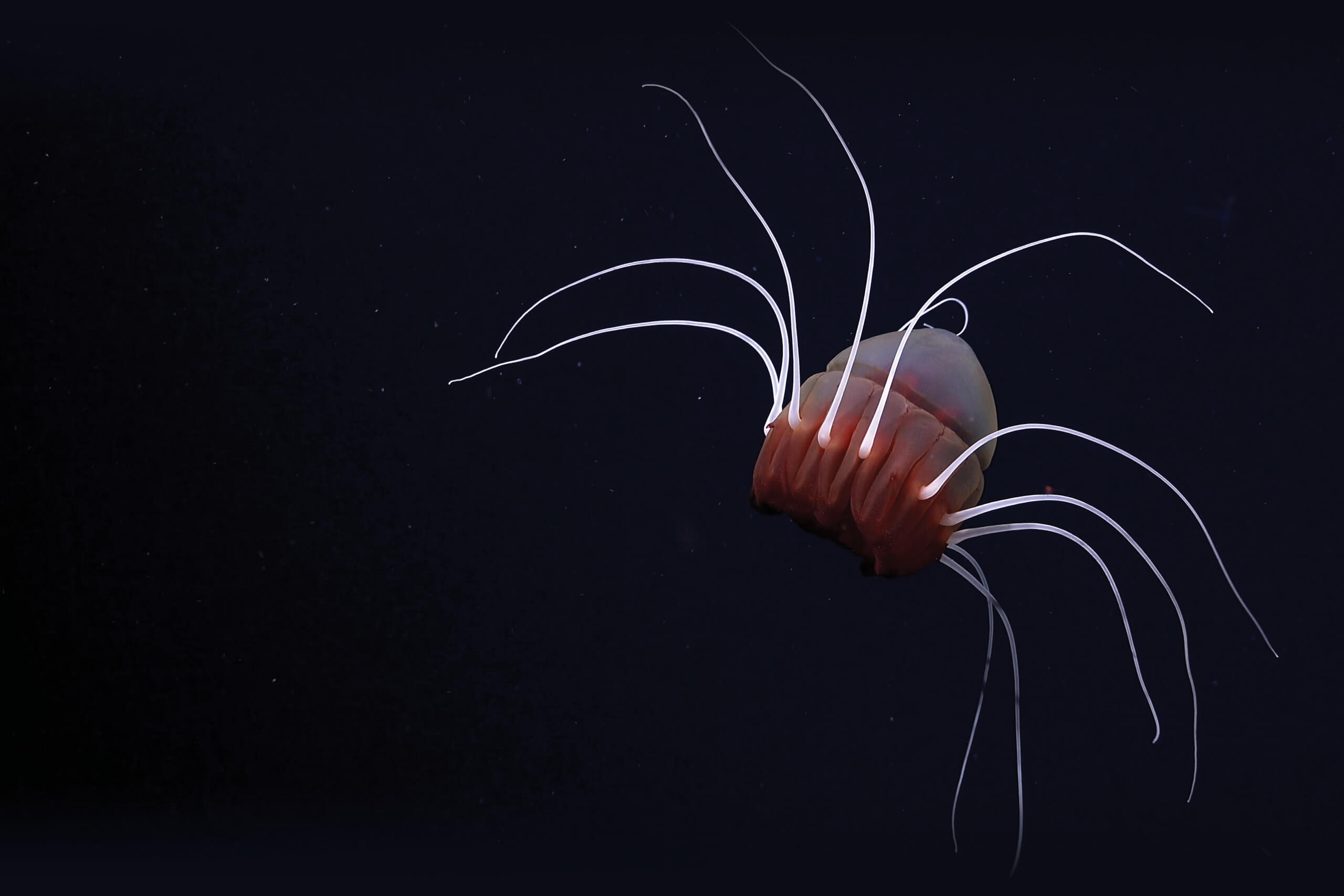
Meet the locals.
Antarctic waters are home to a strange and remarkable cast of life, adapted to survive in one of the coldest and most extreme marine environments on Earth. From tiny drifting plankton and seafloor-nesting icefish, to colourful corals, vast fields of sea stars, and deep-sea scavengers, Antarctic species have evolved extraordinary ways of living.
Their world is shaped by cold, pressure, long periods of scarcity, and brief pulses of food. Ice at the surface plays a defining role, influencing light, productivity, and the stability of the conditions below. Meet the locals and discover how life survives and thrives in this extraordinary realm.