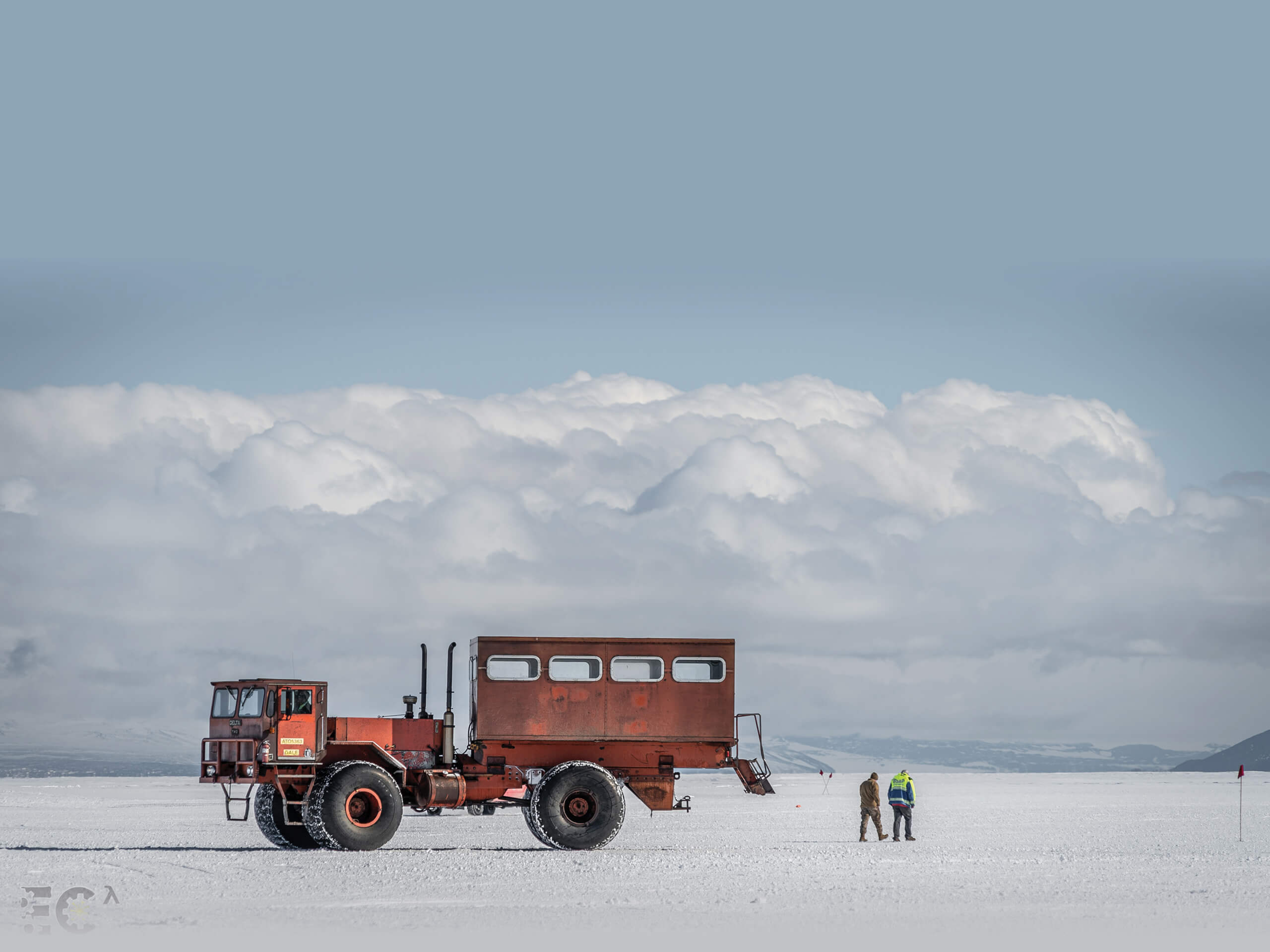
Reaching Antarctica is only the first step
Once on the continent, scientists must operate in one of the most demanding environments on Earth. Weather, terrain and distance shape every aspect of research, from how people travel to how instruments are deployed.
Field teams must be able to move safely across ice and ocean, establish temporary research sites, and work in conditions where help may be hours or days away.
Practical realities of research shape how Antarctic science is conducted:
- Travelling long distances across ice, snow and sea
- Establishing temporary field camps
- Deploying scientific instruments
- Operating safely in extreme conditions
Much of what we know about Antarctica’s marine environment, from seafloor landscapes to ocean ecosystems, has been collected during expeditions like these.
Explore how scientists work in the field.
CHOOSE YOUR PATH
Survival
Operating safely in extreme conditions is important. Extreme cold, isolation and rapidly changing weather mean that safety planning, self-reliance and specialised equipment are essential.
Getting around
Scientists move across Antarctica using specialised vehicles, aircraft and small boats adapted for ice, snow and open water.
Field camps
Sometimes it’s more than a day trip. Temporary camps allow small research teams to work in remote locations far from permanent stations.