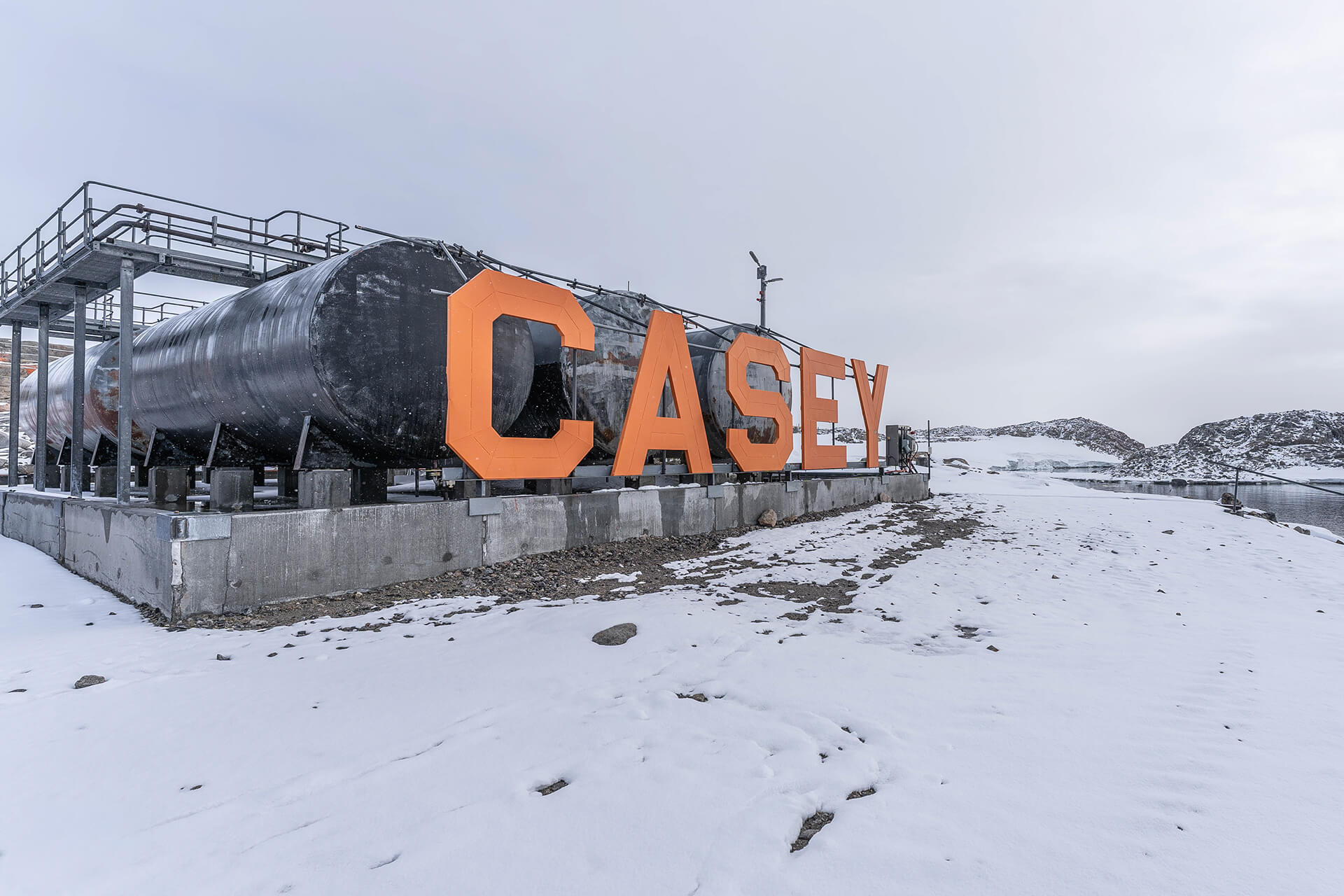
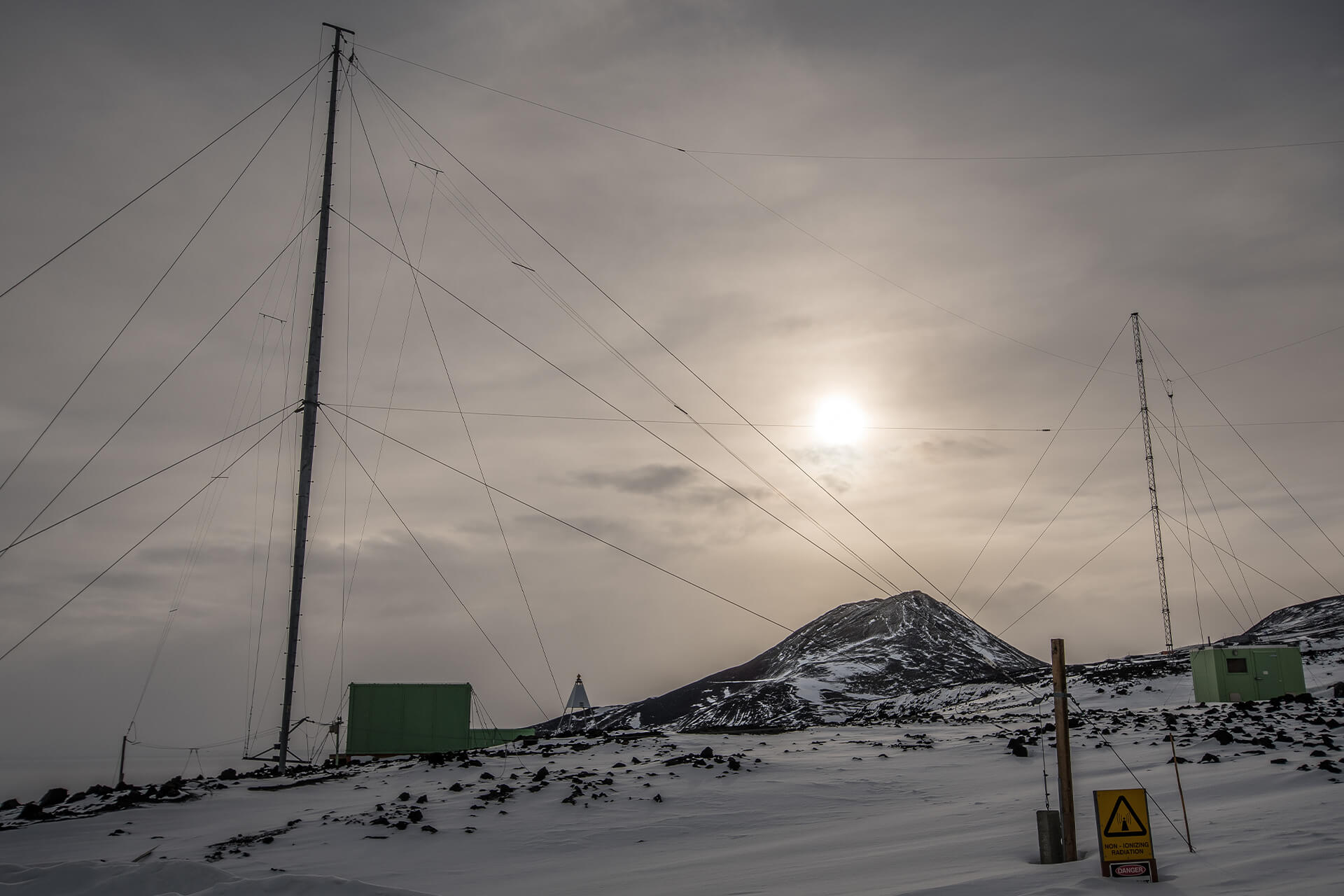
After travelling by ship or aircraft, most Antarctic expeditions begin at a research station.
For many expeditioners, this is the moment when Antarctica shifts from a distant idea to place where daily work and life begin.
From the air or sea, stations appear as small clusters of buildings set against a vast landscape of ice, rock and ocean.
On arrival, cargo and equipment are unloaded, sorted and transported to storage areas, while new personnel are introduced to station procedures and facilities. Before work begins, all personnel complete safety briefings and orientation procedures. These cover everything from environmental conditions to emergency protocols, ensuring that everyone understands how to operate safely in one of the most remote environments on Earth.
Life on an Antarctic Station
Antarctic stations are both workplaces and homes. Personnel on base form small, highly interdependent communities made up of scientists and a wire range of support staff, including engineers, mechanics, tradespeople, IT staff, chefs, and medical personnel.
Daily life depends on cooperation. Research activities are only possible because station teams maintain power, transport, communications, buildings, equipment, food, water, and health services.
Living spaces are designed to provide, warmth, shelter and a sense of normality in an otherwise extreme environment. Shared dining areas, recreation rooms and communal spaces are important parts of station life, especially during long periods of confinement and isolation.
Summer and Winter on Base
The size and activity level of Antarctic stations varies dramatically throughout the year.
In summer, stations are at their busiest. Large numbers of scientist and support staff may be on site, field projects are underway, and ships and aircraft arrive regularly with cargo, fuel, and personnel.
In winter, stations become far more isolated. Station populations are reduced, and aircraft and vessel operations may be limited or cease entirely for long periods. The remaining team must keep the station running, maintain equipment and infrastructure, support ongoing scientific observations, and manage daily operations through months without external resupply.
Light, Darkness and Isolation
Antarctica’s seasonal light cycle has a profound impact on life at research stations.
In summer, the sun may remain above the horizon for 24 hours a day. In winter, stations may experience months of continuous darkness.
These conditions effect daily routines, sleep patterns, and mental wellbeing. Combined with harsh weather and extended time indoors, they can make even ordinary routines feel mentally demanding.
Maintaining wellbeing is an essential part of station life. Structured daily schedules, controlled indoor lighting, shared meals and recreation all help create rhythm and stability during long periods of isolation.
Even in a well-equipped station, the Antarctic environment continues to shape life on base.
Infrastructure and Station Operations
Antarctic research stations are complex, self-contained systems designed to operate in extreme isolation. Everything required to support life and research must be generated, stored, or managed on site.
Buildings are heavily insulated and designed to retain heat, withstand severe weather and operate efficiently. Power is typically produced using diesel generators, with fuel stored and handled under strict controls. Water is produced by melting snow or through desalination systems, and waste is managed in accordance with strict environmental regulations.
Many stations also support a wide range of ongoing scientific monitoring. This includes meteorological, ocean, ice, ecosystem and environmental observations made year-round from base. These systems allow stations to function as both living quarters and working hubs in one of the most remote environments on Earth.
Station Safety and Emergency Planning
In Antarctica, evacuation may be impossible for extended periods. Stations must be prepared to respond to emergencies without external support.
Fire is one of the greatest dangers on station. In a place where warmth, power and shelter are essential to survival, even a small fire can become a major emergency. Fire safety is woven into daily life through strict procedures, emergency equipment and regular training.
Medical care is equally important, and stations must be equipped to manage illness and injury on site. Antarctic programs reduce this risk through careful medical screening and staff selection before deployment, especially for overwintering personnel.
CONTINUE YOUR PATH
Launch into the field
Research stations are the gateway to field activities across Antarctica.
From here, teams prepare vehicles, aircraft, equipment and supplies before heading out far beyond the station.