Many Antarctic expeditions begin with a long voyage across the Southern Ocean.
Ships are a vital link to Antarctica, carrying the people, equipment and cargo needed to support research stations, while also serving as research platforms at sea.
Research vessels carry scientists, equipment, and supplies from ports in Australia, New Zealand, South America, and South Africa to the Antarctic coast. These voyages can take days or weeks, crossing thousands of kilometres of treacherous open ocean.
For many expeditioners, the first sight of Antarctica comes from the deck of a ship: icebergs emerge on the horizon, followed by the faint white line of the continent, and finally the vast, ice-covered coastline rising from the sea.
Preparing for the Voyage
Before departure, expedition teams spend days preparing equipment, supplies and cargo for the journey south.
Equipment, food, fuel and vehicles are loaded and secured, and scientific instruments are packed for work at sea and on land. are loaded and secured. Safety briefings prepare both crew and researchers for work in a remote and unpredictable environment.
Unlike typical passenger travel, Antarctic research voyages have very limited and costly resupply options. Everything required for the mission must be carried south with the vessel.
Antarctic Research Vessels
Ships operating in Antarctic waters are specially designed for polar conditions.
Built to ice-strengthened or icebreaking standards, vessels are classified according to how well they can operate in sea ice. Higher ice-class vessels can travel through thicker and more compact ice, allowing access to areas that would otherwise be difficult or impossible to reach.
These vessels carry laboratories, accommodation and specialised equipment, allowing scientists to live and work at sea for extended periods. A research vessel is both a means of transport and a scientific working platform, with observations often beginning long before the ship reaches the Antarctic coast.
Crossing the Southern Ocean
Crossing the Southern Ocean is a long and physically demanding introduction to Antarctica.
The voyage can take days or even weeks, with ships travelling through some of the most powerful seas on Earth. Strong winds and heavy swells keep the vessel in constant motion. In these conditions, eating, sleeping, walking and working all become more difficult, and daily life on board is shaped by the movement and unpredictability of the ocean.
Progress is often determined as much by weather and sea state as by distance.
Science at Sea
Research often begins long before a ship reaches the Antarctic coast.
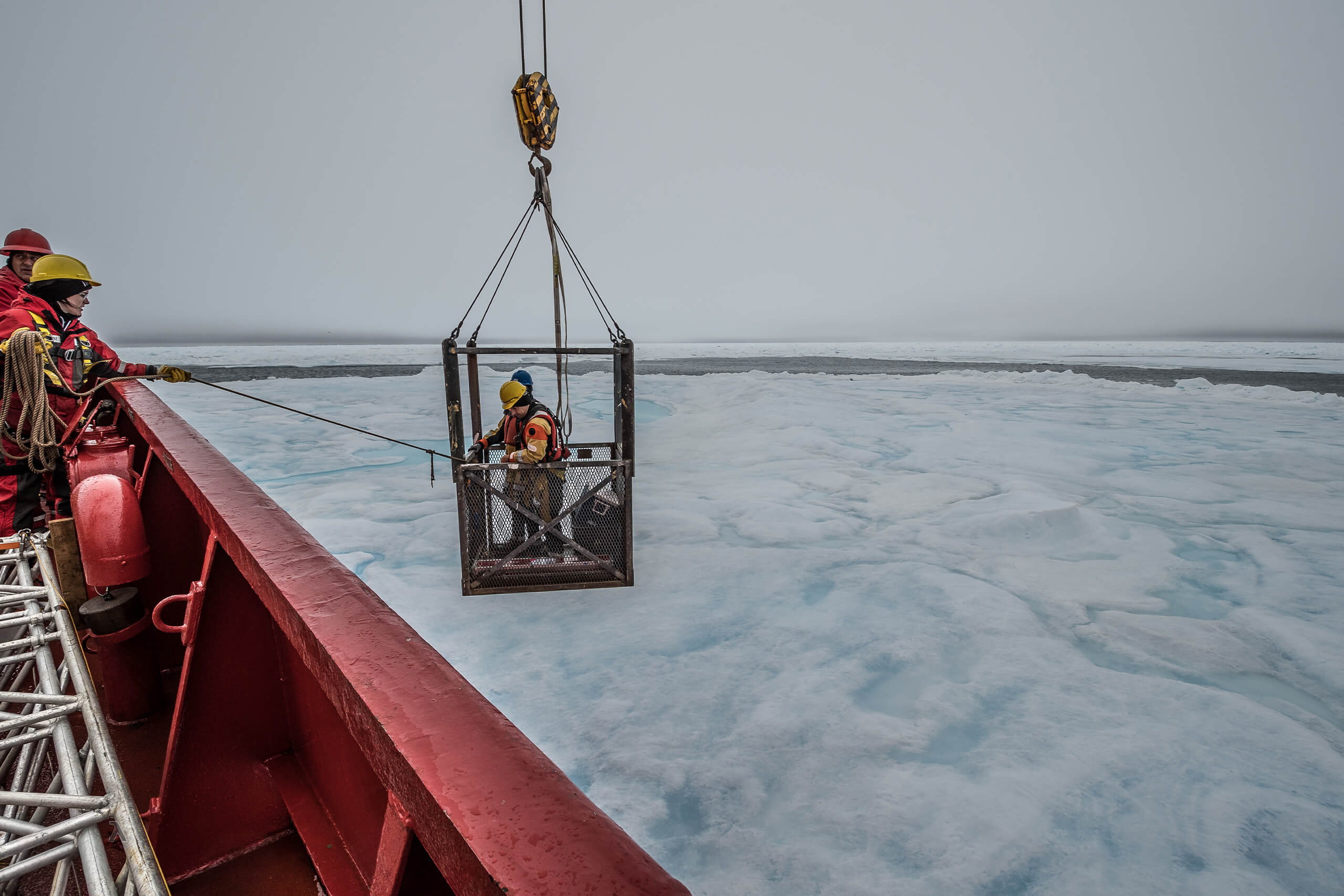
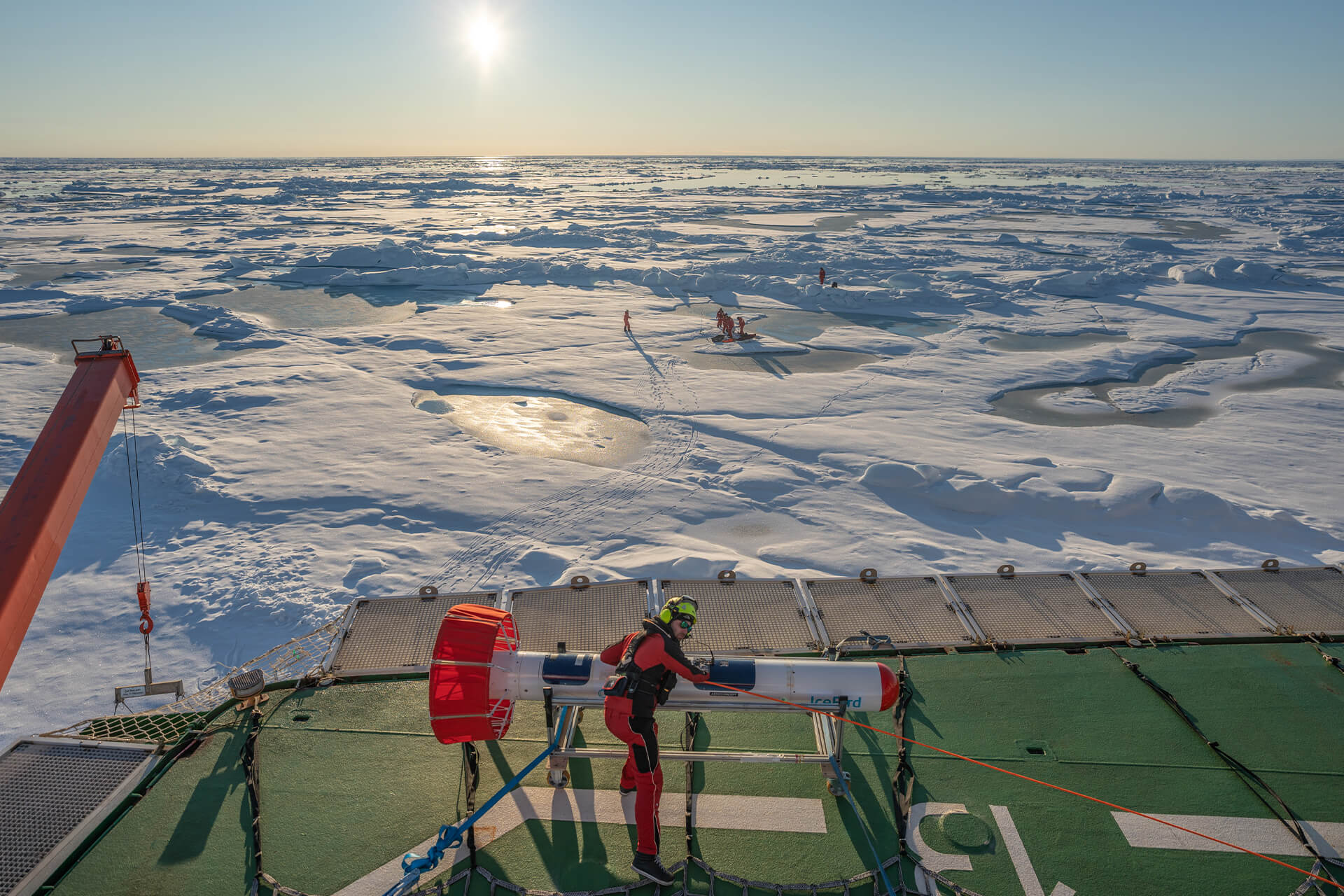
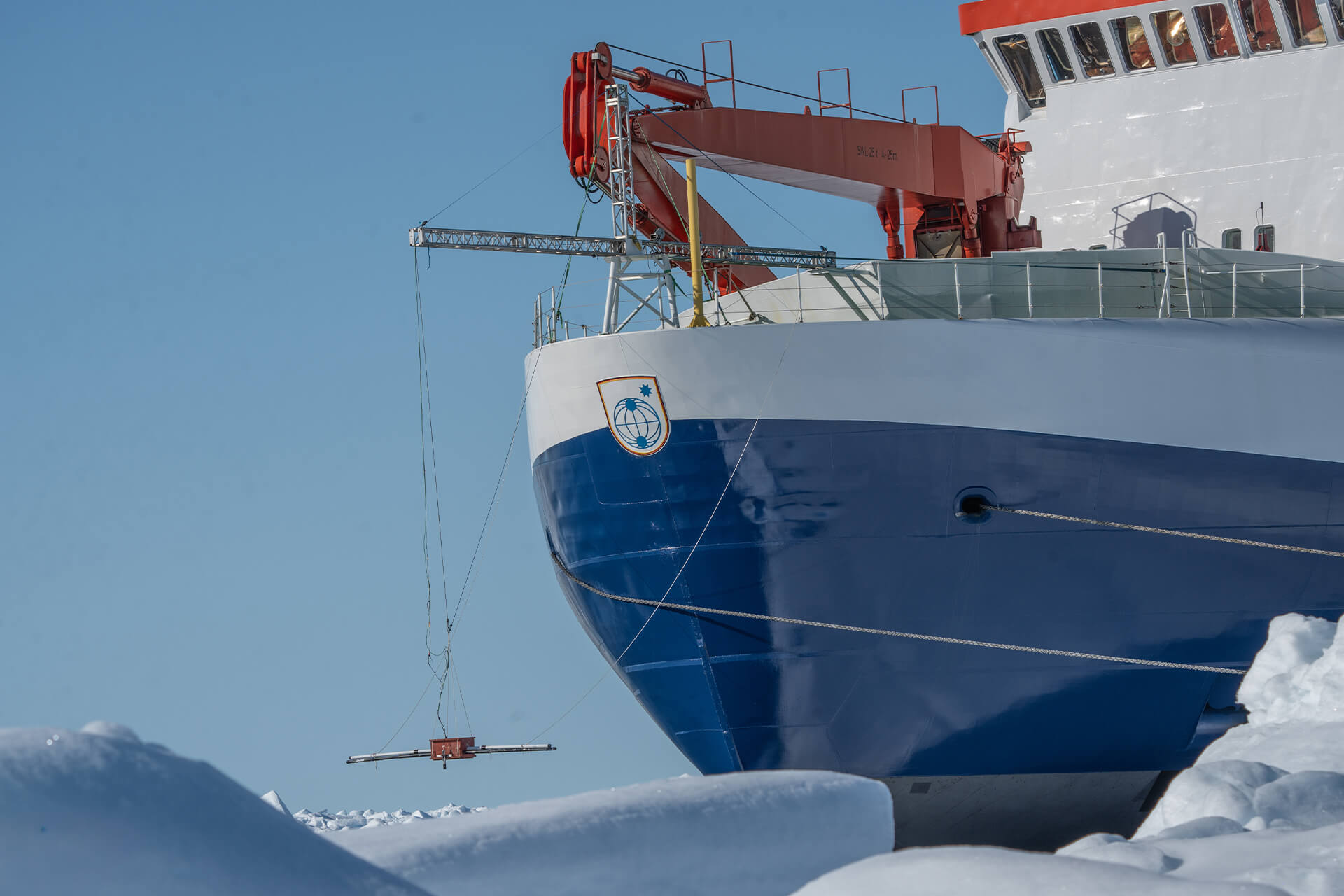
Instruments are lowered over the side using cranes and winches to measure the water column, while onboard systems continuously record atmospheric and oceanic conditions. Sensors map the seafloor beneath the vessel, and cameras may be used to record life on the seabed. On some voyages, live animals such as krill are also collected and transported for further study.
With laboratories and specialist equipment on board, a research vessel becomes a moving scientific platform, collecting data throughout the voyage.
Approaching Antarctica
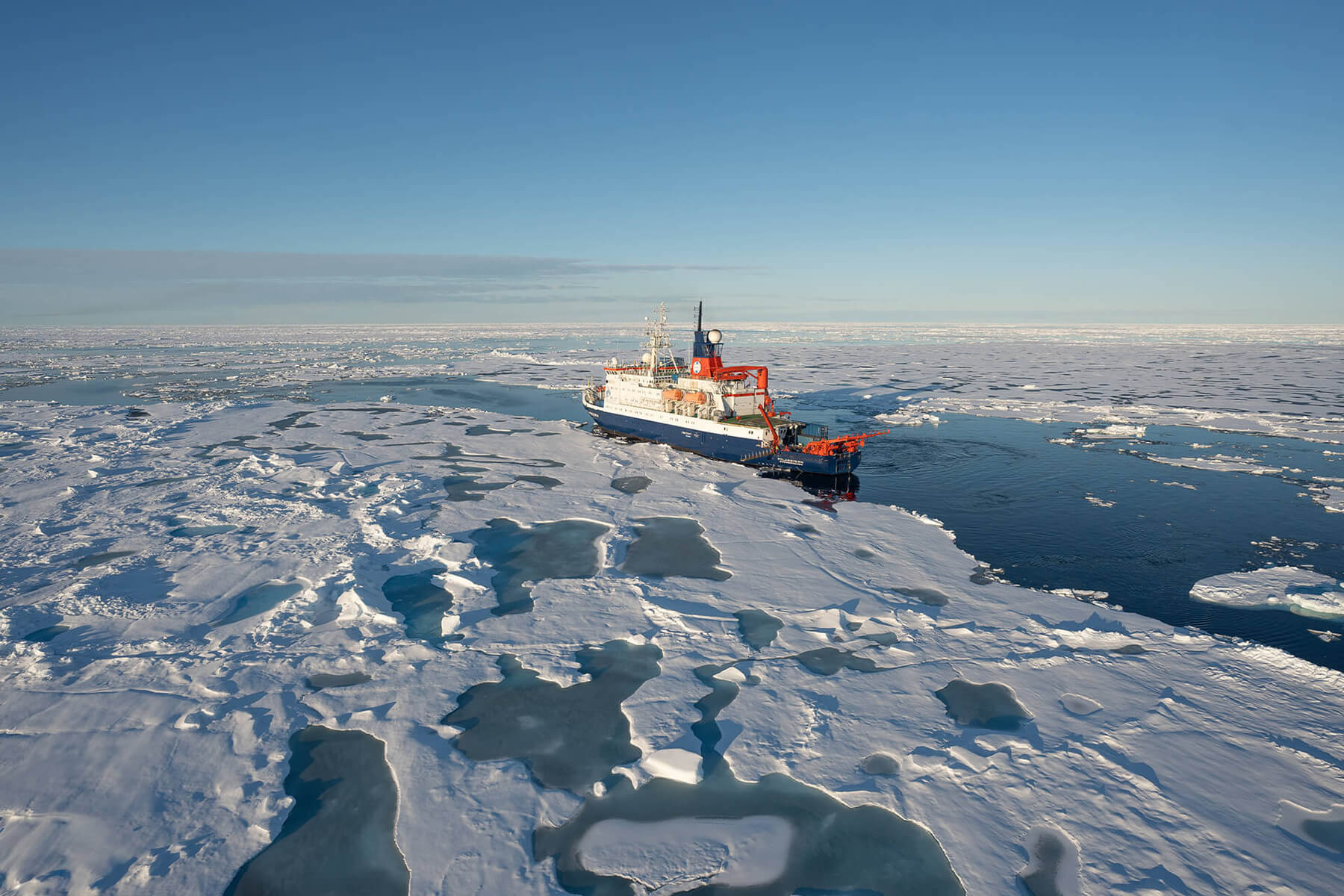
As the ship approaches Antarctica, it begins to encounter sea ice – the frozen surface of the Southern Ocean.
This sea ice forms a shifting barrier between open water and the coast, and small changes in its thickness and distribution can determine whether a vessel is able to reach its destination. Access also depends on the ship itself: ice-strengthened and icebreaking vessels differ in how well they can operate in heavy ice.
Route planning is guided by changing conditions. In some seasons, sea ice may prevent a ship from reaching its destination altogether.
Ice Edge Operations
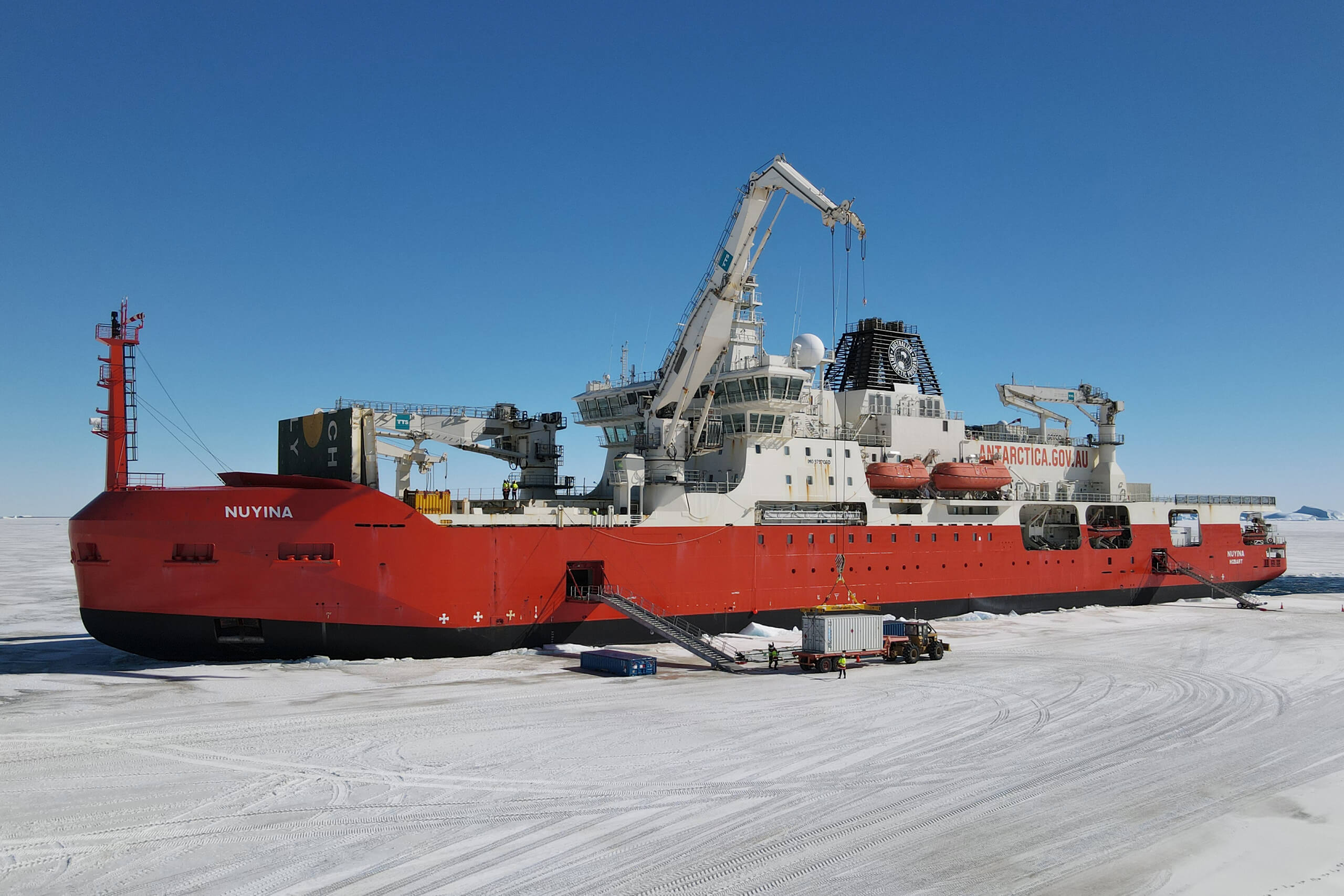
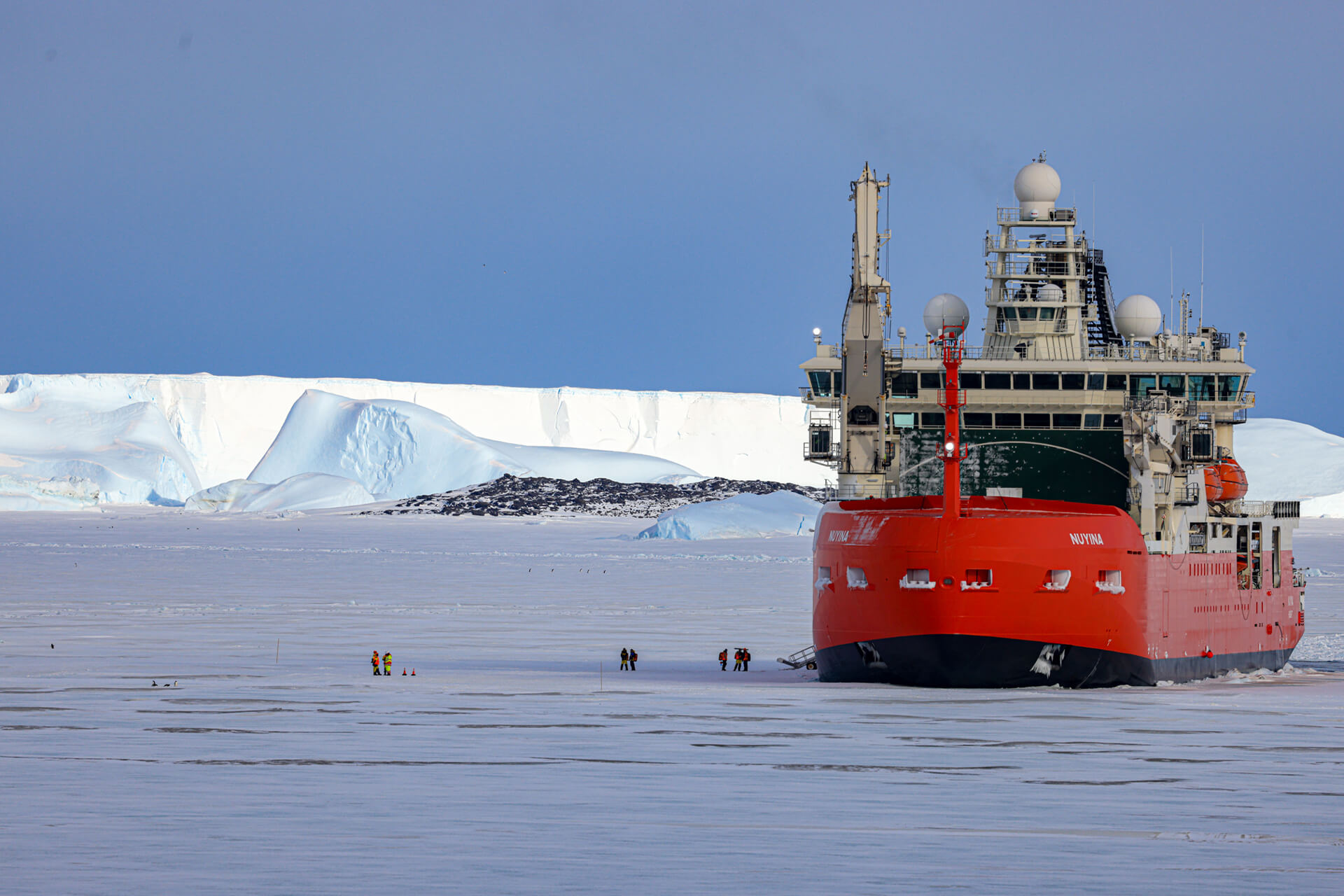
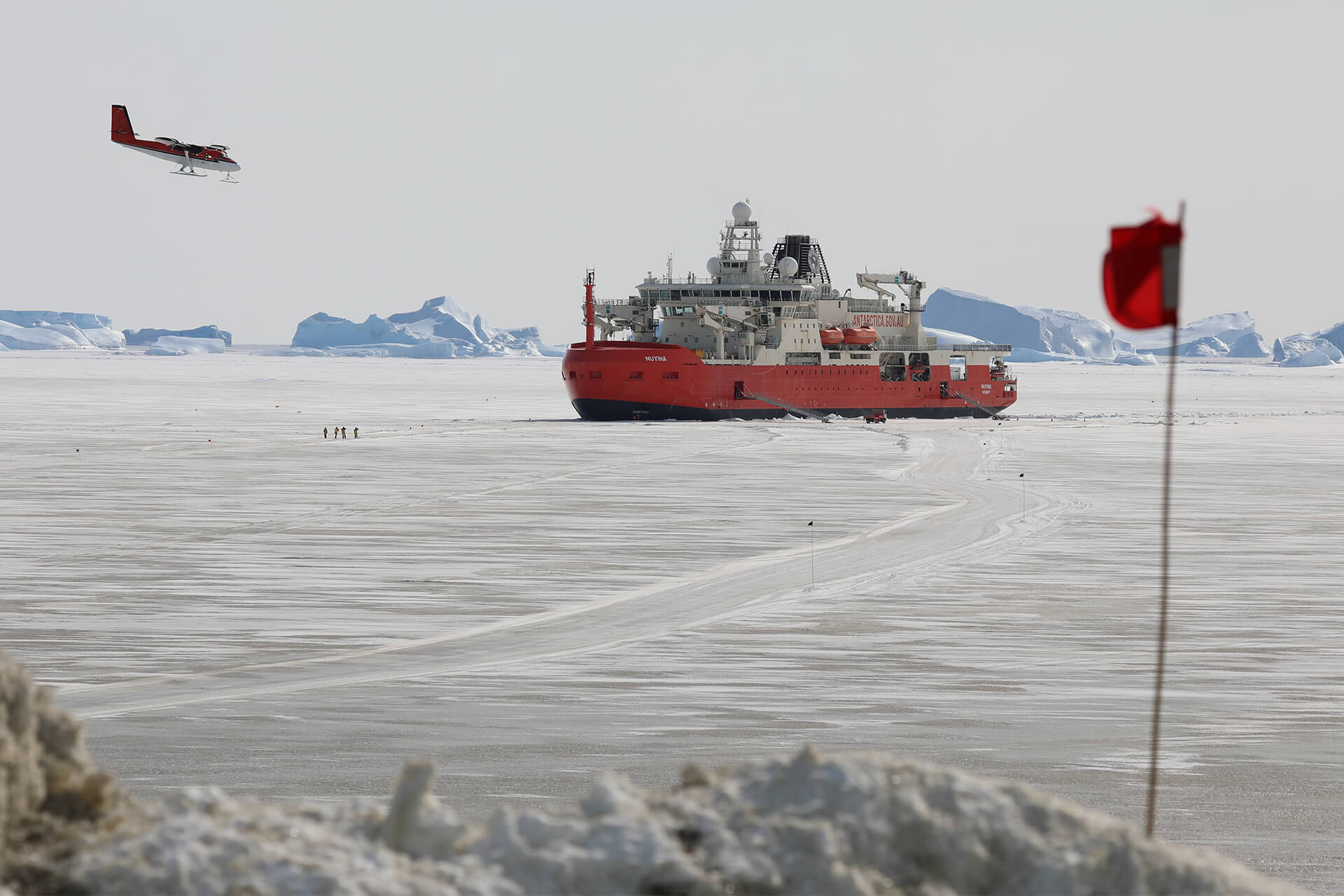
When ships are unable to reach the shoreline, they may stop at the edge of the ice, sometimes several kilometres from the coast.
From here, cargo and personnel are unloaded and transferred across ice using tracked vehicles, sleds, and sometimes helicopters. These operations depend heavily on the condition of the sea ice, which must be stable and thick enough to support the weight of vehicles and cargo. Weather plays a critical role – strong winds, low visibility or shifting ice can quickly halt operations.
Delivering Supplies
Ships play a critical role in supporting Antarctic research stations. Each year, they deliver the food, fuel, vehicles and equipment needed to keep stations running throughout the year.
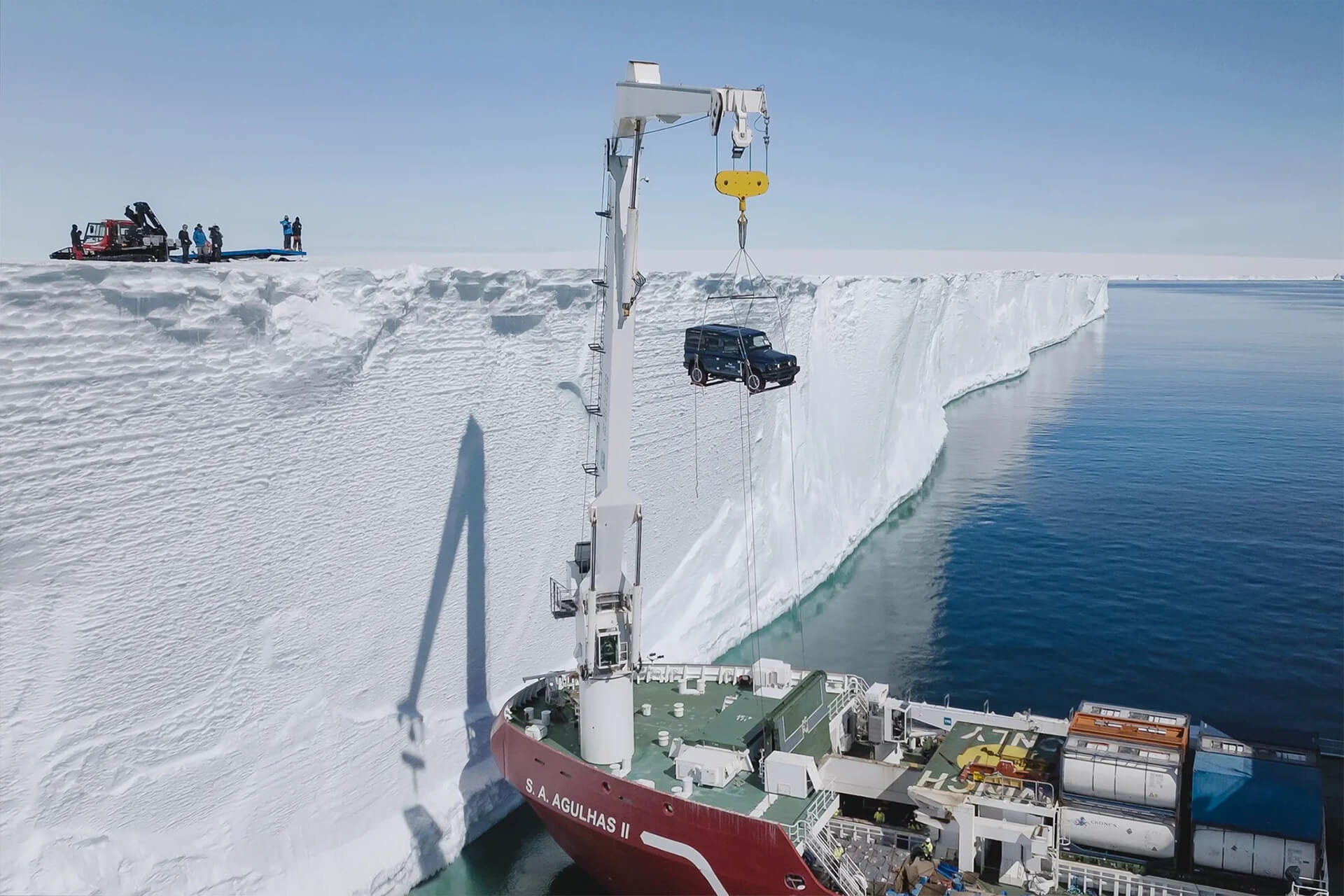
Unloading these supplies can be a complex operation, with cargo transferred directly to shore where possible, or moved by cranes, helicopters, or smaller vehicles when access is more difficult.
Fuel is one of the most important supplies, used for power generation, heating, and operating vehicles and aircraft. In some locations it is pumped directly from the vessel to shore-based storage, while in others it is carried in drums by helicopter or vehicle.
Fuel transfer from ship to shore is carefully managed to minimise environmental risk.
A Seasonal Access Window
Most ship operations in Antarctica take place during the summer months.
During this period, retreating sea ice and long daylight hours make coastal access more achievable. Even then, conditions can be unpredictable, and the timing of voyages is shaped by weather and sea ice.
Outside this seasonal window, heavier ice, harsher weather and extended darkness make access by sea far more difficult.
CONTINUE YOUR PATH
After Arrival
Once in Antarctica, scientists may transfer to research stations, or continue on to coastal field sites.
For many, this marks the beginning of life and work on the continent, as teams organise equipment and prepare for the field season ahead.