Survival

Working Safely in an Extreme Environment

Antarctica is no ordinary field office.

Extreme cold, powerful winds, hidden terrain hazards and rapidly changing weather mean that even routine activities require careful planning.

In Antarctica, safety depends as much on judgement as on equipment.

Remote Antarctic fieldwork takes place in environments where help may be hours or even days away. Antarctic programs place strong emphasis on training, preparation and clear safety procedures long before teams head into the field.

Prepared Before Departure

Survival in Antarctica begins long before a team reaches the field.

Researchers are trained to work in extreme cold, navigate remote terrain, use specialist equipment, and respond to emergencies if conditions deteriorate. This preparation may include route planning, crevasse awareness, communication protocols and rescue procedures.

In Antarctica, safety cannot be improvised. Once in the field, teams must be ready to recognise hazards early, make careful decisions, and respond calmly when conditions change.
Extreme Cold, Wind and Exposure

Cold is one of the most immediate dangers of Antarctic fieldwork.

Temperatures can fall well below freezing, particularly away from the coast. Deep-field teams may work in conditions as low as −60°C. Exposure can quickly lead to frostbite or hypothermia if clothing and precautions are inadequate. Field teams rely on layered clothing systems that trap heat while allowing moisture to escape, with insulated boots, gloves and face protection essential for long periods outdoors.

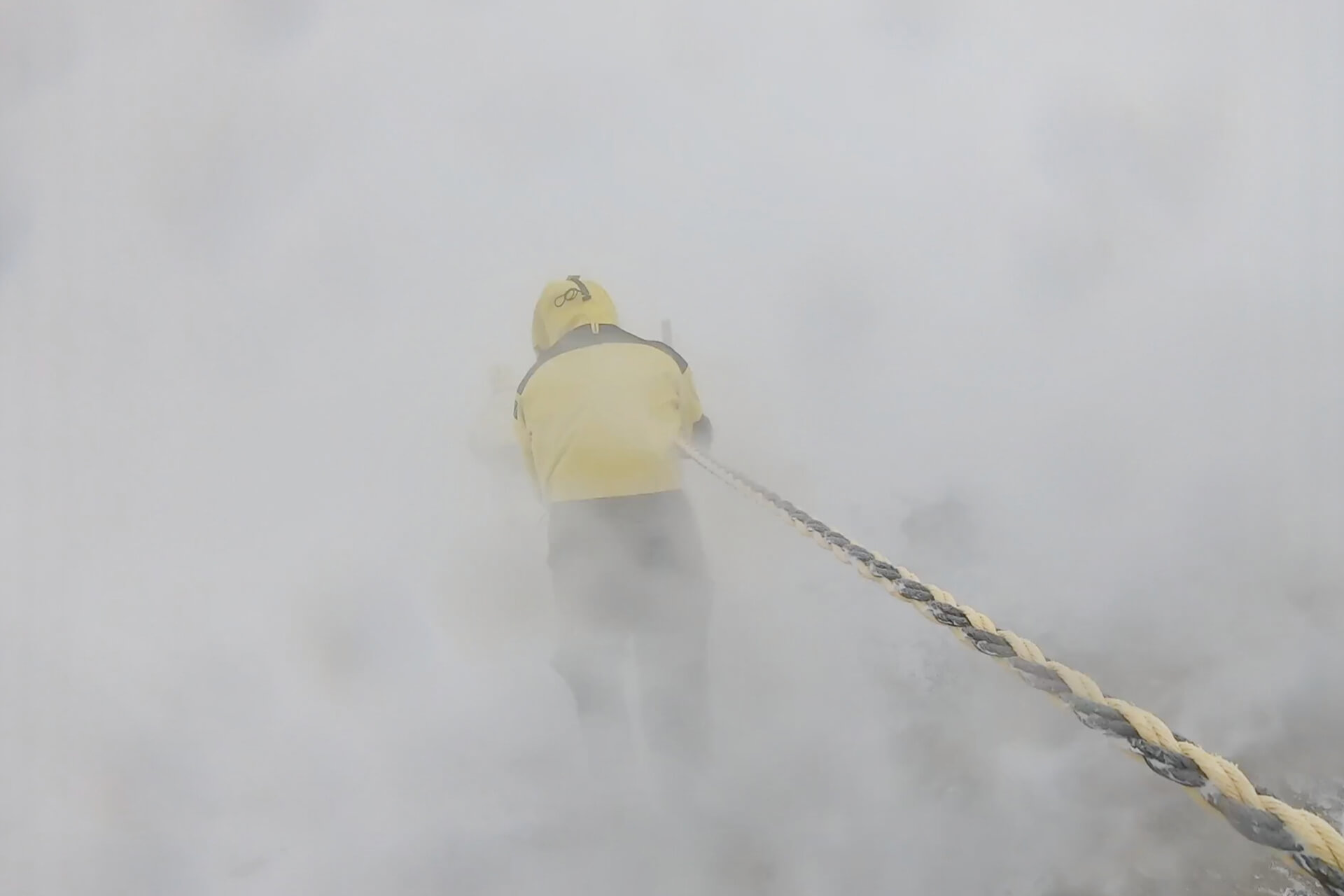
Wind makes these conditions far more dangerous. Cold, dense air flowing from the interior of the continent can accelerate down slopes toward the coast, producing powerful katabatic winds. These winds intensify cold exposure, drive snow through the air and strip away visibility, making travel or fieldwork dangerous even over short distances.

Antarctic weather can shift with very little warning. Clear conditions may give way to cloud, blowing snow or high winds, and teams must constantly assess conditions, ready to delay or abandon travel when the environment closes in.

Isolation and Self-Reliance

Distance is one of the defining risks of Antarctic fieldwork.

Many teams operate far from permanent stations or ships, in places where help may take hours or even days to arrive. In these conditions, small problems can become serious very quickly.

Preparation is the strongest defence against isolation.

Field teams carry emergency supplies, communications equipment and survival shelters in case travel is delayed or conditions deteriorate. Safety depends not only on preparation, but on the ability to stay calm, think clearly and respond well when conditions force a change of plan.

Hidden Hazards

Not every danger in Antarctica is visible.

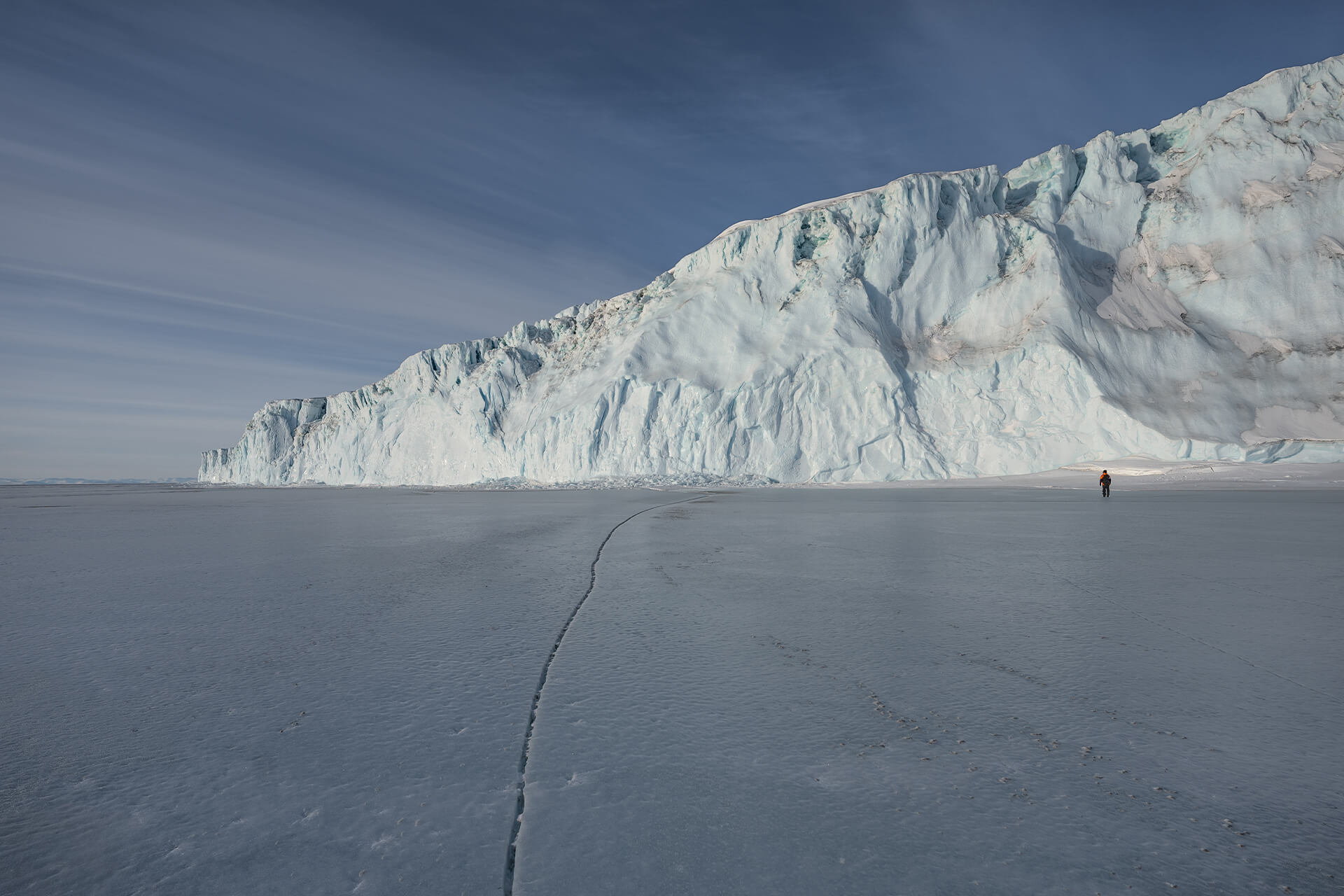
Glaciers and ice sheets may contain deep crevasses hidden beneath snow bridges, creating surfaces that appear solid but may be dangerously thin. Surface appearances cannot always be trusted.

Safe travel across this terrain depends on careful assessment.

Field teams may use probes, radar equipment or established route-marking systems to detect hidden hazards before moving through an area. In higher-risk terrain, ropes and other safety procedures are used to reduce the consequences of a fall.

Wildlife at Close Quarters

Wildlife encounters may be memorable, but they are not without risk.

In coastal areas and around sea ice, researchers may work near penguin colonies, seabird nesting sites or seal haul-out areas, where animals can be curious, defensive or unpredictable at close range.

Distance and awareness matter.

Field teams are trained to move carefully around wildlife, avoid blocking paths to the sea, and recognise when an animal is stressed or likely to react. These precautions protect both the animals and the people working near them.

When Plans Change

Fieldwork in Antarctica depends on more than equipment and procedures.

Survival is built on constant awareness, careful judgement and the discipline to slow down, turn back or wait when conditions demand it. In such a remote and exposed environment, safety often comes down to a series of small decisions, well made.

CONTINUE YOUR PATH

Time to get out there

With field safety in place, it’s time to decide how teams will move around the continent.

Discover how expeditioners travel by air, water and overland to reach remote research sites.